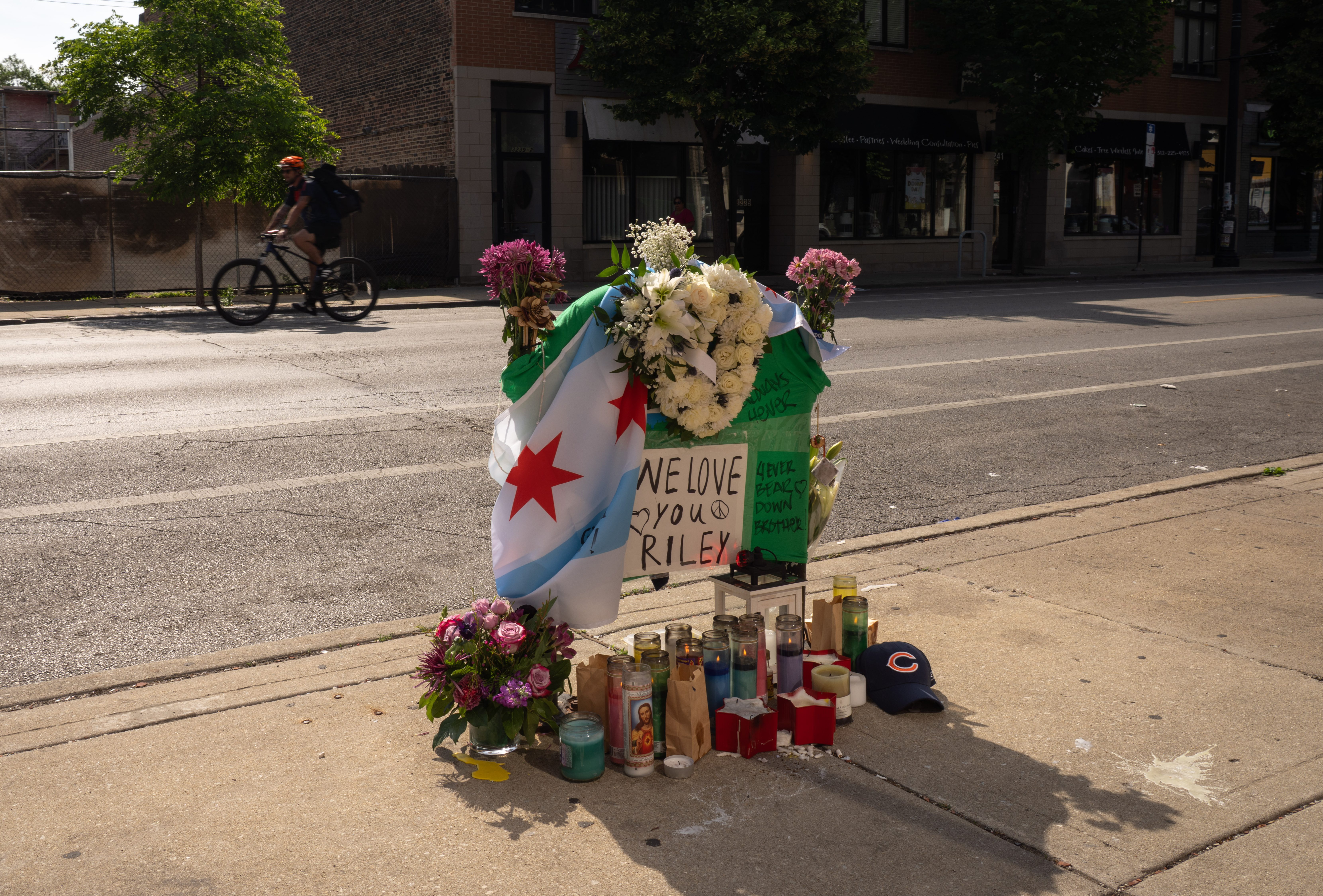
On a stretch of Halsted Street in Bridgeport, bicyclists and cars travel alongside each other, separated only by paint on the street.
There is no protective infrastructure like concrete blocks, or even plastic posts, and bicyclists often travel in a narrow strip of street between lines of parked cars and traffic.
It’s on that stretch of Halsted where city transportation planner Riley O’Neil died in a traffic crash on June 5.
O’Neil was biking south that Friday afternoon when someone opened a car door into his path, according to a witness and police source who spoke to the Tribune that day. O’Neil swerved to avoid the door, but still made contact with it and was thrown to the street, sources said, where the driver of a semitruck ran him over.
Police issued citations to a man on the scene, but no one was taken into custody. Court documents reviewed by the Tribune show the man who allegedly opened the door into O’Neil’s path has a history of traffic infractions.

O’Neil died at 35.
Unlike the other cyclists and pedestrians killed in traffic crashes in Chicago this year, he was a city servant who devoted much of his career to bike safety and infrastructure. O’Neil worked as a planner and project manager at Chicago’s Transportation Department, where he was a member of the team devoted to making city streets safer and preventing traffic crashes.
In large part because of the nature of his work, O’Neil’s death has garnered more attention than many other traffic deaths in Chicago. Bike safety advocates say his death, like so many others, was a preventable tragedy and the result of a series of political decisions that make Chicago’s streets unsafe.
The Cook County public defender’s office, which has represented the man cited in other cases, also joined calls for change and said that infrastructure improvements could have prevented the tragedy from happening in the first place. The Tribune was not able to reach the man directly.
“We understand the frustration and pain of the city’s cycling community, who for years have demanded traffic safety improvements of the type that would prevent this tragedy,” spokesperson Matthew Hendrickson said. “Infrastructure investments to improve traffic safety for all road users are a much more effective way to prevent further loss of life than seeking increased criminalization or maximum punishment in any individual case.”
O’Neil’s death has reignited conversations about bike safety and infrastructure in Bridgeport and across Chicago. Through April this year, 14 pedestrians, cyclists and motorized scooter users were killed in traffic crashes in Chicago, according to city data.
“I think that having a protected bike lane in this area is really important,” said Travis Curtis, a doctor who gave O’Neil CPR at the scene of the crash. Curtis had just gotten off his own bike when he witnessed the collision. “I think that if there was one, this tragedy would have been avoided,” he said.
Efforts to construct protected bike lanes elsewhere in Chicago, including in the neighboring 12th Ward, have sparked organized pushback from opponents. One common complaint is a loss of car parking. Bike advocates frequently express frustration at a dynamic they say prioritizes parking spaces over lives.
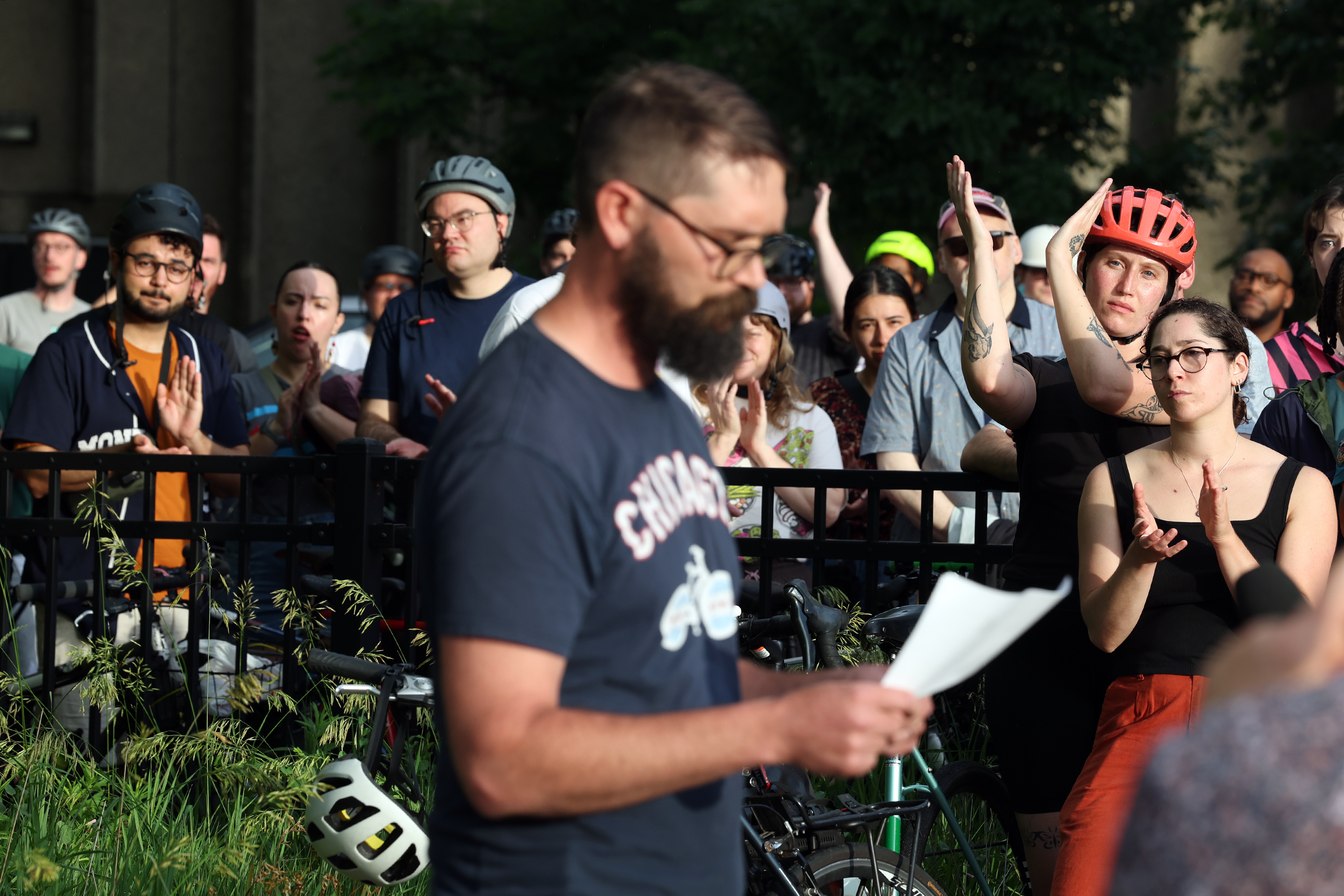
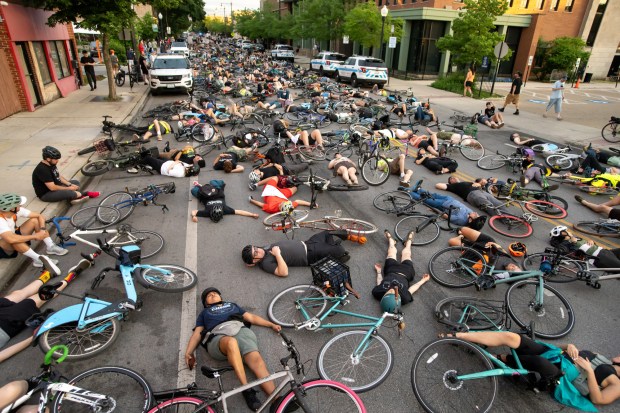
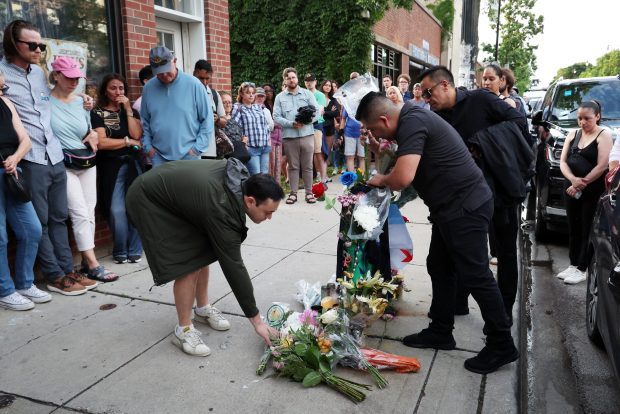
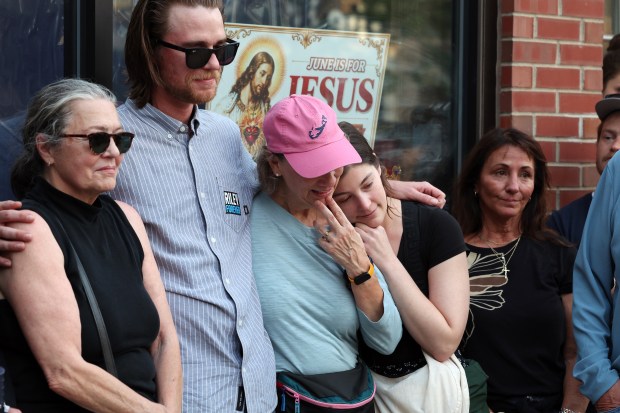
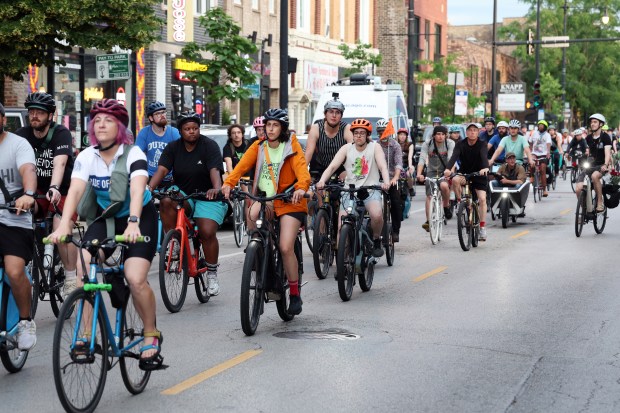
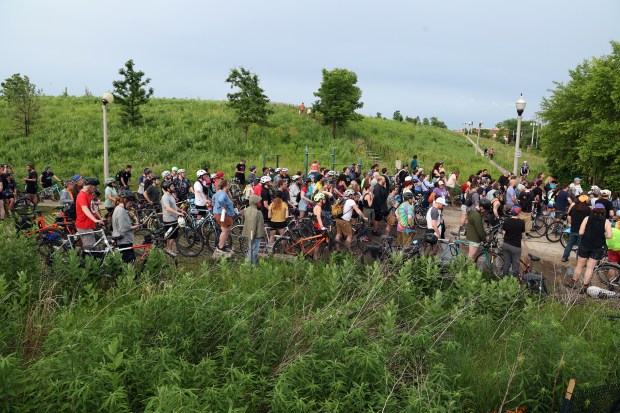
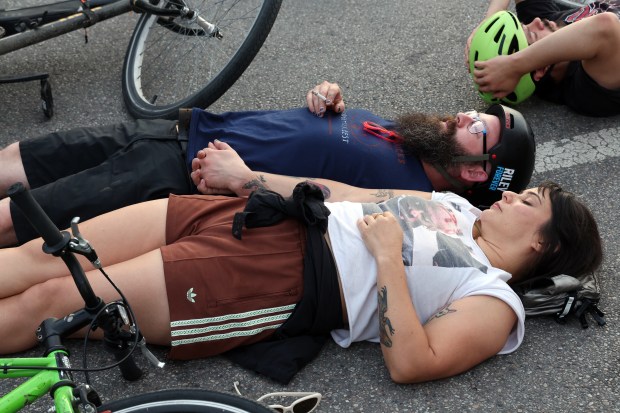
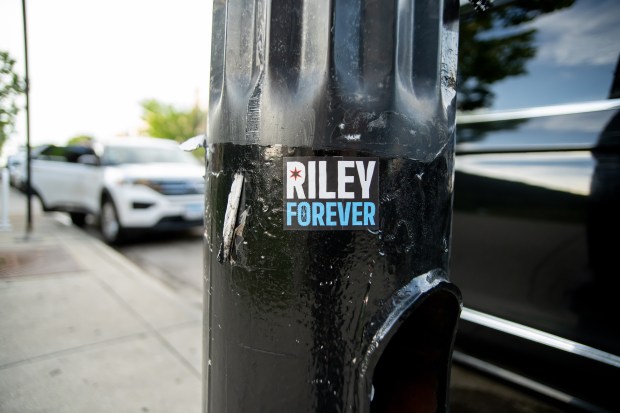
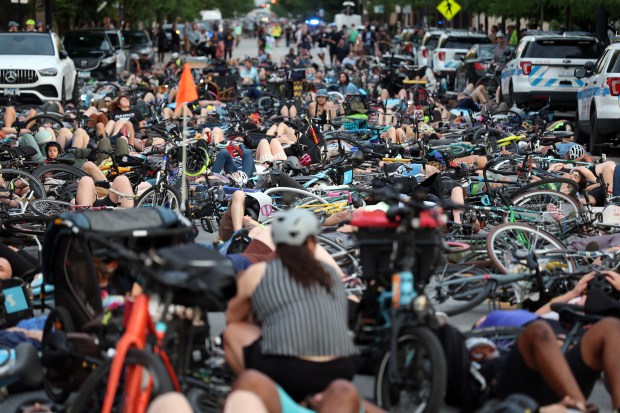
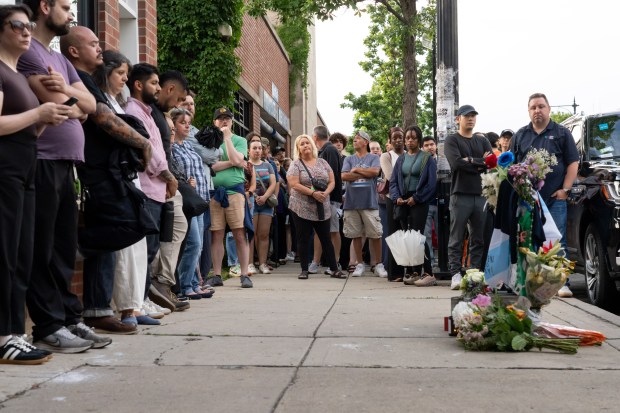
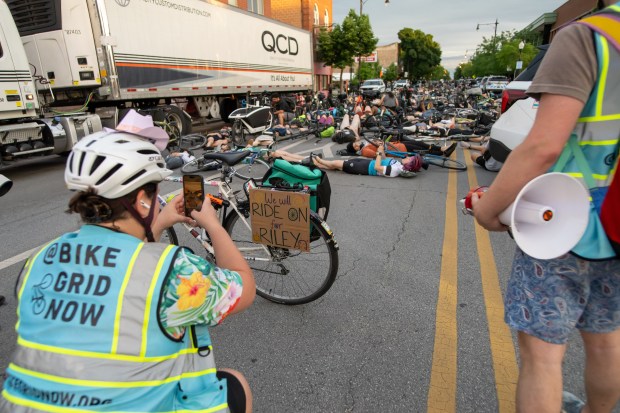
One cyclist and Bridgeport ward resident said some neighborhood advocates told 11th Ward Ald. Nicole Lee last year that they wanted to see protected bike lanes on the stretch of Halsted where O’Neil was killed.
Bridgeport resident Andrew Mack said members of a neighborhood group, the 11th Ward Safe Streets Union, had requested protected bike lanes on that stretch of Halsted in meetings with Lee both this year and last.
Mack said Lee’s response to the request was that there was not room for protected bike lanes there.
Lee acknowledged the conversations about bike safety and said she had never taken protected bike lanes off the table entirely.
“I probably gave them that answer, just being somebody who travels that street and understanding how much space a bike lane would take, and knowing how busy of a business corridor it is,” Lee said in a wide-ranging interview with the Tribune about traffic safety in her ward in the wake of O’Neil’s death.
In a statement, Chicago Department of Transportation spokesperson Erica Schroeder acknowledged that “upgrading the bike lanes on that section of Halsted would require a significant redesign of the roadway.”
Lee told the Tribune that previously, her focus had been on moving bike traffic off Halsted and onto a quieter street nearby, namely Union or Emerald avenues.
In a social media post the weekend after O’Neil died, Lee referenced a traffic study she had commissioned from CDOT that she said would evaluate the feasibility of a greenway on one of those two streets.
“I have been focused on taking the bike traffic off of Halsted and onto … a smaller residential street so that people can travel more safely,” Lee told the Tribune. “And I don’t know that that’s the right answer anymore, I just don’t.”

Halsted is a major north-south thoroughfare, running from Lakeview all the way to the south suburbs of Chicago. It’s often the most direct way for cyclists to get where they’re trying to go.
Bridgeport resident Melissa Postlethwait, who bikes to get around, said she often tries to bike on Loomis Street, another north-south street in the neighborhood, instead of Halsted, because she feels safer there.
But it isn’t possible for cyclists to simply avoid the neighborhood’s major thoroughfare, said Postlethwait, another member of the neighborhood’s safe streets group.
“All the places that drivers are trying to go on Halsted,” Postlethwait said, “the grocery store, UPS store, bookstore, coffee shop — those are the same places that cyclists are going.”
Lee said she couldn’t say one way or another whether she thought there should be a protected bike lane on the entire length of Halsted. But she said she was starting to think of bike lane connectivity more broadly than she had in the past — thinking not just about a small section of her own ward but about the city as a whole.
“How does what I’m doing fit into the bigger plan? And I don’t know enough about the bigger plan to understand if I’m helping or hurting at the end of the day,” she said.
In a statement, CDOT spokesperson Schroeder said the department was coordinating with Lee’s office “as we evaluate a range of potential traffic safety improvements in the area.”
“It is a big balancing act, all of this,” Lee said. She noted that she’d received feedback “from folks on both sides” about protected bike lanes.
The alderwoman also echoed bike advocates who said changing driver behavior is another piece of the safety puzzle. Her office was starting a postcard campaign to educate drivers about the importance of looking before they open their doors, she said.
Man’s license was suspended after DUI arrest
The man who allegedly doored O’Neil has a history of traffic infractions, court records reviewed by the Tribune show.
The 31-year-old was cited on the scene by Chicago police on June 5, but was not taken into custody. The Tribune is not naming him because the man has not been charged with causing O’Neil’s death. A Chicago police spokesperson said Friday that an investigation into the case was “ongoing.”
Police cited the man on the scene for the unsafe opening or closing of a door, parking in a prohibited area, operating an uninsured motor vehicle and driving with a suspended license, according to a police spokesperson.
According to a traffic crash report, the man told police he had not been actually driving the car, his sister was, but that he had been getting something out of the front seat. He also told police the door was already open, a statement seemingly contradicted by a witness description of the incident in the same crash report.

Court records show the man’s driver’s license was suspended because he refused a breathalyzer after he was pulled over in early 2025.
He had “glassy eyes” and smelled of alcohol but refused a breath test at the time of the 2025 incident, according to court documents. The suspension of his license went into effect in May 2025 and is set to last for three years.
That DUI case is still pending.
Spokesperson Hendrickson of the Cook County public defender’s office said in a statement that “it is important to note that our client’s license was automatically suspended for declining to submit to a breath testing during a traffic stop. His license has not been revoked because of a conviction.”
The office is “confident” the man would “prevail in his pending case given the lack of evidence against him,” Hendrickson said.
The 2025 DUI stop was the second time the man had been accused of drunken driving in two years. In August 2023, he was stopped and accused of driving under the influence, driving with an open container of alcohol, failing to stop at a stop sign and other infractions, according to court documents.
In July 2024, he pleaded guilty to driving with an open container of alcohol, while the other counts, including the DUI, were dropped. He was sentenced to one year of supervision.
Hendrickson said prosecutors had dismissed that DUI “in an acknowledgement that they would not be able to successfully prove their case at trial.”
Public records show the man has been repeatedly pulled over and cited for driving on a suspended license during the last several years.
Asked about the man’s history of traffic infractions and whether any more serious charges could have prevented him from getting behind the wheel, the Cook County state’s attorney’s office said it “takes driving under the influence and other dangerous traffic offenses extremely seriously.”
“We prosecute these cases vigorously because of the risk these acts pose to the public, which can result in serious injury and death,” spokesperson Elyssa Cherney said.