
The co-founder of the local cannabis dispensary chain Ivy Hall will serve a year and a day in prison for his role in a wide-ranging cocaine trafficking and money laundering scheme, a federal judge ruled Wednesday.
David Berger was convicted in December for structuring cash and money laundering on behalf of the Mexico-based Oswaldo Espinoza drug trafficking organization. He is one of 18 defendants in the sprawling case and resigned from Ivy Hall about four months after his conviction, court records show.
Berger assisted the cartel by using his personal credit card to book flights for members of the organization to transport drug proceeds, according to court records. He received $3,000 for each flight, paid in grocery bags of rubber-banded cash at his home. The money was then deposited into two separate bank accounts, records show.
All told, Berger was found to have handled $253,350 in reimbursement money and his own compensation over about seven months between late 2020 and early 2021, court records show. In a sentencing memo, his attorney estimated his clear profit at about $60,000.
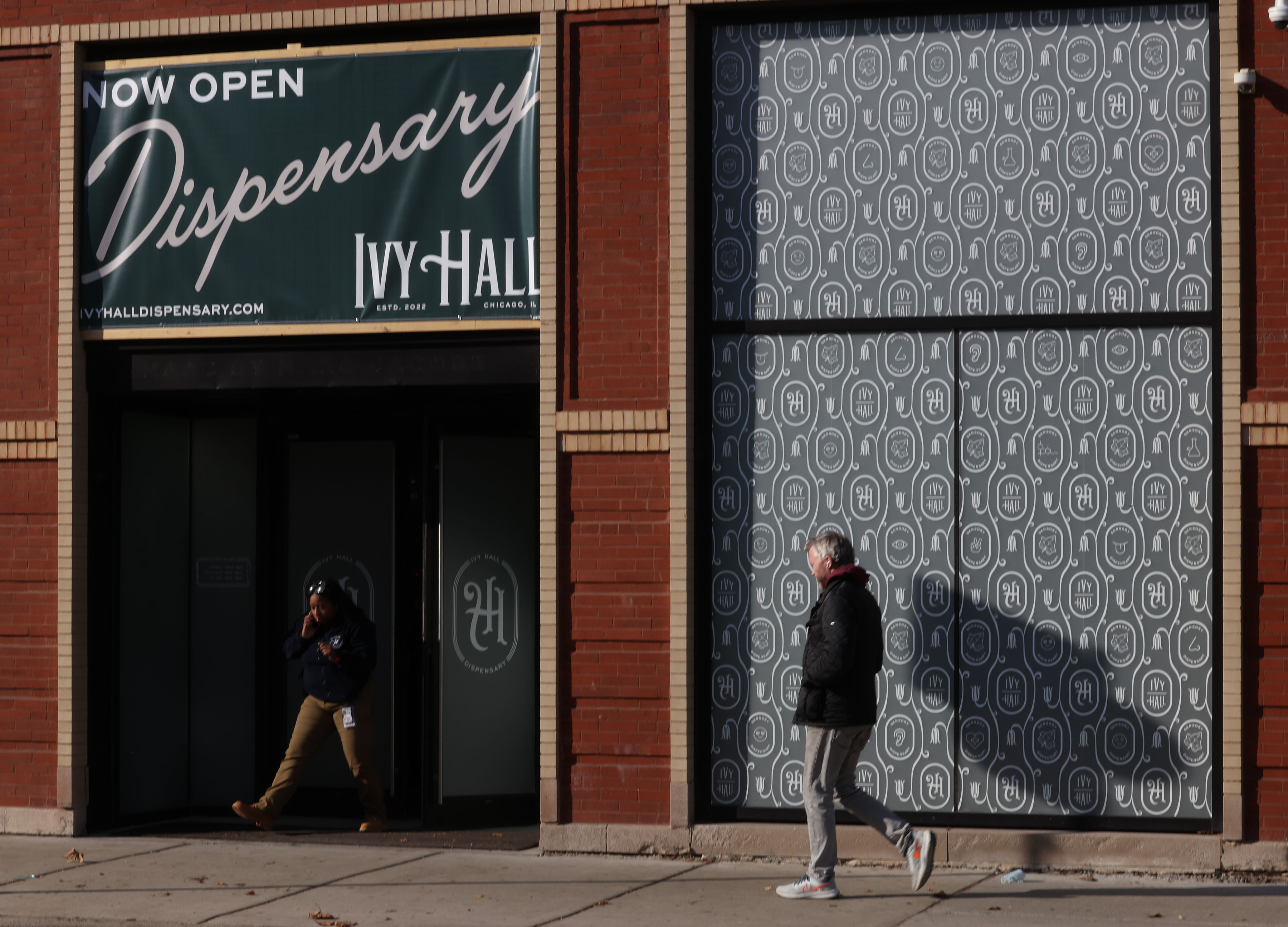
Ivy Hall opened in 2022. Per its website, the dispensary chain currently operates 10 locations around Chicago and its suburbs. Ivy Hall didn’t immediately respond to an emailed request for comment.
Federal prosecutors argued in a sentencing memo that Berger knew he was profiting from illegal activity and took significant measures to conceal those profits, depositing the cash he received into the two accounts on 19 separate days. Assistant U.S. Attorney Hanna Helwig asked U.S. District Judge Jorge L. Alonso that he serve almost three years behind bars, an additional year of supervised release and that he pay $253,350 — the amount of money he was convicted of depositing through his relationship with the cocaine traffickers.
Berger’s defense attorney Patrick Blegen asked that Alonso sentence Berger to six months of home confinement, noting that a pre-sentencing report had recommended two years of probation and six months in a halfway house.
Berger appeared for his sentencing with dozens of character letters from friends, relatives and colleagues who attested to his good character, family commitments and values as a businessman.
When invited to address the court, Berger told Alsonso that he was remorseful about his his role in the case and said it was “forcing me to look hard at myself … I am not proud of myself.”
Blegen had earlier told Alonso that Berger was the primary caregiver for his 4-year-old daughter and 3-year-old son while his wife worked as a physician. At the front of the room, Berger told Alonso that his children “did not choose any of this” and noted that the case, which was first charged in 2023, was older than his son.
“I only have a few years in which I get to be the most important person in my children’s life,” he said.
Before he announced the sentence, Alonso acknowledged Berger’s responsibility as a caregiver and said that besides the case that had brought them into the room, Berger has “otherwise led an exemplary life.”
But, Alonso said, the sentence Berger’s attorneys had requested would minimize the severity of his actions, the fact that they’d helped cover up the activities of a major drug trafficking network and the reason he became involved with the cartel.‘ “The motive is greed,” he said. “It’s profit.”
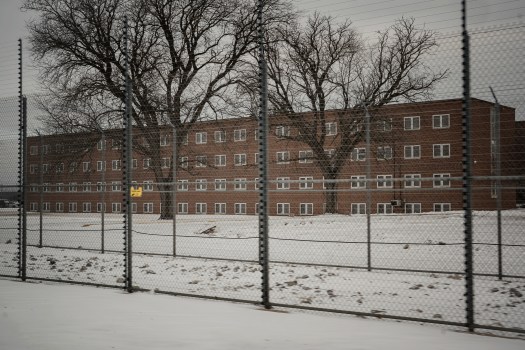
Alonso also fined Berger $10,000 and told him he will need to report to federal prison by 2 p.m. Oct. 5. The prison where he will serve his time was not yet designated as of Wednesday.