
After years of population decline, Illinois has now posted three consecutive years of growth. But that modest net decline masks a much bigger demographic shift.
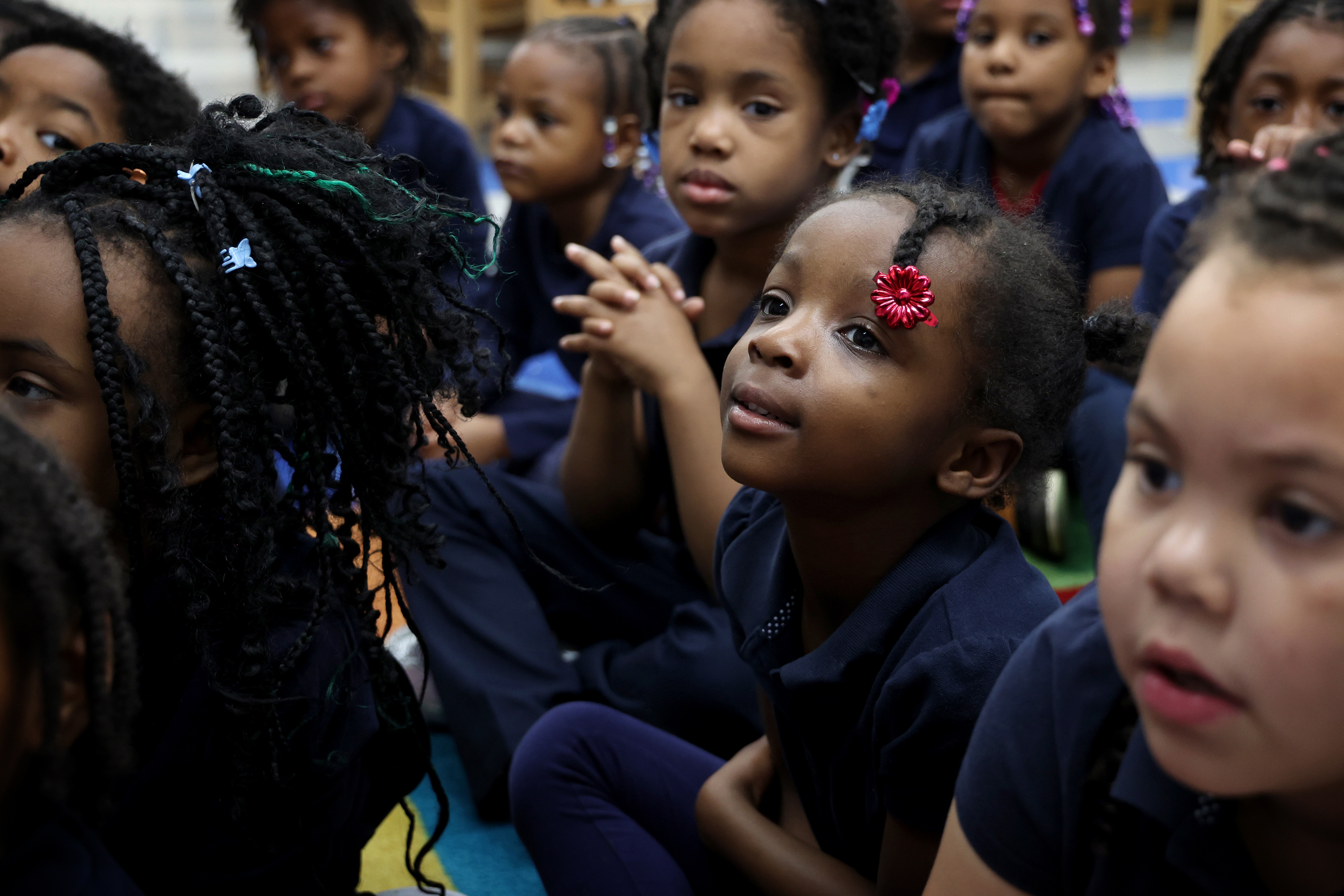
The bigger story is who we’re losing: children.
New census demographic data reveal that while Illinois’ total population has stopped bleeding after bottoming out in 2022, the state still had about 76,000 fewer residents in 2025 than it did in 2020.
Yet more strikingly, there are nearly 80,000 fewer Illinoisans under age 5 than just five years ago.
This isn’t just a preschool problem. Illinois had roughly 214,000 fewer residents under age 20 in July 2025 than it did in July 2020.
While the U.S. as a whole saw its under-20 population decline by 2%, Illinois’ dropped by nearly 7% — three times faster than the rest of the country.
That means our population challenges have shifted.
These data only offer insights at the state level, and not a more detailed county-by-county or city-by-city perspective. Certainly, there’s nuance to what’s playing out, and different stories unfolding in different areas of the state.
But taken as a whole, the numbers indicate we’re on a trajectory for a very different Illinois in the future.
Why?
The census estimates don’t answer that question. One plausible explanation is that Illinois is still experiencing the demographic aftereffects of years of domestic outmigration. Because Illinois’ age structure and fertility patterns broadly resemble those of the nation, the Illinois Policy Institute’s Bryce Hill argues the state’s more pronounced demographic shifts are likely driven in large part by years of net domestic outmigration.
More people have left Illinois for other states than come here from elsewhere even as the state’s population has stabilized, and our domestic outmigration remains among the worst in the country. Whether families and younger adults leaving is the primary explanation for declining youth population remains open to debate, and it’s true that our working-age adult population has grown every year since 2022.
The demographic reality, however, seems clear.
Fewer kids to fill schools. Fewer high school graduates to enroll in our public universities. Fewer workers to fill jobs, changing housing demand, different transportation habits and needs.
The effects of a shrinking child population will ripple across nearly every aspect of life — and governance — in our state, and these effects will be more pronounced because our decline is much greater than the rest of the nation.
Illinois has overcome one population problem only to be met with a new demographic challenge.
Wise leaders would look at these numbers and begin long-term planning for the future, recalibrating how we invest state and local revenue, because the system we’ve built isn’t necessarily equipped to service the population of the future.
Given Illinois’ youngest generation is shrinking three times faster than the nation’s, leaders here should be planning now.
Submit a letter, of no more than 400 words, to the editor here or email letters@chicagotribune.com.