




At least 40 park fieldhouses in Chicago communities particularly vulnerable to extreme heat will see upgrades to their air conditioning systems after the city announced a $1 million investment on Thursday.
According to the Chicago Park District, the project will expand cooling access around the city during extreme heat and address “historic disinvestment.” The investment is part of Chicago Mayor Brandon Johnson’s $45 million allocation of TIF surplus to the Park District this year.
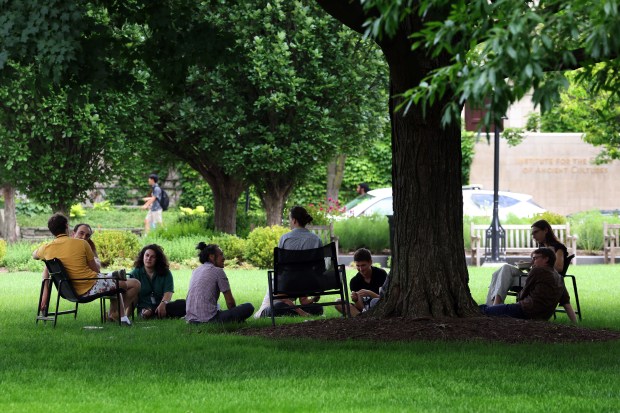
“For too long, communities that have faced the greatest impacts of extreme heat have also faced underinvestment in the resources needed to keep residents safe,” Johnson said in a Thursday news release. “By strengthening our neighborhood parks, we are ensuring that every resident — regardless of their ZIP code — has access to safe, welcoming spaces to cool down during dangerous heat events.”
Prolonged exposure to heat can lead to insufficient or poor sleep, compromising the immune system, increasing the risk for cardiovascular disease and diminishing cognitive performance. Heat-related illnesses like heat stroke can also be fatal. Residents without access to effective cooling or adequate hydration have a higher risk of suffering major health issues.
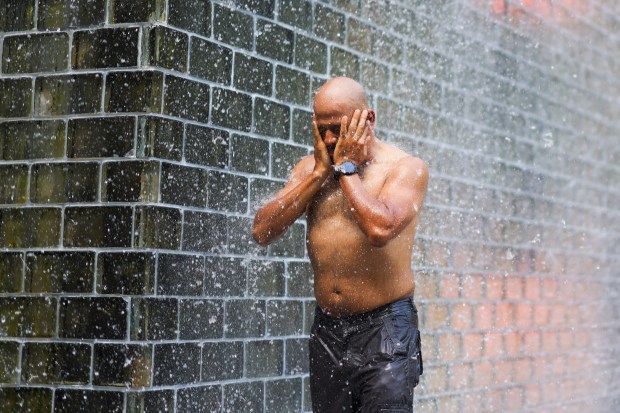
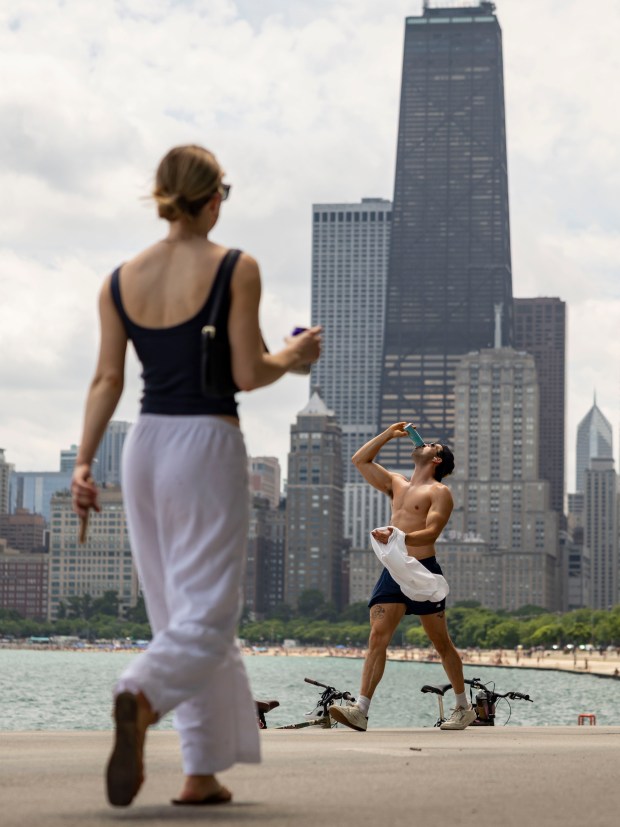
The city’s announcement comes after an early July heat wave coincided with Independence Day, during which most city buildings advertised as cooling centers closed for the holiday — with the unusual exception of one community service center and four public libraries.
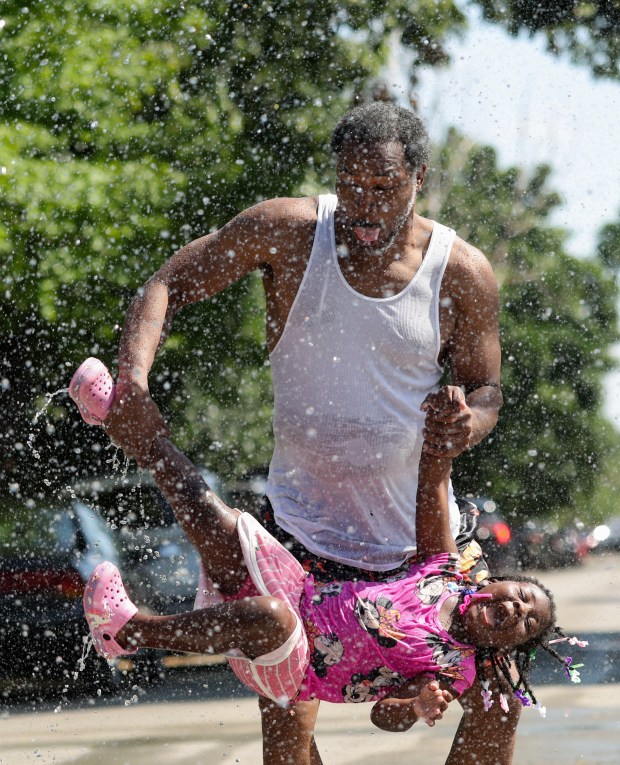
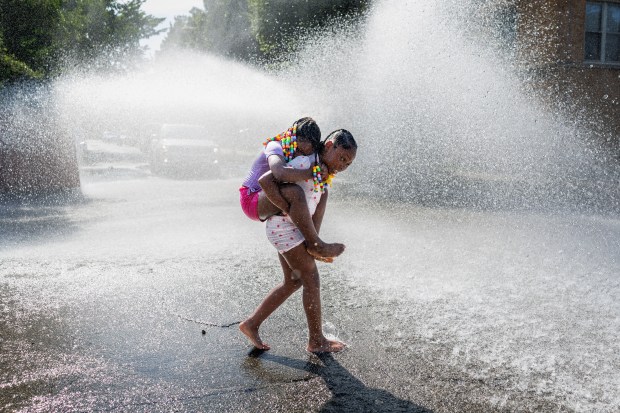
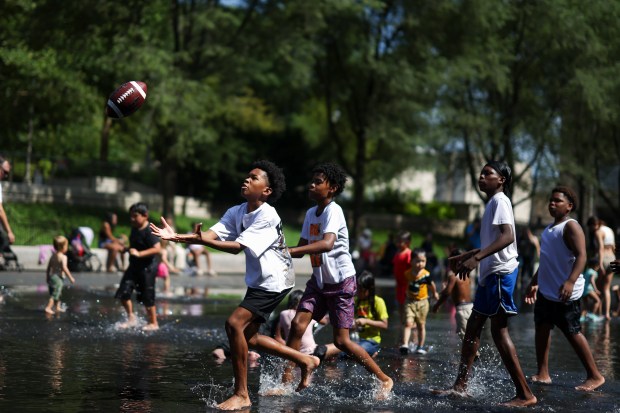
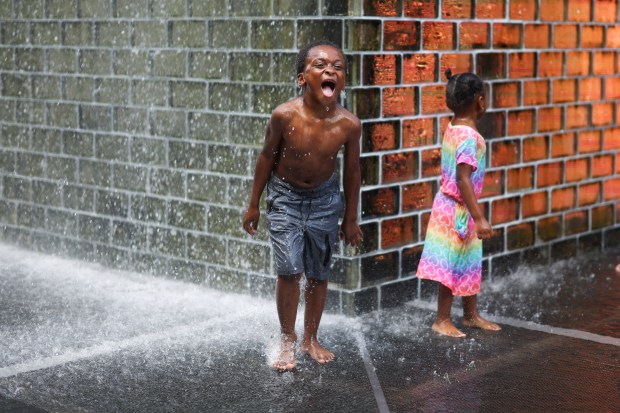
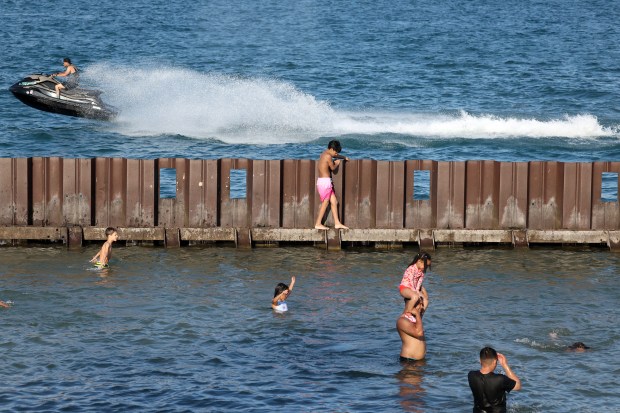
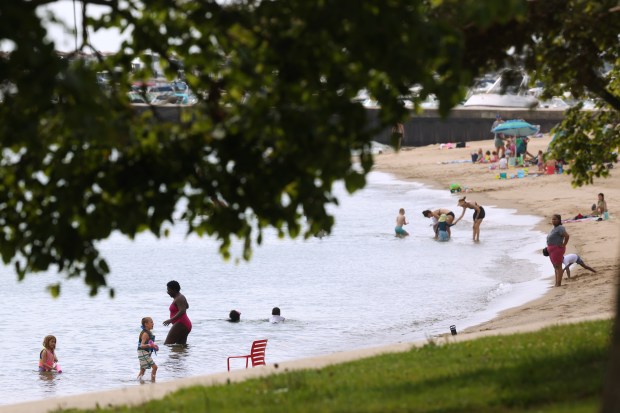
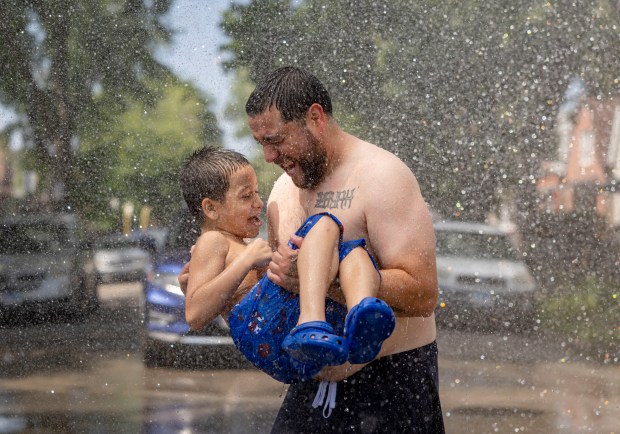
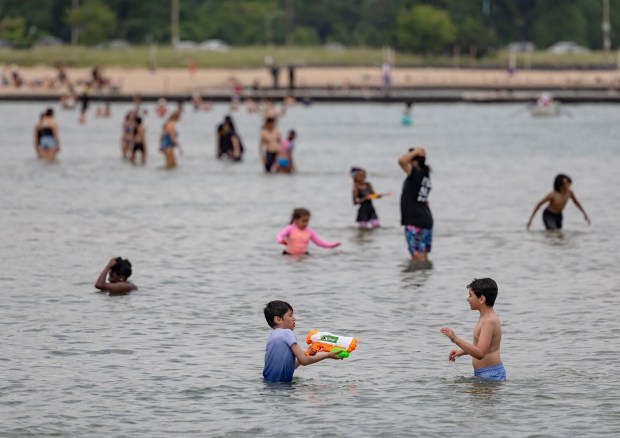
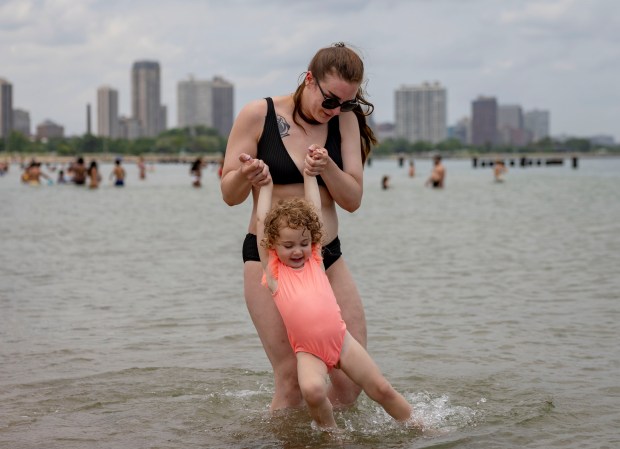
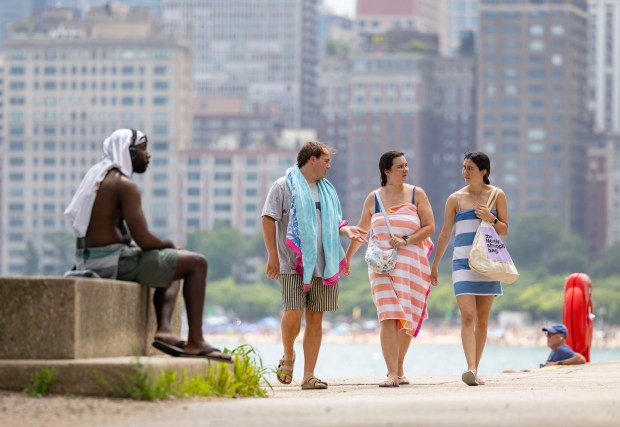
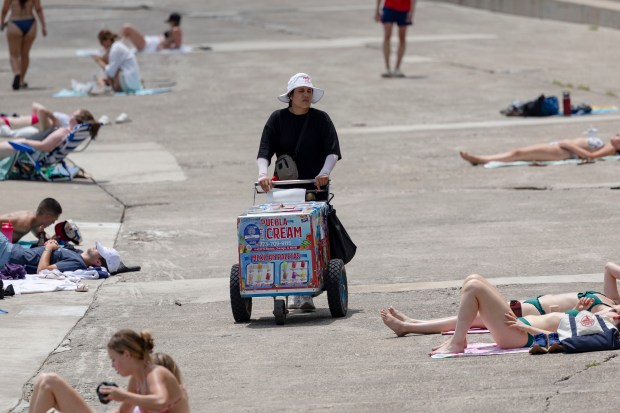
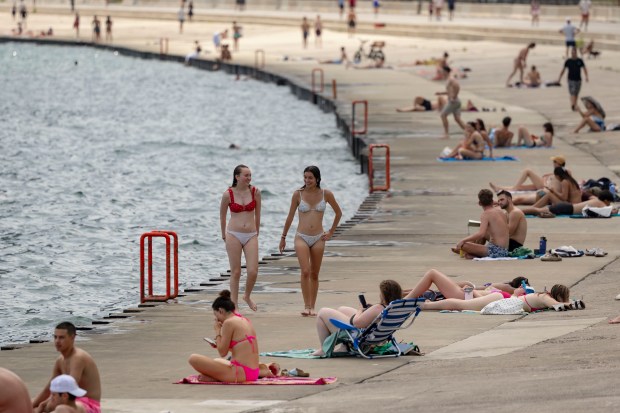
Besides its more than 240 splash pads and water spray features, the Park District touts its 22 lakefront beaches, the inland beach at Humboldt Park and 77 neighborhood pools as resources for residents to combat the summer heat. While beaches, beach houses and outdoor pools remain open during holidays, indoor pools don’t, and only some fieldhouses and park buildings open, with reduced hours.
The first phase of the project will take place across 42 park sites, including 19 in community areas facing the greatest health risks from extreme heat and 21 in those facing some health risks. By the end of the summer, 20 sites on the city’s West and South sides will be equipped with upgraded air conditioning, and by the end of the year, an additional 10 will be complete. A dozen larger projects are currently being designed to include cooling infrastructure.
The investment is being prioritized in certain areas based on the Chicago Heat Vulnerability Index, a tool developed by the Northwestern University Buffett Institute for Global Affairs and its Defusing Disasters Working Group.
“This (extreme heat) is not going away, and it’s only going to get worse, and so planning ahead, being prepared, understanding who’s vulnerable, in my opinion, is an incredibly important exercise,” Daniel Horton, a Northwestern associate professor and lead of the working group, said in an earlier interview with the Tribune. “And then, taking action based on all that effort that goes into identifying those vulnerable populations is imperative.”

In Chicago, overall summer average temperatures have warmed by 1.9 degrees since 1970 as Midwest summers become more humid, while average lows on summer nights have increased by at least 2.5 degrees in that same time. Just like greenhouse gases trap heat, moisture holds onto heat in the atmosphere. Rising temperatures, in turn, lead to rising humidity. For every 1.8-degree Fahrenheit increase in temperature, the atmosphere can hold 7% more water.
“When temperatures rise every bit of accessible cooling helps,” Horton said in a statement Thursday. “The Defusing Disasters Working Group welcomes this data-based effort to promote accessible cooling by the Parks District as it furthers the city’s efforts to increase community resilience and decrease Chicago residents’ vulnerability to high temperatures.”
Last weekend’s heat wave shows gaps in Chicago’s network of cooling centers
Carlos Ramirez-Rosa, the park district’s general superintendent and CEO, said in the news release that after episodes of heat, flooding and bad air quality, the city must build more climate-resilient parks “by upgrading vulnerable park infrastructure in the hardest-hit communities and using equity-focused research to connect those most impacted by extreme weather-related events to safe and comfortable public spaces to seek relief from the weather.”
Here is a list of the 30 parks that will have upgraded cooling systems by the end of the year, according to the city:
- Ken-Well Park at 2945 N. Kenosha Ave. in Hermosa
- Cragin Park at 2611 N. Lockwood Ave. in Belmont-Cragin
- Blackhawk Park at 2318 N. Lavergne Ave. in Belmont-Cragin
- Galewood Park at 5729 W. Bloomingdale Ave. in Austin
- Levin (John) Park at 5458 W. Kinzie Pkwy. in Austin
- Clark (John) Park at 4615 W. Jackson Blvd. in Austin
- Franklin (Benjamin) Park at 4320 W. 15th St. in North Lawndale
- Shedd (John G.) Park at 3660 W. 23rd St. in South Lawndale
- Washtenaw Park at 2521 S. Washtenaw in South Lawndale
- Piotrowski (Lillian) Park at 4247 W. 31st St. in South Lawndale
- Armour (Philip) Square Park at 3309 S. Shields Ave. in Armour Square
- Kelly (Edward) Park at 2725 W. 41st St. in Brighton Park
- Davis (Dr. Nathan) Square Park at 4430 S. Marshfield Ave. in Back of the Yards
- Cornell (Paul) Square Park at 1809 W. 50th St. in Back of the Yards
- Fuller (Melville) Park at 331 W. 45th St. in Fuller Park
- Gage (George) Park at 2411 W. 55th St. in Gage Park
- Hermitage Park at 5839 S. Wood St. in Englewood
- Murray (David) Park at 1743 W. 73rd St. in West Englewood
- Strohacker (Howard) Park at 4347 W. 54th St. in West Elsdon
- Pasteur (Louis) Park at 5825 S. Kostner Ave. in West Elsdon
- Dawes (Charles G.) Park at 8052 S. Damen Ave. in Auburn Gresham
- O’Hallaren (Bernard) Park at 8335 S. Honore St. in Auburn Gresham
- Cole (Nat King) Park at 361 E. 85th St. in Chatham
- Avalon Park at 1215 E. 83rd St. in Avalon Park
- Woodhull (Ross) Park at 7340 S. East End Ave. in South Shore
- Robinson (Jackie) Park at 10540 S. Morgan St. in Washington Heights
- Palmer Park at 201 E. 111th St. in Roseland
- Bradley (Josephine) Park at 9729 S. Yates Ave. in South Deering
- Veterans’ Memorial Park at 2820 E. 98th St. in South Chicago
- Wolfe (Richard) Park at 3325 E. 108th St. in East Side