
Chicago’s public schools are once again facing a significant budget crisis.
With schools under pressure to close drastic budget gaps, many school administrators and local communities are relying on an old and dangerous solution: raising private funds to support public education.
As a public school educator and administrator, I understand the temptation. Schools that can raise private funding can do so easily. School administrators simply ask affluent public school families to donate. Families care deeply about their children’s schools, their education and their interests. So, they create GoFundMe pages, open their Venmo and Zelle accounts, and donate what they can.
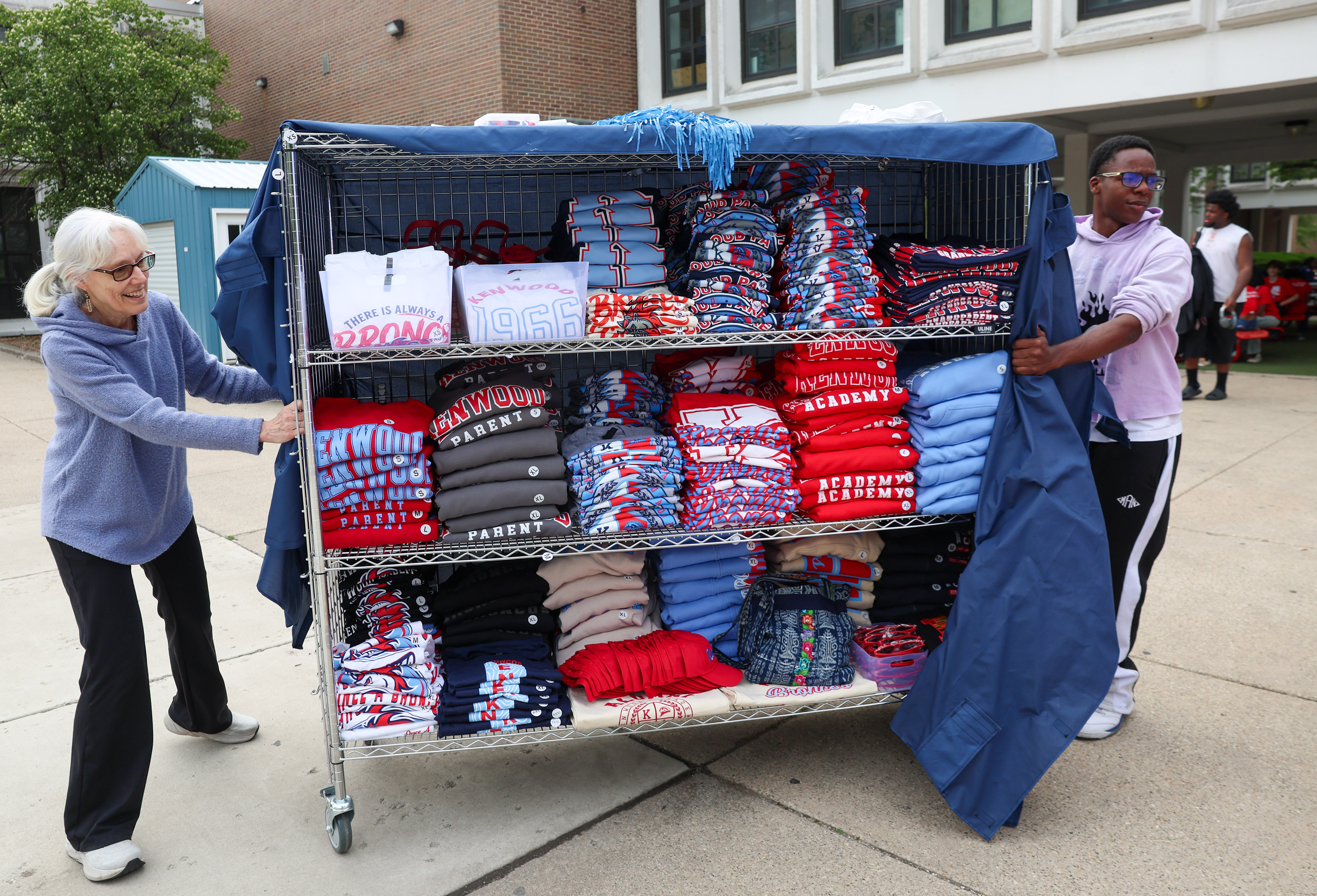
These donations are siphoned into a nonprofit foundation, which means these funds, unlike public dollars, are free from bureaucratic oversight and regulations. School administrators can use these funds immediately to cover expenses that the public dollars cannot, such as extracurricular activities, elective resources and other programs that augment the educational experiences that children receive.
Plus, these donations are tax-deductible, an added perk for the affluent families in the city who are the most likely to have the funds to give.
However, relying on private funding for public education fuels inequity in the city’s schools, often advantaging the already advantaged and disadvantaging the already disadvantaged. In short, public schools serving more affluent students are more likely to have access to families willing to donate private funds. This creates what I call doubly advantaged schools — institutions that serve more white and affluent students and thus can leverage and rely on private philanthropy to subsidize inadequate public aid. They are doubly advantaged because the children who attend these schools benefit from the social and economic capital their families possess, and the school, in turn, builds on these advantages by pressuring families to donate generously to their children’s public schools.
The overreliance on philanthropy exacerbates and generates inequities, even in a single school district. Often, schools that are doubly advantaged are only a few city blocks away from schools that must rely solely on inadequate public support. When we don’t acknowledge these advantages and their corollary disadvantages, we can’t see the inequities that exist in our own communities and schools. Instead, we as a society often blame educators, families and youths for the inequities that we collectively generate.
Moreover, the overreliance on private funds to support public schools masks the challenges that all schools face in underfunded school districts in rural and urban communities. This weakens our collective fight — across class, race and space — to secure more government funding for underresourced schools and communities.
Families want to donate to their children’s public schools, especially during a budgetary crisis. But there are ways to make it more equitable than it currently is.
School districts have required families who choose to donate to their children’s school to match their donations to the school district, thereby increasing the funds available to schools that enroll children whose families do not have the income to make these donations freely.
Others have implemented regulations governing the resources that families can access, using these resources to mitigate the ever-increasing escalation of inequity in our public schools. Still others, including Chicago, have created centralized funds that solicit and manage private donations from residents and philanthropies.
In an ideal world, the public would fund our public schools. But as money pours in from families to subsidize inadequate public aid, it is critical for taxpayers to consider how overreliance on private funding exacerbates inequities and limits opportunities across the school system and our city. Private funding for public education has been and still is a way for the advantaged to remain advantaged in a system funded with inadequate public dollars in Chicago and beyond.
We must reckon with the inequities that this overreliance on private funding creates as public officials, once again, try to make the impossible possible: funding public education with insufficient government funds.
Erika M. Kitzmiller is a research associate professor at the University of Chicago. She is the author of two books: “The Roots of Educational Inequality: Philadelphia’s Germantown High School, 1907-2014” and “Unchartered: How One Public High School Transformed First-Generation High School Success.”
Submit a letter, of no more than 400 words, to the editor here or email letters@chicagotribune.com.