









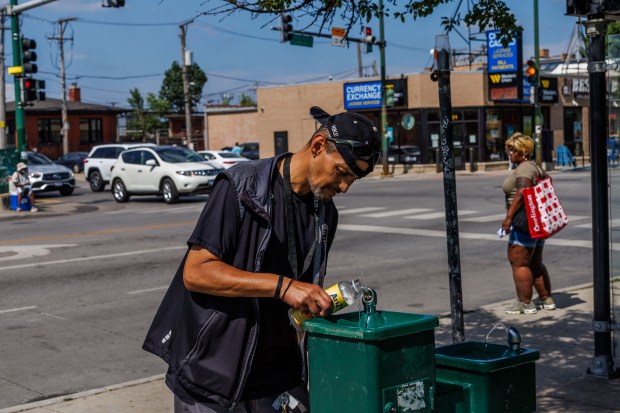













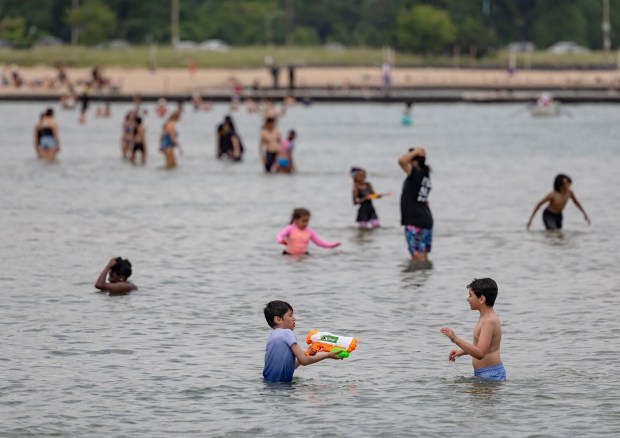




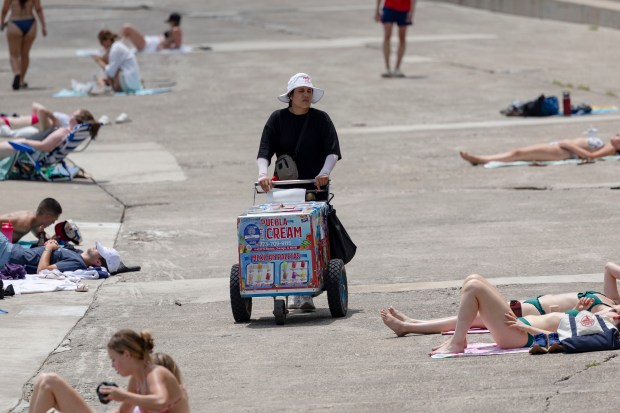

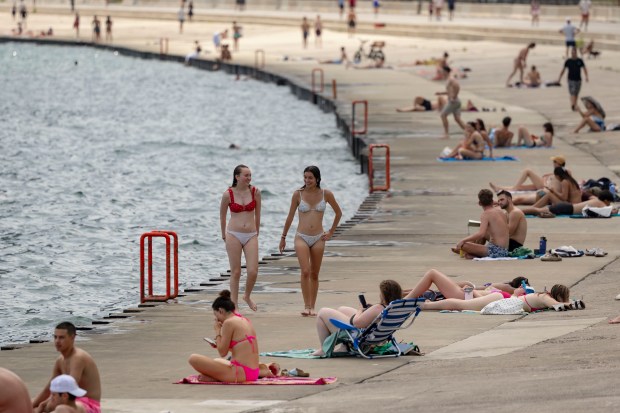


At least six people in Cook County are dead after successive heat waves blanketed the city in July, marking the area’s deadliest month for heat-related deaths in more than a decade, according to data from the medical examiner’s office.
The six deaths spanned just over a week, and most of the victims were younger than 60, according to the Cook County medical examiner’s office. But the true toll is likely higher, experts say, with heat deaths often attributed to cardiovascular events.
“It’s very concerning,” said Sadiya Khan, a cardiologist at Northwestern Medicine Bluhm Cardiovascular Institute. “These are the six that we know of, but a lot of heat-related deaths don’t get labeled as heat deaths.”
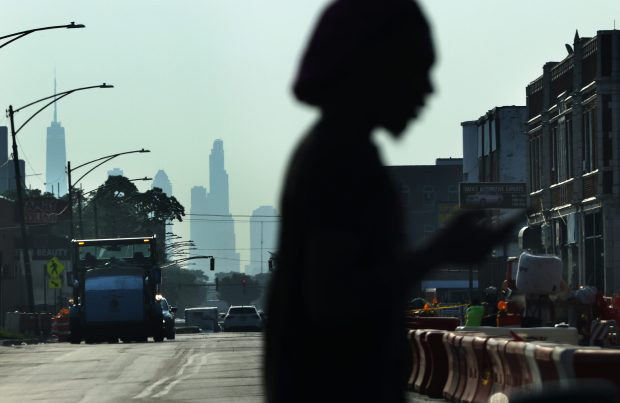
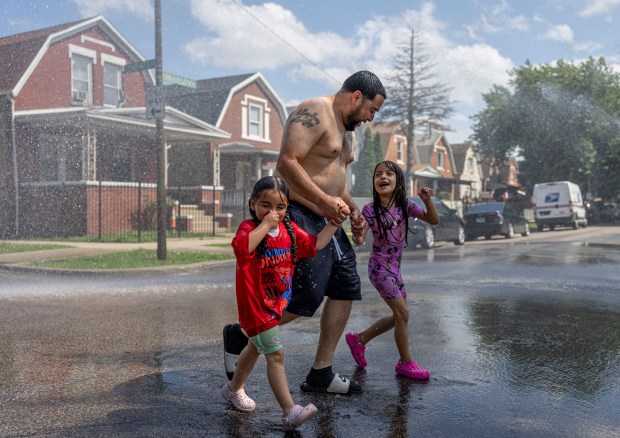
Air temperatures hovered in the upper 90s between June 30 and July 2, and the heat index, which accounts for humidity, exceeded 100 degrees. Sweltering conditions returned on July 14, with the heat index rising to 100 degrees in Chicago, according to the National Weather Service.
The most recent heat-related death was Stephanie Rodriguez, 45, who died July 9 in the Greater Grand Crossing neighborhood from complications of heat stroke, according to the medical examiner’s office. Schizophrenia was listed as a factor that contributed to her death.
Victor Ferguson, a 48-year-old West Side resident, is the latest person identified by the medical examiner’s office as having died in this month’s heat wave. He died July 2 of heat stroke, with ethanol intoxication listed as a secondary cause.

A day earlier, 69-year-old Daniel Machnikowski died at his Evanston home of heart disease, with heat stress listed as a contributing factor. On July 3, Barbara Whigham and Mike Rodriguez also died of heart disease complicated by heat stress.
Whigham, 71, who died in Englewood, had asthma and obesity. Rodriguez, 57, who died in the McKinley Park neighborhood, had diabetes, according to the medical examiner’s office. David Gonzalez, 44, died of heat stroke in the Chicago Lawn neighborhood on July 4.
The medical examiner’s office listed diabetes and obesity as contributing factors to Gonzalez’s death. Underlying conditions leave people especially vulnerable during periods of extreme heat, Khan said, because the added stress can trigger heart attacks, strokes and heart failure.
“When heat adds on to that, it’s putting an additional stressor on that person,” she said. “They have less reserve than somebody that’s healthy.”
After Chicago’s 1995 heat wave, which killed more than 700 people, Cook County saw 10 heat-related deaths in 1999 and 23 in 2012, the Tribune reported. Before this month, the highest monthly heat-related death toll since 2015 came during July 2019, when five people died, according to the medical examiner’s data.
30 years after deadly Chicago heat wave, threats persist as climate change elevates risks
The city has recorded heat indexes as high as 120 degrees in recent years, and average temperatures have warmed by 2.8 degrees since 1970. Heat continues to kill more people nationwide each year than all other weather-related disasters combined, according to the National Oceanic and Atmospheric Administration.
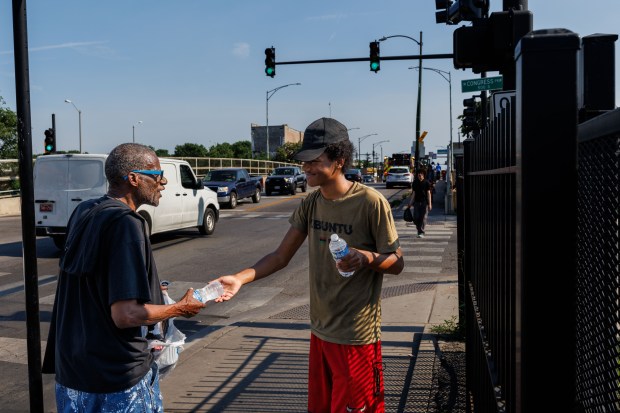
A Tribune analysis last year found gaps in the city’s cooling network, including cooling centers that were closed during periods of extreme heat around weekends and holidays. That’s especially concerning to experts like Khan, who said access to air conditioning or shade can be lifesaving for homeless people or those living in unstable housing.
As Chicago heats up, advocates and experts slam city for not addressing ‘inadequate’ cooling network
“Of all the things that we deal with in medicine, heat-related deaths should be almost completely preventable,” she said. “We should be monitoring this and then making sure that that’s not something that recurs.”