For all the talk about the exhaustive dissection of the mating ritual performed by the news media and special prosecutor Kenneth Starr in the new magazine Brill’s Content, perhaps the most sobering news for journalism is way back on Page 152.
“One in 14,” it says, relating the “chance an American believes journalists are more honest than most people.” The source is a 1997 report from the Center for Media and Public Affairs.
People who work in journalism have gotten used to trust-factor surveys that place journalists in the same company as congressmen and used car salesmen. Sometimes journalists laugh at that. They shouldn’t be laughing. They should be sweating.
Journalism is a trade built on trust, built on the understanding that words must be capable of passing a durability test just as brick and steel must. This is a trade that should be examining why there have been so many incidents of late in which it has failed the test.
The reporting standards evidenced in the coverage of Monica Lewinsky’s relationship with President Clinton have, all too often, been embarrassing. The rush to report salacious and unsubstantiated information and to exaggerate its importance in breathless TV reports and large-type headlines has deepened public distrust and distracted from the significant questions of the president’s conduct. “It might be true so we can’t ignore it” is a hollow defense.
No one seems to escape unscathed in the Lewinsky case–including Steven Brill, the newest media critic, whose own accuracy has been questioned by journalists who are cited or quoted in his Lewinsky story.
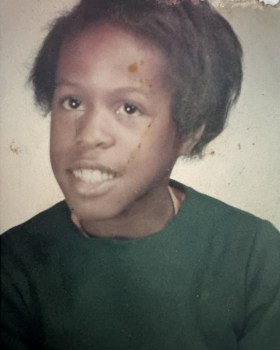
If “it might be true” is a disingenuous argument for the reporting of rumor, it sounds positively noble next to two incidents in recent weeks of journalists who knowingly created fiction and passed it off as fact. At the Boston Globe, a gifted writer named Patricia Smith resigned after the newspaper discovered she had concocted characters in her columns who were presented as real people. At The New Republic, a precocious 25-year-old named Stephen Glass was fired for fabricating all or part of 27 articles he wrote for the magazine.
Among themselves, journalists have been talking about these incidents. Wondering how two talented young writers could throw away careers by committing such an obvious breach of ethics and trust. Wondering how they figured to get away with it. Wondering if anybody will bother to read a magazine that trains a microscope on journalism.
Wondering about many things but probably not wondering enough about what matters: Why readers have lost trust in them.