
A conversation with someone the other day changed the way I think about politics.
I was chatting with a musician during a break in a rehearsal for a Traveling Wilburys tribute show in early February in Joliet. Several area artists are going to play songs by the band and its individual members: Bob Dylan, George Harrison, Jeff Lynne, Roy Orbison and Tom Petty.
A saxophonist is going to play the lead vocal part on an instrumental version of “Pretty Woman,” among many other highlights. It’s going to be fun.
I was at the rehearsal instead of following the results of the Senate race in Alabama Tuesday night, when Democrat Doug Jones upset Republican Roy Moore. I mentioned the contest in conversation, and a friend said something that stuck with me.
He said it really doesn’t matter to him who is president, or which party has the majority in Congress. It doesn’t affect his daily life all that much.
He goes to work every day and comes home to his family. It doesn’t make much difference to his daily routine whether a Democrat or Republican sits in the Oval Office. He doesn’t interact with politicians on a regular basis, or follow political issues for a living like a newspaper columnist.
I appreciated the reminder that a lot of folks probably feel the same way. I realized people often take action only when something directly affects them.
For example, Illinois lawmakers this year significantly hiked income taxes. Some people griped, but many soon adjusted to government taking a bigger bite out of their paychecks.
Property taxes increased for many, but those who pay rent or have mortgages with escrow accounts may not have noticed.
But 2017’s best example of tax outrage was Cook County’s penny-an-ounce tariff on sweetened beverages. Paying a couple bucks more for soda drove consumers to shop out of the county, and the outcry by business owners and municipal leaders prompted repeal of the tax.
All that was missing from the exercise was a band of outraged citizens dumping containers of soda into the Chicago River, like the patriots who dumped tea into Boston Harbor during a political protest in 1773.
I think people have to experience negative effects of legislative policy before they doing anything about it. Consider the Federal Communications Commission partisan vote Thursday to repeal net neutrality rules.
There were some demonstrations before the vote and dire warnings about how the change will allow internet providers to charge customers more for some services, or how it might slow the delivery of certain content.
Some are concerned. Others are alarmed. But until people start to notice an increase in their monthly bills or a change in how their mobile devices stream videos, many won’t notice, or care.
Besides, attorneys general from several states, including Illinois, are suing to preserve the old rules. In some states, lawmakers vow to pass legislation that would require net neutrality in their state, even if the change at the federal level is upheld.
It may take years to resolve court fights, and even then many may not experience any difference in their online service.
Similarly, the tax bill Republicans are rushing through Congress sounds like it will have a lot of negative consequences in the future. From what I’ve read, it will transfer a lot of wealth to the rich.
Some politicians sound downright hysterical about the tax bill.
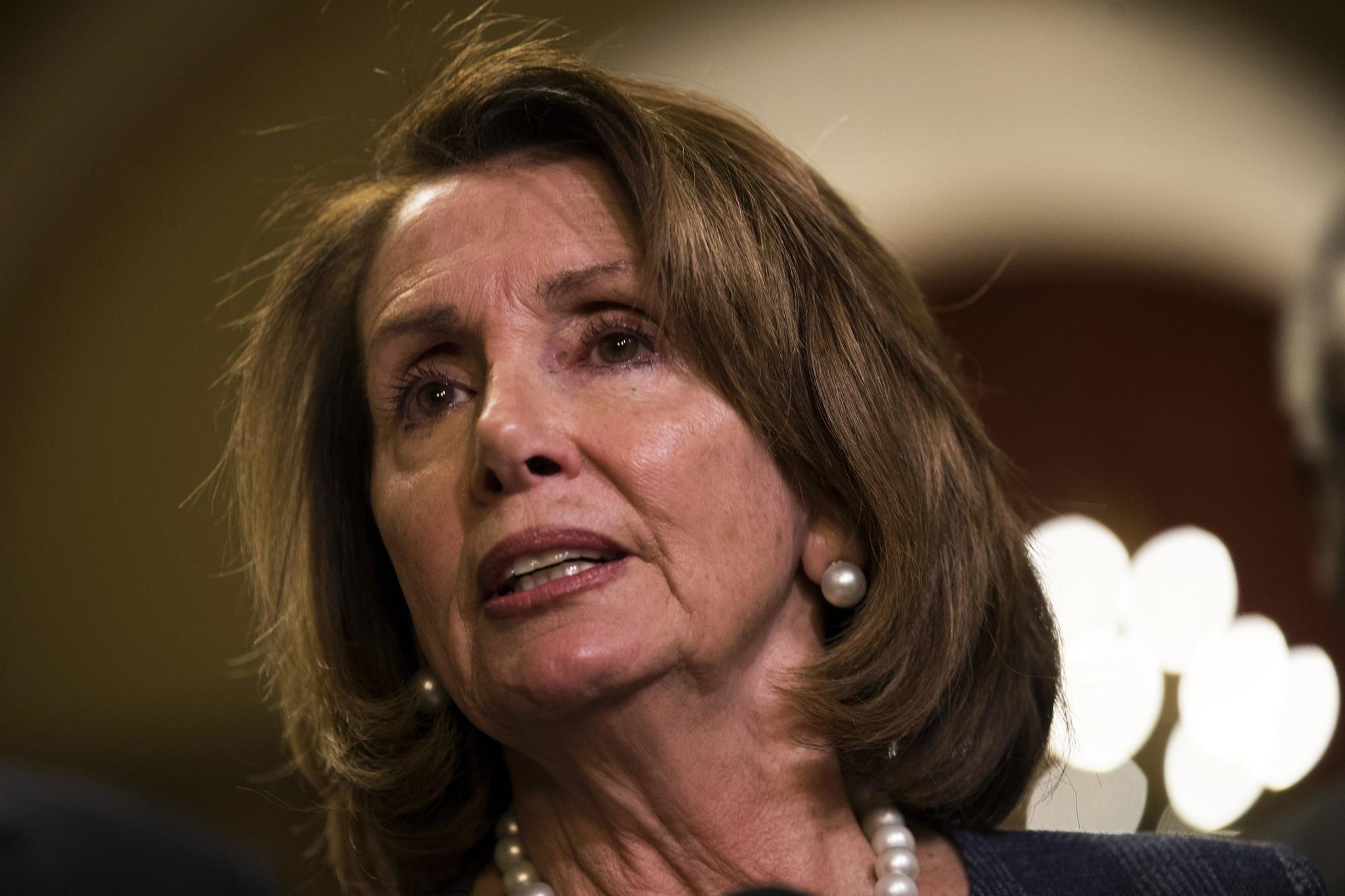
“It is the end of the world,” House Minority Leader Nancy Pelosi told reporters Dec. 4. “This is Armageddon.”
I think the tax bill will do a lot of bad things, like increase the federal deficit by $1.5 trillion over the next 10 years. It’s expected to cause funding cuts to services like Medicaid. Repeal of the Affordable Care Act’s individual mandate could cause 13 million Americans to lose access to health insurance.
But unless you’re one of those people, and until you lose your insurance, this tax bill might not change your life all that much. The rich may get richer, but that’s not going to affect how a truck driver from Crestwood or a schoolteacher from Tinley Park go about their daily routines.
To prove my point, GOP lawmakers revised their awful tax bill after some college students rallied to get rid of some provisions. Congress wanted to tax tuition waivers received by graduate students and eliminate deductions for student loan payments.
Following protests and pushback, those changes and others were stripped from the final version of the bill, which Congress is expected to take up for a final vote in coming days.
Polling indicates the tax bill is still deeply unpopular among most Americans, who realize it primarily benefits corporations and wealthy people. GOP members of Congress may pay a political price when voters head to the polls for the 2018 midterm elections.
But the sun will rise tomorrow. Passage of huge tax breaks for rich folks won’t cause Armageddon, as Pelosi suggested.
The electrician from Oak Lawn will still drive to his job and maybe grab a beer with friends after work. The parent in Homewood will get his or her kids up and off to school before putting in eight hours at the office.
The health care worker from New Lenox won’t think about politics unless gas prices suddenly spike to $4 a gallon. The mechanic from Chicago Heights won’t dwell on who occupies the White House unless something happens that directly affects his job.
That’s normal, and that’s OK. Some may realize these are extraordinary times, and that they need to become politically involved. But for many others, life will go on, and they won’t pay attention to politics until an issue personally affects them.