
For the first time in 17 days, rain fell overnight and into Thursday morning at O’Hare International Airport, the city’s official recording site.
Precipitation of more than a trace has been recorded just four times this month, amounting to 0.67 of an inch of rain through April 28 — the sixth lowest total on record for April since 1871.
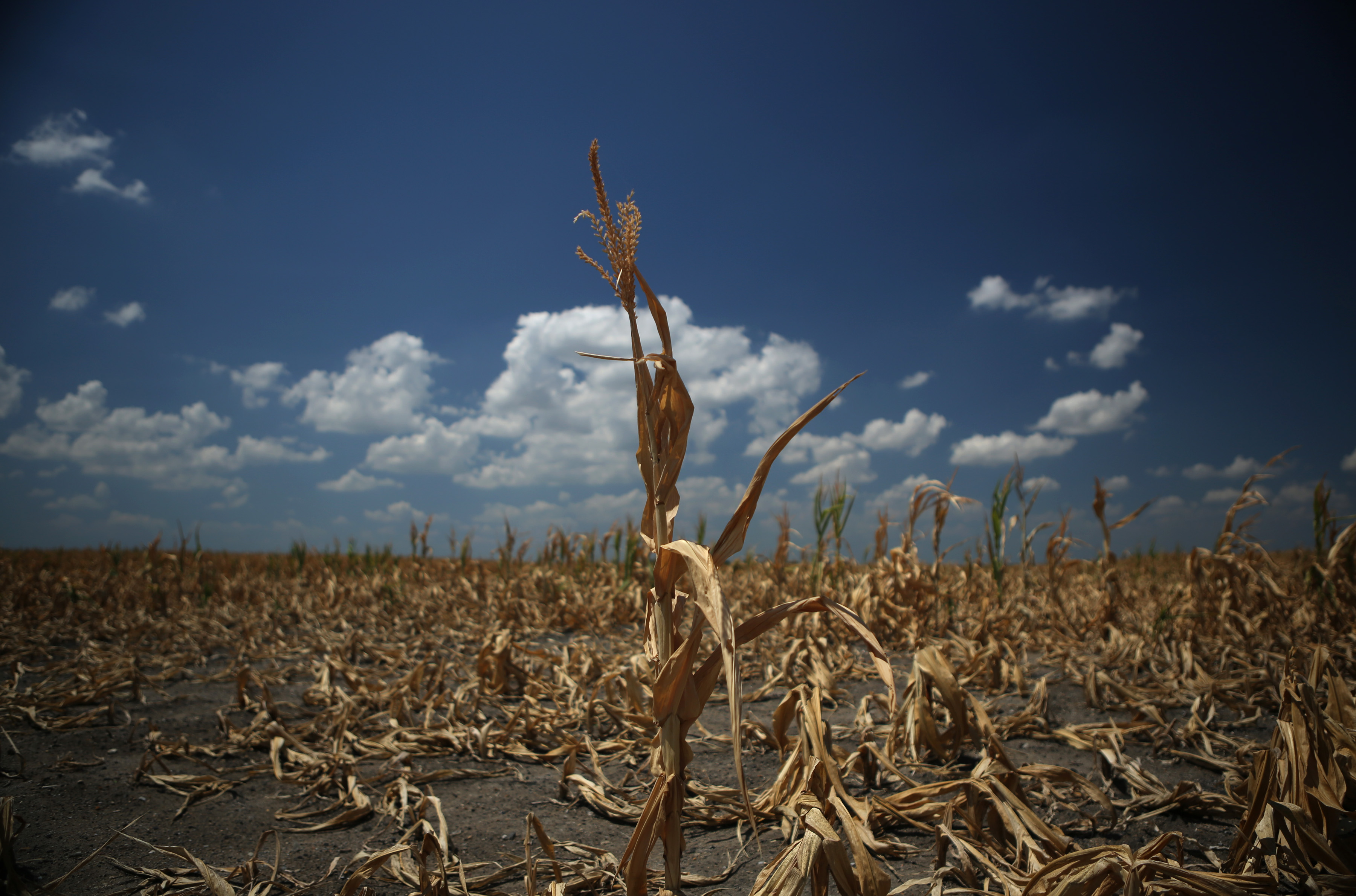
Under normal conditions, the Chicago area would have already received 9.4 inches of rain by the end of April. Our current four-month precipitation total is just above 5 inches — a deficit of more than 4 inches. It’s the sixth driest start in 150 years of record keeping.
!function(){“use strict”;window.addEventListener(“message”,(function(a){if(void 0!==a.data[“datawrapper-height”])for(var e in a.data[“datawrapper-height”]){var t=document.getElementById(“datawrapper-chart-“+e)||document.querySelector(“iframe[src*='”+e+”‘]”);t&&(t.style.height=a.data[“datawrapper-height”][e]+”px”)}}))}();
interactive_content
!function(){“use strict”;window.addEventListener(“message”,(function(a){if(void 0!==a.data[“datawrapper-height”])for(var e in a.data[“datawrapper-height”]){var t=document.getElementById(“datawrapper-chart-“+e)||document.querySelector(“iframe[src*='”+e+”‘]”);t&&(t.style.height=a.data[“datawrapper-height”][e]+”px”)}}))}();
interactive_content
!function(){“use strict”;window.addEventListener(“message”,(function(a){if(void 0!==a.data[“datawrapper-height”])for(var e in a.data[“datawrapper-height”]){var t=document.getElementById(“datawrapper-chart-“+e)||document.querySelector(“iframe[src*='”+e+”‘]”);t&&(t.style.height=a.data[“datawrapper-height”][e]+”px”)}}))}();
interactive_content
How dry is it?
More than 52% of Illinois — mainly the northeastern and eastern parts of the state — is abnormally dry. Trent Ford, Illinois state climatologist, believes conditions should improve, however, thanks to rain Wednesday and Thursday.
Ford said we don’t have reason yet to be worried about the 6% of the state — including much of the Chicago metro area — that is experiencing drought conditions.
Conditions can rebound if near normal May rainfall, generally 3.5 to 5 inches, falls in the northern part of Illinois, Ford said. He points to the Climate Prediction Center’s forecast of wetter than normal conditions for next month.
“Rain forecasts for the next 5-7 days look good, but I’ve seen wet forecasts fall apart as storm systems move closer,” Ford said.
Drought conditions in Illinois by week:
Maps from the United States Drought Monitor.

Numerous droughts have occurred in Illinois, with the most significant in the 1930s, 1950s 1988, and 2007, according to the Illinois Department of Natural Resources.
The last time Illinois experienced significant drought, according to WGN-TV chief meteorologist Tom Skilling, was in 2012.

!function(){“use strict”;window.addEventListener(“message”,(function(a){if(void 0!==a.data[“datawrapper-height”])for(var e in a.data[“datawrapper-height”]){var t=document.getElementById(“datawrapper-chart-“+e)||document.querySelector(“iframe[src*='”+e+”‘]”);t&&(t.style.height=a.data[“datawrapper-height”][e]+”px”)}}))}();
interactive_content
Could 2021 be a repeat of 2012?
It’s too soon to tell.
“What made 2012 so problematic in Illinois was that May and June were very dry and very warm,” Ford said. “For this year, rainfall in May and June will dictate whether conditions improve or we move toward a more serious drought situation.”
Spring precipitation in 2012 was well below normal, according to a report issued by the Governor’s Drought Response Task Force. But it was the extremely dry summer months that exacerbated the problem. Other contributing factors to the drought included very little snow during the warm winter of 2011-12, and dry conditions in southern Illinois counties during fall 2011.
“March and April 2012 were much warmer in Chicago than this year so far,” Ford said. “That’s important because evaporation this year has been much less than that in 2012.
!function(){“use strict”;window.addEventListener(“message”,(function(a){if(void 0!==a.data[“datawrapper-height”])for(var e in a.data[“datawrapper-height”]){var t=document.getElementById(“datawrapper-chart-“+e)||document.querySelector(“iframe[src*='”+e+”‘]”);t&&(t.style.height=a.data[“datawrapper-height”][e]+”px”)}}))}();
interactive_content
Sources: Chicago Tribune reporting and archives; National Weather Service; U.S. Drought Monitor; Illinois State Climatologist