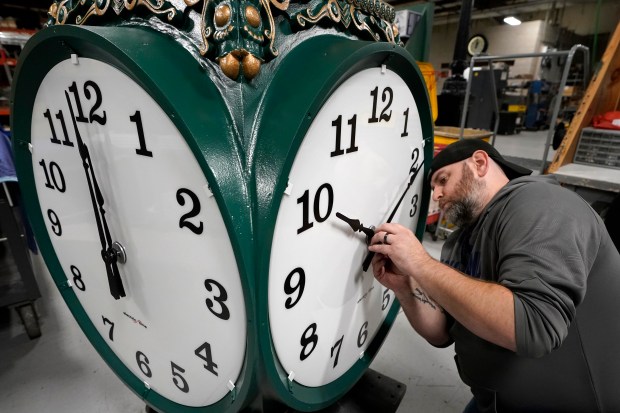
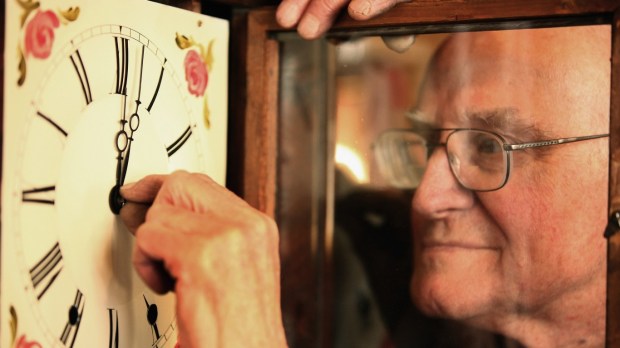

I feel badly for all the unfortunate kids who’ll never experience the biannual ritual of someday adjusting their clocks to spring ahead and fall back. I imagine millions of confusing conversations in the future between today’s children and their parents or grandparents.
“Back in the olden days, we had to manually change our clocks in the spring and in the fall,” an old codger will tell the kid. “It was pure hell, sonny boy. We lost sleep. We lost daylight. We lost votes, crops and trick-and-treaters. We damn near lost our minds twice a year!”
“Grandpa, why did you have to change your clocks?”
“Government tyranny,” the curmudgeon will reply with a scowl.
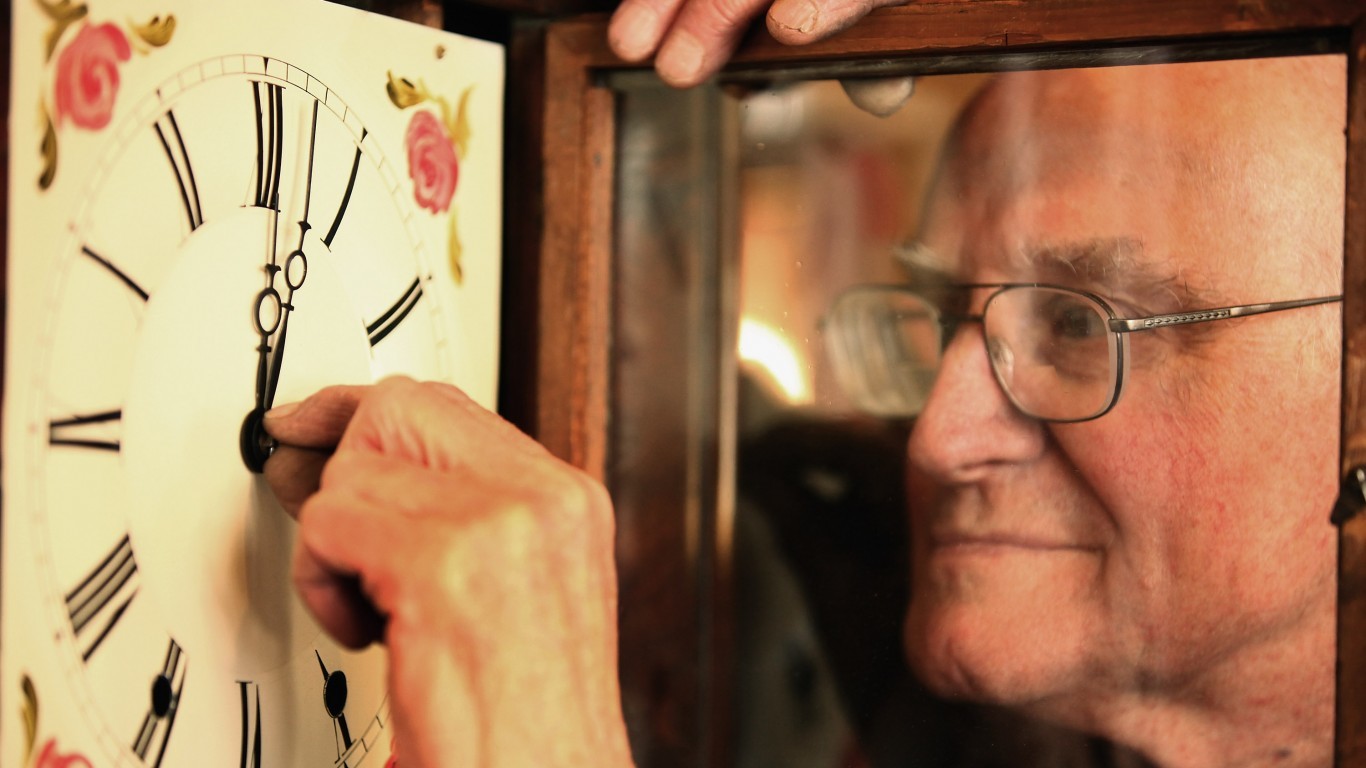
Well, these days of tyranny may finally be ending if a U.S. Senate bill gets approved by the House and signed by President Joe Biden, the poster child for Americans who kept forgetting to adjust their clocks every March and November.
This bill, the Sunshine Protection Act, would make Daylight Saving Time permanent across the country, including Arizona and Hawaii, the only two states that weren’t forced to conform to it. Finally, our United States will become united states again, at least in regard to sharing daylight benefits. Hey, it’s a start.
The unexpected bill has bipartisan support. It seems like this law should be a done deal, no questions asked, right? I won’t be convinced until we someday look back and ask each other, “Remember when we used to change our clocks? How stupid was that?”
“If we can get this passed, we don’t have to keep doing this stupidity anymore,” Sen. Marco Rubio, R-Fla., told fellow lawmakers when the bill passed unanimously. “One has to ask themselves after a while, why do we keep doing it?”

Tradition, that’s why. What once was considered a brilliant idea has since been supported and refuted by study after study, rationalization after rationalization. Daylight Saving Time (NOT Daylight Savings Time) either prevents traffic accidents or contributes to depression problems, depending which study you cite. DST also has been blamed or credited with everything from conserving energy and causing more crimes, to increasing consumer spending and forcing kids to stay indoors after school ends.
It all depends on what we value more. Personally, I never minded changing my clocks twice a year, but I never got to enjoy the true benefit of daylight “shifting” time. I’m not an early morning person. Never have been, for any job I’ve worked. To me, a sunset is spectacular, a sunrise is a rumor.
With traditional clocks eventually becoming as common as eight-track tapes, the physical act of changing them will not be as much of a problem as it used to be in most homes. By the way, if changing clocks twice a year is considered a problem to you, there are millions of Ukrainian refugees who beg to differ about the definition of a problem. Relativity 101 is now in session.
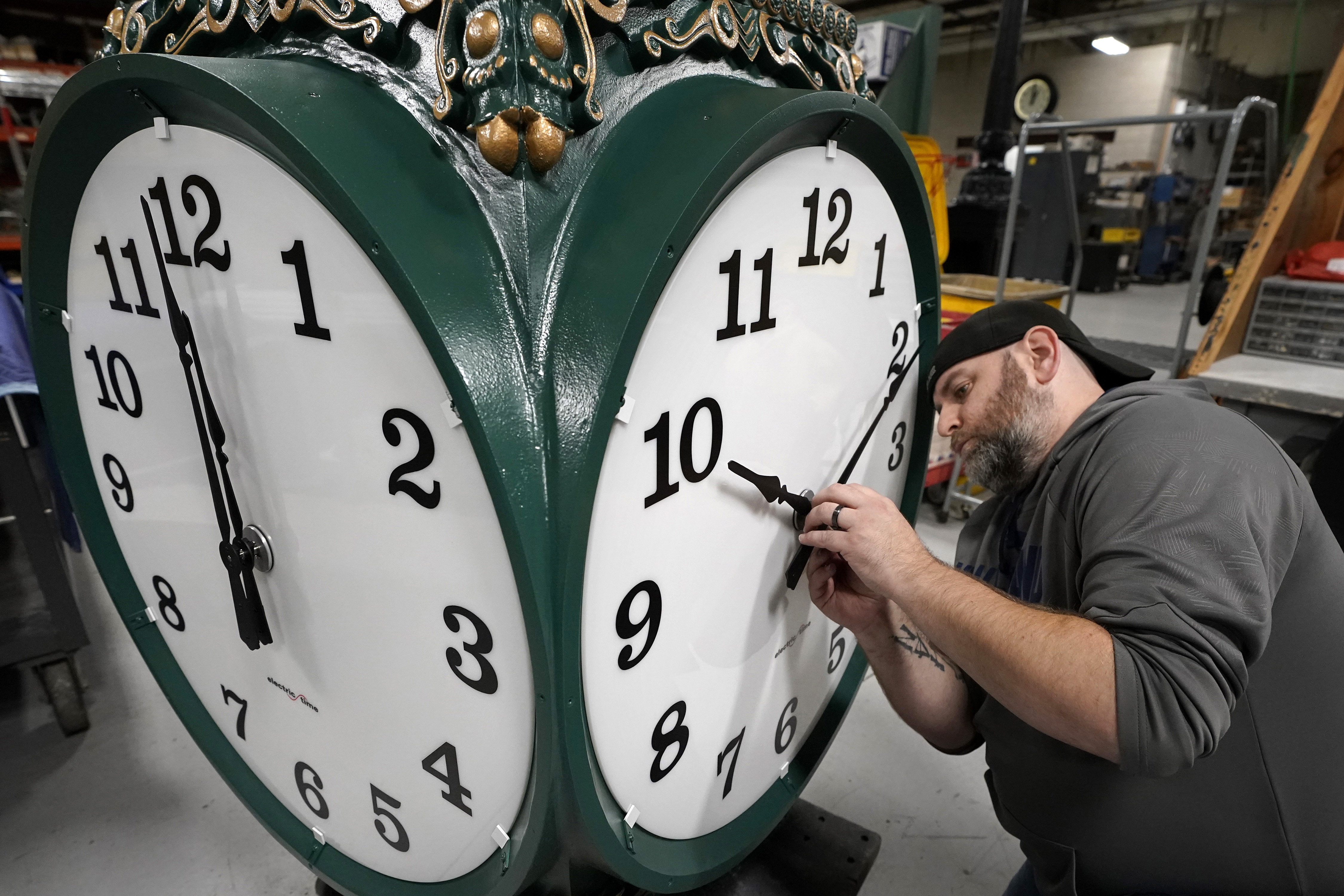
If this proposed bill passes and gets signed into law, it would not get implemented until November 2023, allowing the transportation industry time to adjust its schedules. This would give us one more year of complaining, the favorite pastime of Americans.
As I once wrote, “Only the government would fall for the scam of chopping off one section of a blanket at its top, sewing it to its bottom, and reselling it as a longer, more durable blanket,” quoting other critics of DST.
Since 2015, more than 200 bills and resolutions regarding daylight saving time have been introduced in almost every state across the U.S. in favor of permanent DST, according to the National Conference of State Legislatures. None of them received congressional approval to abolish the time change.
Worldwide, less than 40% of countries use DST, according to TimeAndDate.com. Germany and Austria were the first countries to try it, in 1916, though a small Canadian city experimented with it eight years earlier.
The idea traces back to 1895 and a New Zealand scientist, George Vernon Hudson. And 10 years later to a British builder, William Willett, who suggested setting clocks ahead 20 minutes on each of the four Sundays in April, and then switching them back by the same amount on each of the four Sundays in September, a total of eight time switches per year. I’m guessing he was stoned to death for his tedious idea. Hoosiers would’ve gone berserk if ordered to do such a thing every year like clockwork.

“Indiana has long been a hotbed of Daylight Saving Time controversy,” states WebExhibits.org, a site that outlines a comprehensive exploration of DST.
Historically, our state’s two western corners, which fall in the Central Time Zone, observed DST, while the remainder of the state, in the Eastern Time Zone, followed year-round Standard Time. In 2005, Indiana legislators passed a law that implemented DST statewide beginning the following year.
“Because of the long-standing feuds over DST, Indiana politicians often treated the subject gingerly,” the site states. “In 1996, gubernatorial candidate Rex Early firmly declared, ‘Some of my friends are for putting all of Indiana on Daylight Saving Time. Some are against it. And I always try to support my friends.'”
If you ask your friends whether DST should be implemented permanently across the country, I can’t imagine anyone would be against it. But some people just enjoy griping about things they have no control over — at least twice a year.