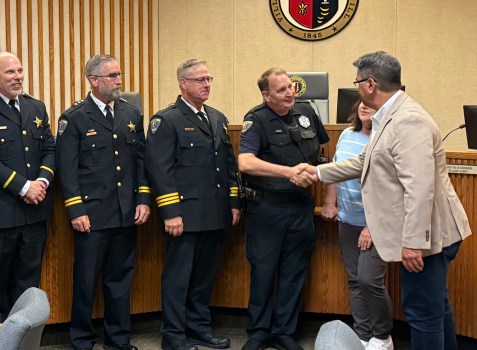

Will County received $475,000 in federal funds this month to help expand its efforts to fight against the opioid epidemic.
The funding will allow the county’s Rapid Response Team to distribute lifesaving drugs that prevent overdose deaths to high-risk communities and help those with substance use disorders connect to recovery resources, officials said. Funding will also go to the Will County Behavioral Health Workforce Project to provide career training and support services to those recovering from substance use.
The federal funds will allow Will County to both expand the program and continue well into 2023, and officials hope to receive more grants for these programs.
Dr. Kathleen Burke, the county’s director of substance use initiatives, said the COVID-19 pandemic has made those struggling with substance abuse feel more isolated and made it more difficult for them to access treatment. As a result, there has been an uptick in relapse rates.
Drugs, such as heroin, have been mixed with fentanyl, which has also contributed to an increase in opioid deaths in the county in 2021, she said.
Fentanyl is much more potent and also less expensive than heroin, and drug dealers have mixed the cheaper fentanyl with other drugs to increase their profits, Burke said.
In the last 10 years, Will County saw its lowest number of overdose deaths in 2014 with 35 deaths. The number of deaths has risen nearly every year and, in 2021, there were 111 overdose deaths in the county, statistics show.
The county developed the Rapid Response Team to help deliver naloxone, a medicine used to reverse opioid overdose, to those who need it. Naloxone can restore a person’s breathing if it has slowed or stopped.
The Rapid Response Team consists of peers who are in recovery who set up pop-up sites throughout the county, Burke said. Sites have included food banks, churches, bars, health clubs and not-for-profit organizations. The team delivers naloxone free to areas with a high homeless population, to motels and to police departments. In the summer, the group set up a table at festivals and car shows.
In 2020, the group distributed more than 3,500 naloxone kits. Last year, they were able to distribute more than 6,400 kits.
In addition to bringing naloxone, they also establish bonds with individuals seeking assistance. They work to help get them to treatment or to short-term housing while awaiting admission to care, officials said.
Because the workers on the Rapid Response Team had a similar experience, they provide a lifeline to those who are looking for help, Burke said.
“We are not giving up on people,” Burke said. “We’re there. When they are ready, we’re ready. When they need services, we will help them get services.”
Burke said naloxone is similar to having access to an automated external defibrillator, a lifesaving device that restores the heart rhythm. She said her organization is trying to break the stigma that naloxone is a crutch for drug users.
“The stigma is preventing people from reaching out for help,” she said. “Their brain is telling them they are not worth the help. We want to keep people alive. We want them to get help. We are not encouraging drug use. We are recognizing people have a substance use disorder.”
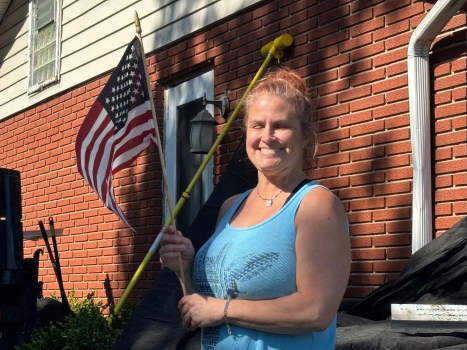
Christina Powers, a Rapid Response Team member, said she is passionate about helping others find treatment and believes naloxone helped save her own life.
Sober for nearly two years, Powers said she was prescribed pain medications after two different knee surgeries, but she felt ill from the drugs withdrawal symptoms. Eventually she tried heroin, which was cheaper than the pain pills, she said.
Now she works to help others overcome their own drug dependency.
“It’s a beautiful program,” Powers said. “A lot of people struggle quietly. It’s definitely good to know that we don’t struggle alone and we aren’t in recovery alone.”
The grants will expand the Rapid Response Team as well as the Behavioral Health Workforce Project, which provides career training for those who want to be recovery coaches or peer specialists. The program reduces the barriers for people in recovery to return to the workforce while also addressing the shortage of behavioral health treatment providers in Will County, Burke said.
Because the recovery coaches had an experience with substance use, they have been able to help others navigate the recovery journey, Burke said.
They can relate to the needs of someone entering a treatment program, and help them find housing and get a job or an identification card. Coaches help improve the chances that someone will stay in recovery, Burke said.
“Recovery is a lifelong journey,” Burke said. “We are creating a support system along that journey. The goal is to help people get well and have a successful life. I believe in people and their capacity for great things.”
Michelle Mullins is a freelance reporter.