While Chicago Public Schools students continue to show post-pandemic gains in reading and math, interim CEO Macquline King said the “encouraging” data is just the start toward meeting the district’s long-term goals.
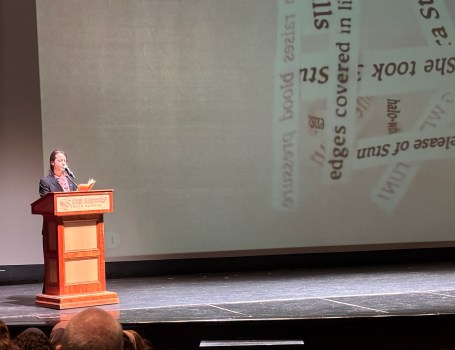
While the most recent data is encouraging, “We are not satisfied,” King said at a Board of Education meeting Thursday. “There are areas where more investment and better strategies are needed for students to reach their full potential. If we are to achieve the … five-year strategic plan, we must do better.”
In 2024, CPS put forth a five-year strategic plan aiming to increase the number of third through eighth graders who meet proficiency levels in math and reading by 20%. Nonetheless, recent data shows CPS students are hitting the mark in math and reading skills at their grade levels, and are outpacing their peers nationally, according to i-Ready assessment data.
On average, roughly half of Illinois students come from low-income households. Research has long linked socioeconomic status and academic achievement, concluding that lower-income students face more hurdles in learning at school and home.
These achievements are “even more incredible,” according to Alfonso Carmona, acting chief education officer, since a majority of CPS students — roughly 72% — face these economic barriers.
The district also shared that about 56% students are earning early college and career credentials — about 13,000 CPS graduates last year. That’s up from nearly 47% in 2022, when CPS first started tracking those credentials.
Attendance dips
The picture is mixed when looking at absenteeism. Daily attendance rates have increased slightly for Black students in both elementary and high school. But the district saw a dip in Latino student enrollment. The average daily attendance for Latino students at elementary schools was 91.7% this school year, down from 92% the year prior. The drop is slightly larger at high schools, from 85.5% to 85.1%.
Attendance among English learners has also decreased, according to district data.
The decline comes amid Operation Midway Blitz, President Donald Trump’s aggressive immigration enforcement campaign that has wreaked chaos across Chicago since September. Many parents have reported keeping their children home from class as federal agents storm the city.
Chronic absenteeism is also slightly higher this year relative to the year prior, up from 30.2% to 30.8%. A student is considered chronically absent if they miss 10% or more of the school year.
Some board members expressed concerns with the absenteeism numbers. Chronic absenteeism has soared across the state following the COVID-19 pandemic and the shift to remote learning — and CPS remains well above the state average, according to the most recent Illinois Report Card. A large body of research has shown that it is closely linked to academic performance.
“Long before (Immigration and Customs Enforcement), we were having trouble getting kids to school,” said board member Ellen Rosenfeld, district 4B. “You can’t (excel) on the ACT if you weren’t in school. You can’t do anything.”
Rosenfeld asked whether the district had a plan to address the attendance data and set long-term targets. CPS’ strategic plan set a goal to reduce chronic absenteeism by at least 15% — but it has remained a stubborn metric.
“Individual schools have attendance plans, and we’ve kind of been autonomous and dealing with it, but we do see the need … to have a districtwide plan,” King told the board