
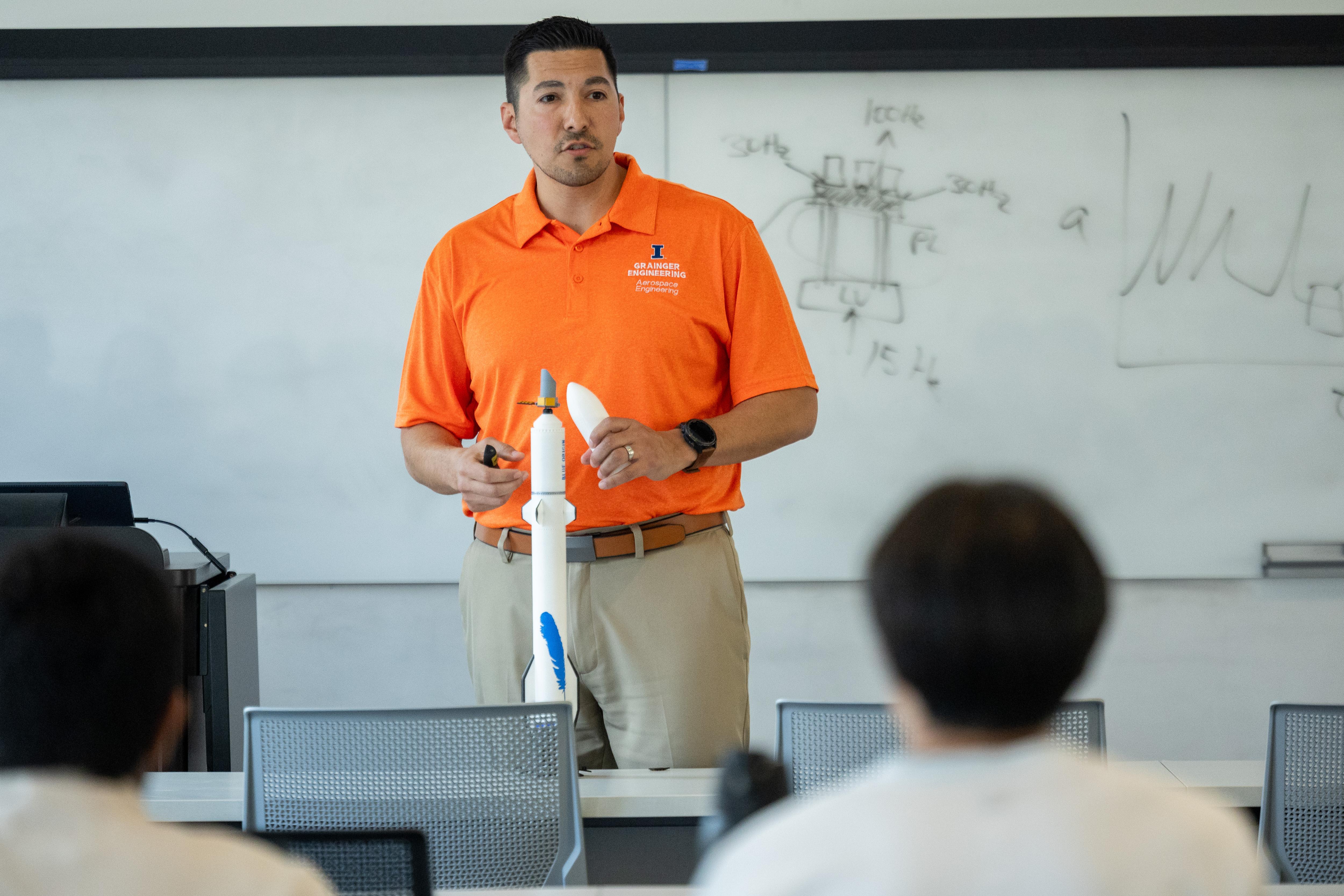

In the fourth grade, Joseph Gonzalez built a rocket.
Made out of a 2-liter soda bottle and powered by water pressure, the contraption wasn’t quite ready for the atmosphere. But that experiment in Gonzalez’s Little Village elementary school class made him realize he had aspirations far, far beyond his Southwest Side neighborhood.More than two decades later, Gonzalez just helped take astronauts around the moon. And still, he wants to go further.
Gonzalez played an integral role in Artemis II, humanity’s first lunar voyage in more than half a century that dawned a new age of space exploration earlier this month. For the historic mission, Gonzalez spent nearly 10 years helping develop the technology that ultimately made the expedition a success.
While he’s no longer part of the space program — having taken on a new role in recent months as an aerospace engineering professor for the University of Illinois at Urbana-Champaign — watching the culmination of his work has, in and of itself, been a full circle moment.
More than that, though, he’s been especially proud to bring the mission back to where, for him, it all started — in a classroom, sights set on the sky.
Since he started teaching in the fall, Gonzalez has made it a point to share his Artemis II experience with his students, giving lectures on the real-world application of the voyage and even taking a small group of undergraduates with him to see the mission launch live.
Now, with the expedition behind him, Gonzalez is keen to continue cultivating the next generation of explorers. He hopes to spread what he knows and what he’s done so more people strive to shoot for the moon (literally, perhaps). In fact, that’s something Gonzalez is still aspiring for himself.
Over the next couple of years, he’ll be applying to become an astronaut.
“If we don’t try the things that scare us,” he said, “then we’ll never grow.”
Tapped for space
Gonzalez had just started his first job at Boeing when he got tapped for the Artemis program back in 2016. He went to work for the traditional aerospace company, which has been a partner of NASA’s since the Space Race, after earning his doctorate in aerospace engineering at U. of I. (through the same department where he’s now a professor).
Taking his work lunar was an opportunity born out of budget cuts. Gonzalez had been leading a different project at Boeing but amid industry challenges, the venture was slashed. In its absence, Boeing offered Gonzalez another position more in line with his aerospace background. It was with Artemis.
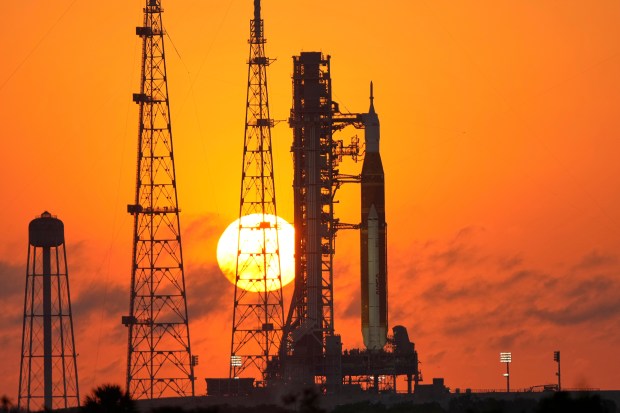
The Artemis program is NASA’s blueprint for the future of space travel. Through a series of missions, it seeks to bring humanity deeper into space and build toward establishing a permanent lunar presence, according to the National Air and Space Museum. NASA completed its first Artemis mission, an uncrewed flight test of its new moon rocket known as the Space Launch System (SLS), in 2022.
This month marked the second. Artemis II, which launched April 1 and splashed down nine days later, took three Americans and one Canadian on a record-breaking flyby of the moon. With the lunar cruise, the Artemis astronauts set the record for the farthest distance humans have ever traveled and revealed swaths of moon never before seen by human eyes.

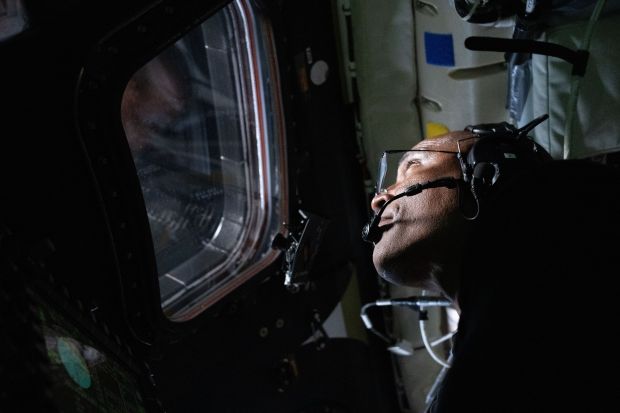
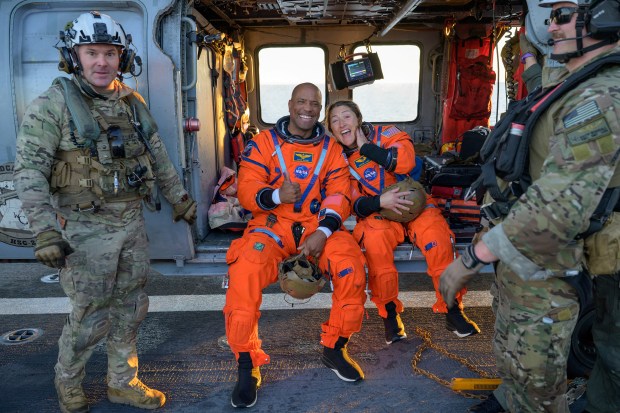
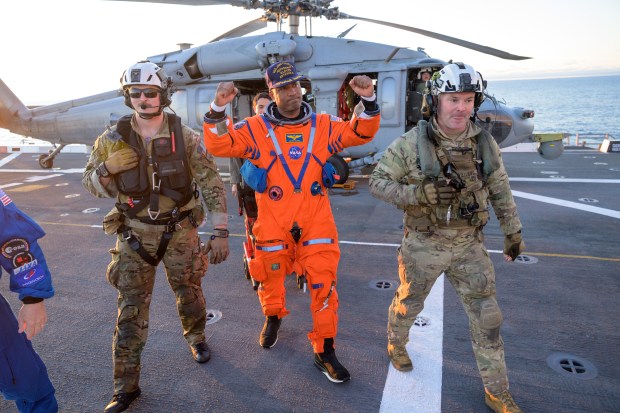
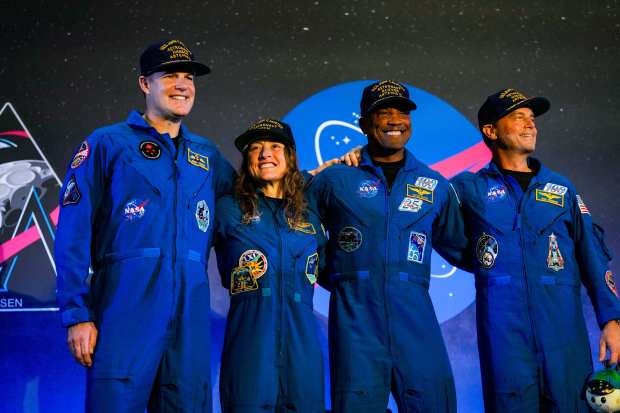
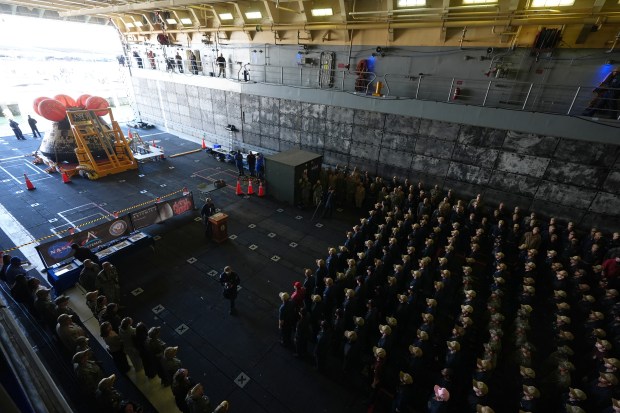

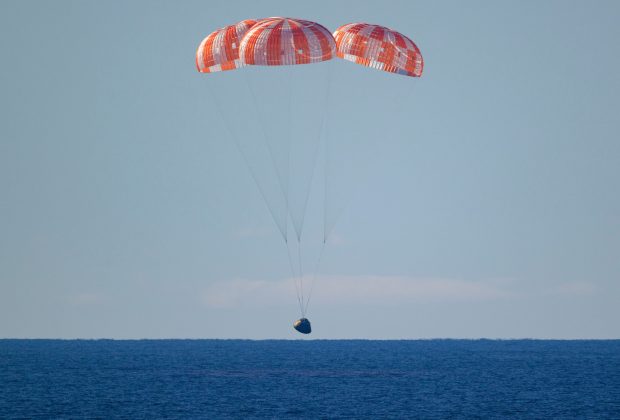
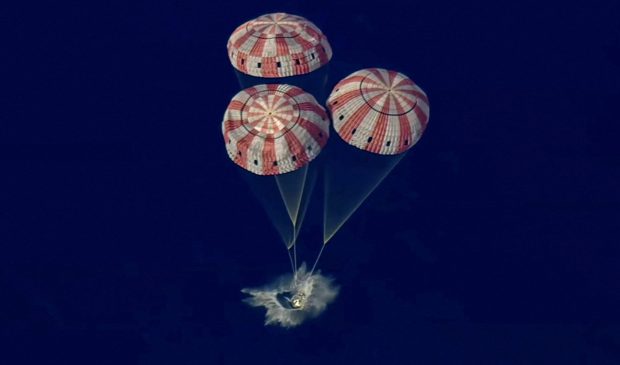
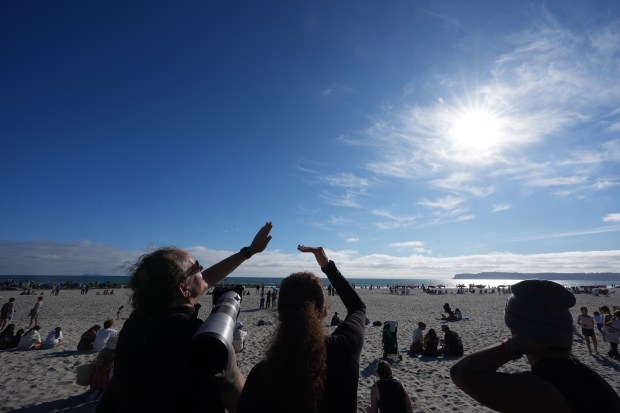
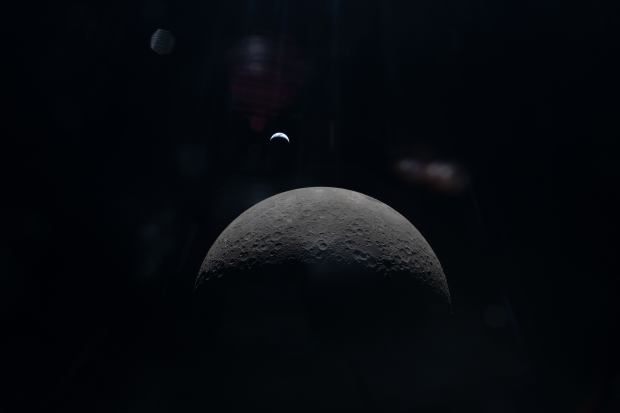

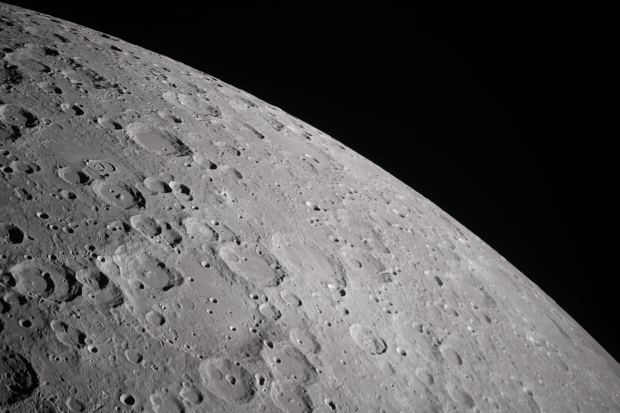

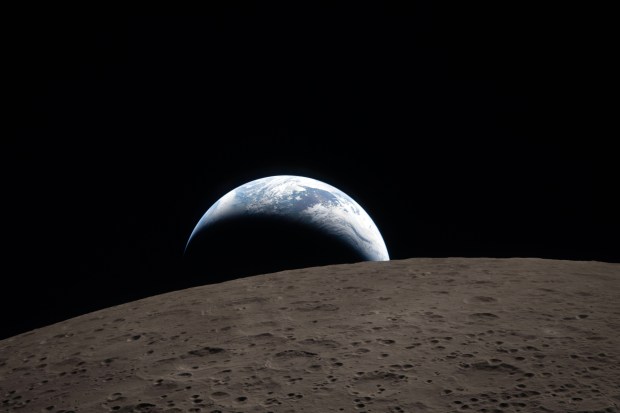
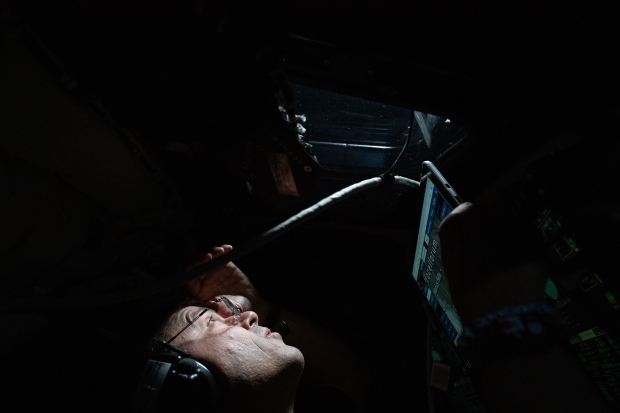

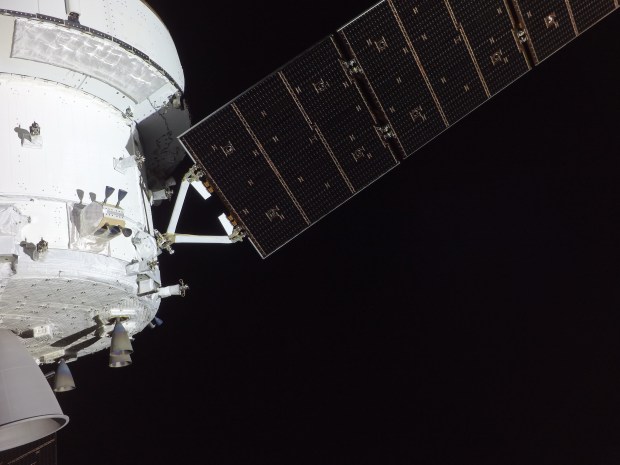
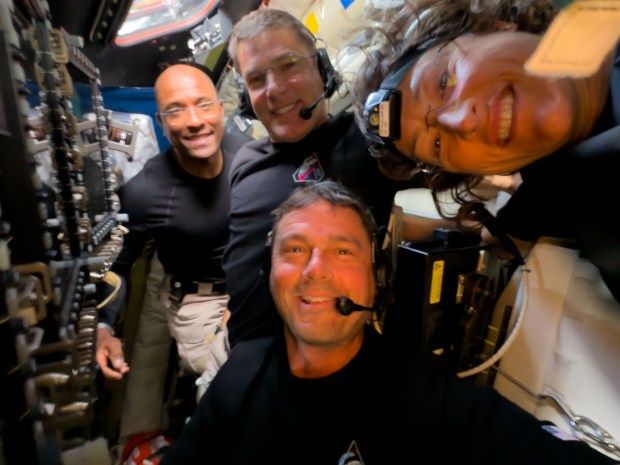
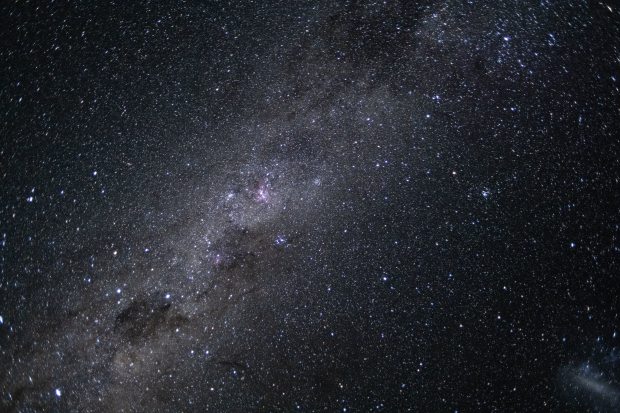


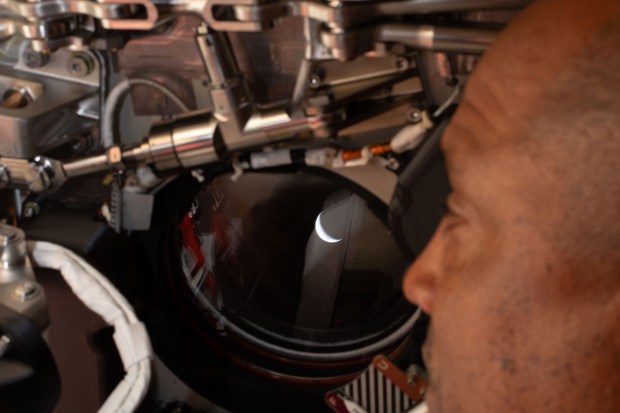
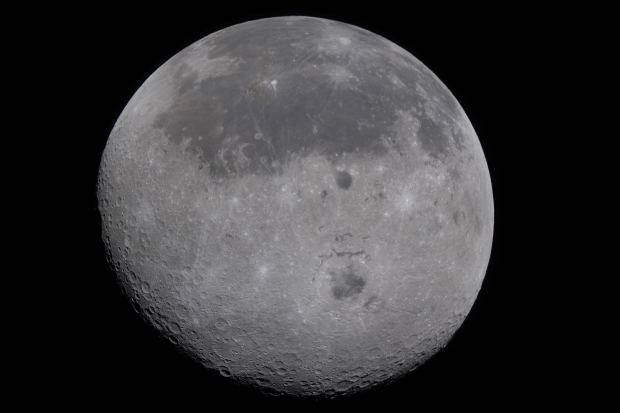
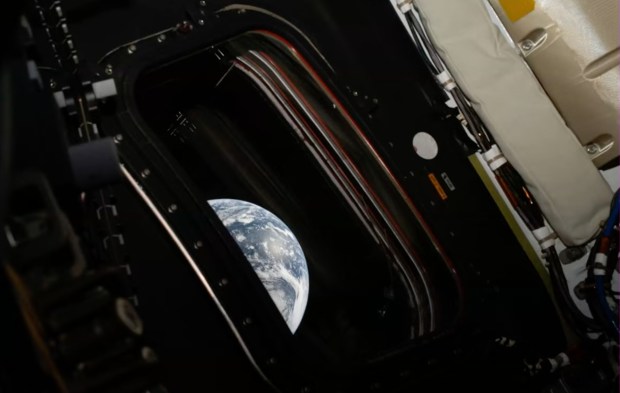
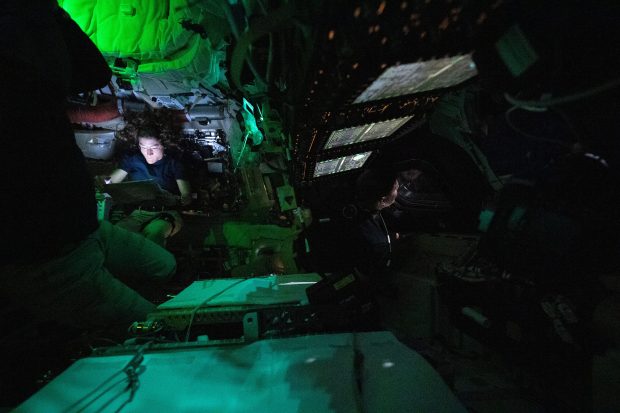
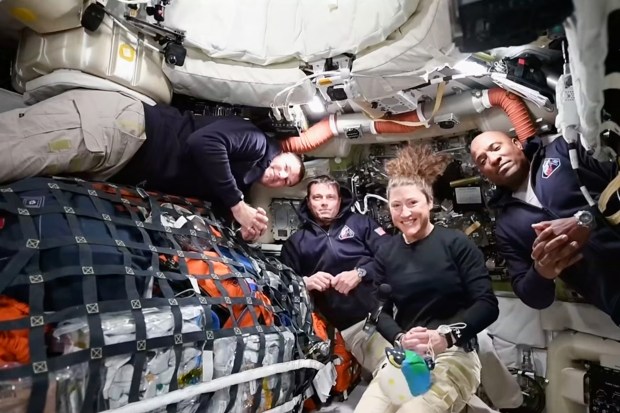
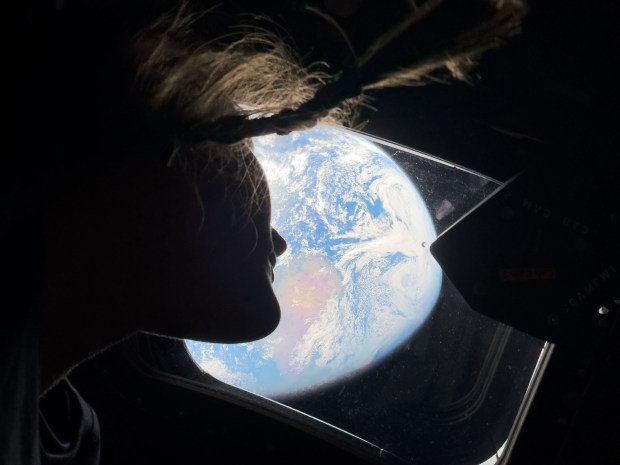

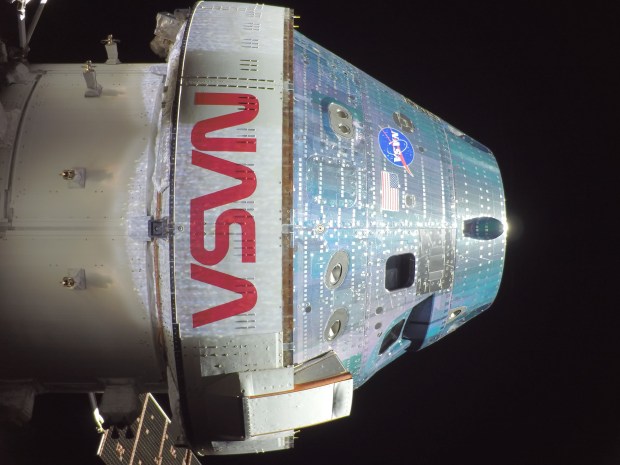
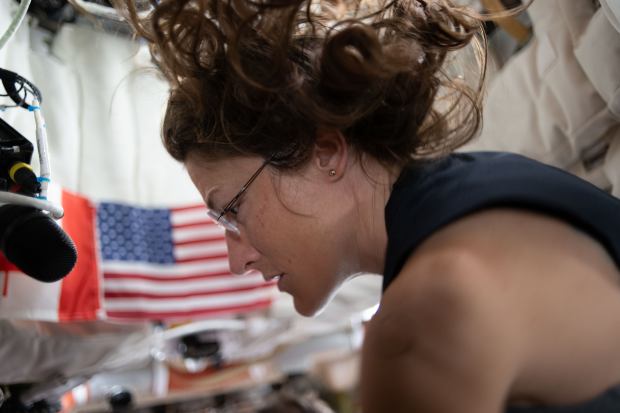
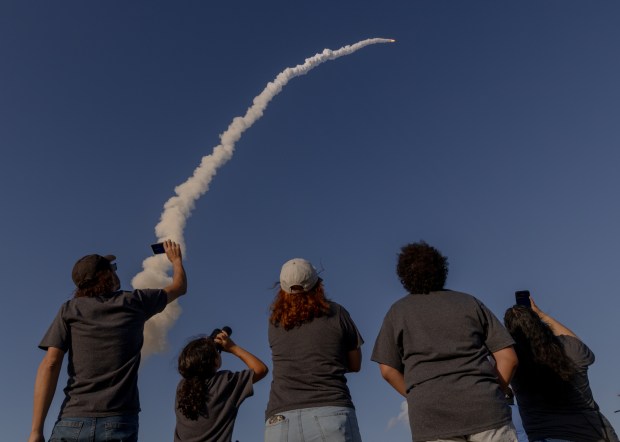
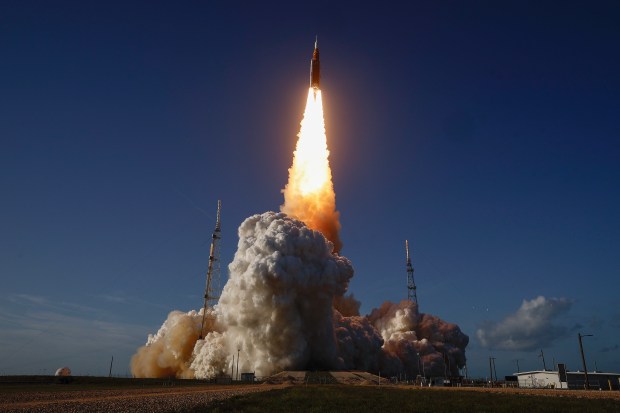
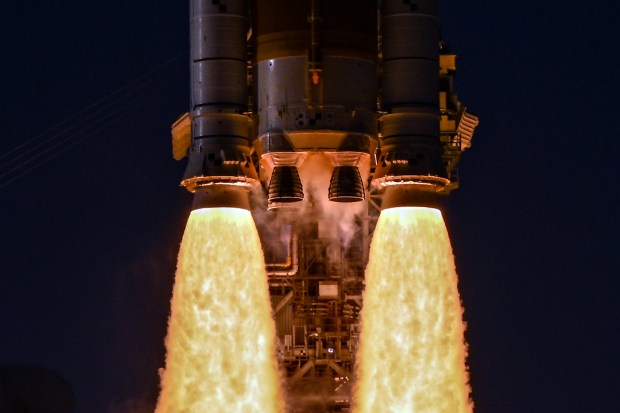
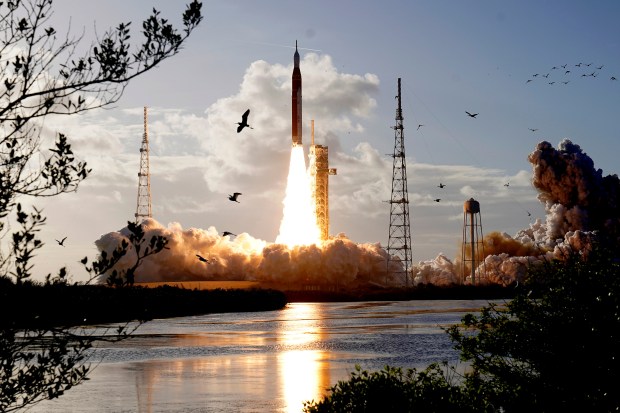


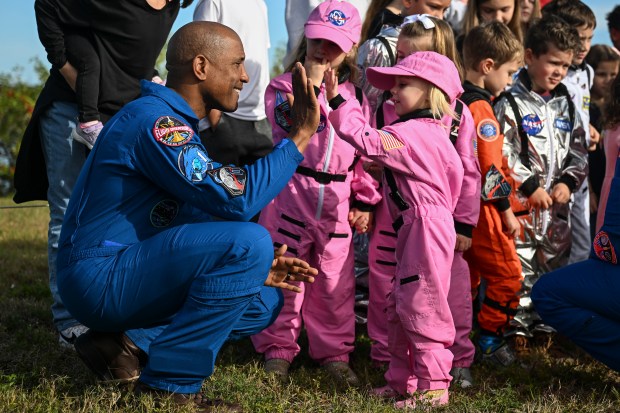


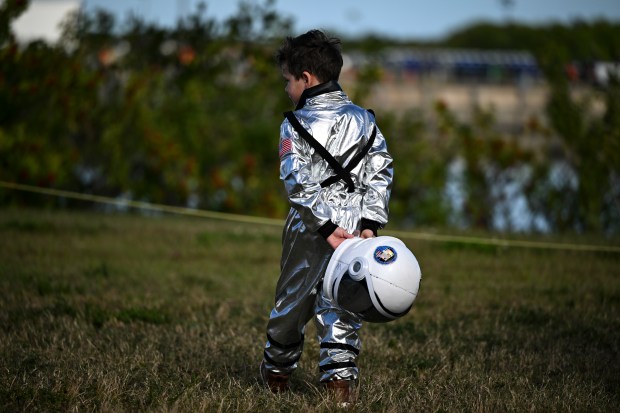

The voyage also drummed up revelry in humanity’s push to breach the unknown not seen in years. The crew, and what they captured, awed the world.
When Gonzalez started working on the Artemis campaign, sending people back to the moon wasn’t even remotely on his radar. He knew that was the eventual goal, but it didn’t seem real until the second mission was on the table.
“I was just super excited to be a part of it,” he said. “I was focused on my job and … delivering what my responsibilities entailed.”
His contributions varied. Broadly, Boeing was the primary contractor behind the Space Launch System rocket. As part of that effort, Gonzalez had a hand in everything from testing the rocket’s main propulsion systems to production. In the latter half of his tenure, he was a systems engineering manager with several different teams under his direction. He also served on the chief engineering board for the program.
He loved it. Certainly, the process wasn’t without its challenges. The last few years were especially hard, between mass layoffs at Boeing and looming federal budget cuts to NASA. But knowing the load he and his teammates had to carry to see the mission through makes the end result all the more gratifying.
So does knowing the accomplishment was years — more than the near decade he spent on the Artemis campaign — in the making.
‘He did it’
When he was little, Gonzalez always wanted a telescope, his mom, Maria Gonzalez, told the Tribune.
“He wanted to see the stars,” she said.
The oldest of four, Gonzalez grew up about a mile and a half away from La Villita Park. He went to elementary school at Maria Saucedo Scholastic Academy, today known as Saucedo STEAM Magnet, and from an early age, had two ideas of what he’d do when he got older: play baseball or be an astronaut. (By the time he got to college, he had said goodbye to the former, but Gonzalez credits his involvement in sports as pivotal to getting him where he is today — space exploration takes a team, he says.)
Wanting to be an astronaut when you grow up is the quintessential kid experience. But Maria Gonzalez remembers her son would often talk about going up to see the planets.
“I was like, ‘Oh yeah, you could do it. … Whatever you want to do,'” she recalled.
Her son’s aspirations were his to decide, she said, as long as he had an education.

Maria Gonzalez didn’t finish college. She’d once imagined becoming an engineer herself but married young. Life took her in a different direction. So when it came to her kids, she wanted to ensure they had the access and support to pursue their ambitions, whatever they were.
At times, Gonzalez’s parents worked multiple jobs to make that happen. Gonzalez went to Brother Rice High School, a private college prep school on Chicago’s South Side. On top of his PhD, he earned his bachelor’s and master’s degrees in aerospace engineering, also at U. of I.
“I made sure they studied and didn’t have to work,” said Maria Gonzalez, who still lives in Little Village. “I’d rather have worked myself before they quit, you know.”
It’s hard to express how proud she is of her son, of all her kids, she said. She’s still in disbelief that Gonzalez helped build a rocket for NASA. And when she saw her son’s work take flight, she cried.
“He did it,” she said.
Though it wasn’t him on the rocket, Maria Gonzalez made sure to remind her son that he was making history, too.
“Your soul, your spirit is going with it,” she recalled telling him, “and those astronauts are gonna make it back home because of you and everybody that worked on this project.”
Setting an example
Choosing to leave the Artemis program was hard, Gonzalez said. When he first got the call that there’d be an opportunity to teach at his alma mater in late 2024, he turned it down. But a few months later, he reconnected with the school.
Gonzalez knew he’d someday take a step back from the industry and teach, but he’d always imagined it’d be when he was closer to retirement and at a community college. He figured, though, there was no harm in exploring.
What followed were a series of interviews with the school and conversations with students that made Gonzalez realize just how much he’d learned in his career so far and how much he could pass onto newcomers to the field.
“If I can leave a footprint on this Earth, in terms of my ability to influence and teach people and put them on the right course for their future careers — whether they work on space programs or not — I … felt that that was my new purpose,” he said.
The past few weeks alone have been a testament to his choice.
Ahead of the Artemis II launch, Gonzalez and seven of his students packed into a car and drove 16 hours to the Kennedy Space Center in Florida. Together, they watched the rocket go to space.
Gonzalez enjoyed the launch, he said. He enjoyed it even more with his students there.
“To be able to share that launch with the students and talk about concepts that we’re covering in my classes right now, for them to … physically see it, to be close to it — that was a super special moment,” he said.
The feeling’s mutual.
Seeing Artemis take off with his professor was one of the coolest moments, if not the coolest, of U. of I. senior Zach Dahhan’s life.
“We were all obviously awestruck,” the 21-year-old said, “but just the emotion (that) had taken over him. … He’s absolutely passionate about the work he’s done.”
Dahhan, who will graduate with his bachelor’s degree in aerospace engineering this spring, came away from the experience with a rekindled passion for rocketry.
“You can get lost in the classes and … discouraged sometimes,” he said, “but it always is such a great reminder to see what you’re working towards.”
Gonzalez remembers, as a kid, feeling isolated in his affinity for space. No one around him seemed to resonate. He chose to come back home, in part, to bridge that gap.
“(I want to) create opportunities to show kids going through the school system that hey, this is possible,” he said.
Next month, he’ll be giving the keynote speech at Saucedo STEAM Magnet’s eighth grade graduation.

It’s been encouraging, Gonzalez said, to see interest in space surge through the Artemis II launch. There’s more to come. Next year, NASA plans to move forward with Artemis III, which will test docking maneuvers in Earth’s orbit. The following year is the fourth and final mission in the campaign: moon landing.
Gonzalez worked on those rockets, too. Once he’s settled into teaching, he intends on going back to help with the program as an external consultant.
“I believe in the program,” he said. “I believe in the mission.”
So much, he’s determined as ever to get to space. Already, Gonzalez has applied to be an astronaut three times. And while he hasn’t been selected yet, he’s on the lookout for the next time NASA asks for candidates. To better his chances, Gonzalez has tried to bolster his resume with astronaut-adjacent skillsets: He scuba dives, for instance, and has acquired his private pilot’s license. Turning 38 in a few weeks, Gonzalez ventures he has one more chance to apply.
He’s up for the challenge.
The Associated Press contributed.


