
Chicago aldermen advanced a plan Tuesday to slow planned raises for workers like waiters making a subminimum tipped wage, shortly after Mayor Brandon Johnson vetoed an effort to completely block the increases.
The change to the city’s “One Fair Wage” ordinance would halt the raises for two years in larger Chicago restaurants, while making workers in smaller restaurants wait four years for the pay bumps.
The deal delivers a blow to the victory Johnson claimed just last month when he vetoed a City Council majority that had voted to pass an indefinite freeze — and likely sets up future showdowns over the raises for tipped workers.
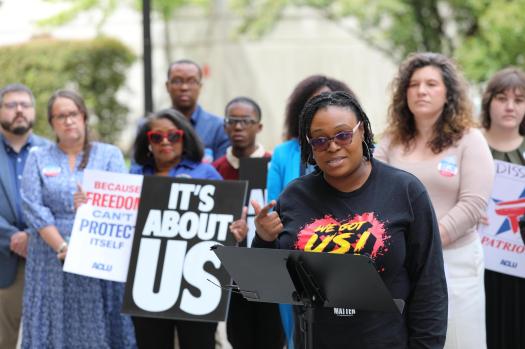
“It’s hard to believe that this is a fully settled matter,” chief sponsor Ald. Walter “Red” Burnett, 27th, said after the City Council workforce committee aldermen approved the change in a voice vote. “But it gives us time to protect workers.”
Burnett argued “most people are comfortable” with the compromise deal. During Tuesday’s meeting, both the Illinois Restaurant Association and One Fair Wage national campaign told aldermen they believed the change was acceptable, but made it clear that they were not happy to settle.
The change is “not ideal” for restaurant owners, Illinois Restaurant Association President Sam Toia said.
“But it is more workable and less harmful than the following, current phase-out,” Toia said. “It gives the industry more time to adjust and better manage increased labor costs.”

The ordinance currently in effect, passed by a 36-10 City Council majority in 2023, has already raised subminimum wages from $9.48 an hour to $12.62. If nothing changes, the annual raises would eliminate the subminimum wage in 2028.
But with aldermen slated to take a final vote on the freeze next Wednesday, the next such raise, slated for July 1, now appears unlikely to move ahead.
Aldermen voted 30-18 to freeze the tipped wage increases in March, but failed to overcome Johnson’s veto in April. They voted 30-19 to overrule the veto, short of the needed 34-vote supermajority.
By halting the pay raises for only two years, proponents of doing away with them entirely hope they can win over at least four more aldermen to secure a veto-proof majority, or win support or neutrality from Johnson.
With the entire City Council on the ballot next year, the Restaurant Association will likely put money behind trying to flip a few seats now held by progressive allies of the mayor to aldermen who will instead vote against him on the contentious issue.
And if Johnson loses reelection, a new mayor — and one unlikely to side as heavily with progressive labor organizations — could play a major role in any efforts by Toia’s restaurant industry group to preserve subminimum tipped wages.
For his part, Johnson took credit for the compromise Tuesday. Spokesperson Griffin Krueger released a statement saying the mayor’s veto “inspired all sides of this issue to come together around a compromise that preserves the phaseout and the security it has brought tipped workers while addressing legitimate industry concerns around the immediate impact of global instability on business costs.”
Johnson’s administration did not appear to play a key direct role in negotiations of the compromise advanced Tuesday, however.
Toia and other opponents of the forced raises have argued increased labor costs are forcing small businesses to close. He has reiterated that restaurant owners are required to make up the difference between the lower rate and the city’s minimum wage when tips do not bridge that gap.
But One Fair Wage President Saru Jayaraman argued the restaurant industry is home to rampant wage theft, meaning tipped workers can’t always count on actually getting their tips. Her national organization “can live with” the compromise ordinance, but it will freeze wages “for the lowest-wage workforce in Chicago in the midst of the greatest cost-of-living crisis in United States history,” she said.
An earlier proposal cited by both Burnett and Toia would have guaranteed tipped workers a wage at 124% of the city’s minimum, but allowed restaurants to count tips toward that amount. But Jayaraman said her side would reject any option that “doesn’t ultimately get us to a full minimum wage.”
“If we are going to agree to this substitute, this has to be the end of the conversation,” she said. “You should not have to continuously relitigate something that the city has already agreed is the right thing to do.”
Ald. Jessie Fuentes, 26th, the chief City Council proponent of eliminating the subminimum wage, told the committee negotiators reached the deal at midnight Monday.
“I don’t know if workers are going to read the news this evening and be happy, but I do know that we are committed to phasing out the subminimum wage,” she said before the vote.
Later, asked if she trusts that opponents of eliminating the subminimum wage won’t try to do so before the freeze ends in 2028, she shared a simple answer: “I don’t trust anything.”
Multiple efforts to change the One Fair Wage policy were circulating when she decided to back the compromise passed Tuesday, she said.
“If folks want to relitigate it later, we’ll fight it,” she added.
Down the white-walled hall from Fuentes and outside the meeting room, Toia gave a careful but indirect response when asked if he would try again in the future to prevent the raises for tipped workers.
He repeated that he wished he “had a crystal ball” and said “communication is key” — equivocations that point to likely future legislative battles over the One Fair Wage campaign.
“We will always support tip credit, and I would always rather be at the table,” Toia said.