

Men and women who were brought to the United States as children are at risk of being deported by the Trump administration as federal officials delay processing their immigration paperwork, creating backlogs that are causing people to lose their jobs and fear deportation, federal officials and advocates said this week.
The government has been slower to approve renewal applications for the Deferred Action for Childhood Arrivals program, which provides a work permit and protection from deportation. The issue, first spotlighted by the Tribune earlier this year, emerged as the focus of a Senate spotlight forum on Capitol Hill on Tuesday morning.
“Let’s be clear — the cruelty is the issue here,” U.S. Sen. Dick Durbin said during the opening remarks of the forum. “These are people who have lived in the U.S. for years, graduated alongside our kids, married and had their own U.S. citizen children, and are good contributors to our community.”
More than 260 “Dreamers,” or children who were brought to the U.S. at a young age and stayed under the Obama-era Deferred Action for Childhood Arrivals program, were arrested by the Department of Homeland Security in 2025, according to a Feb.11 letter from former DHS Secretary Kristi Noem to Durbin, which he referenced in the May 12 focus hearing.
Of those individuals, at least 86 were deported from the U.S. to countries where the “Dreamers,” now adults, may have no familiarity. In the letter, Noem said 241 of them had criminal histories, which the Tribune was unable to verify.
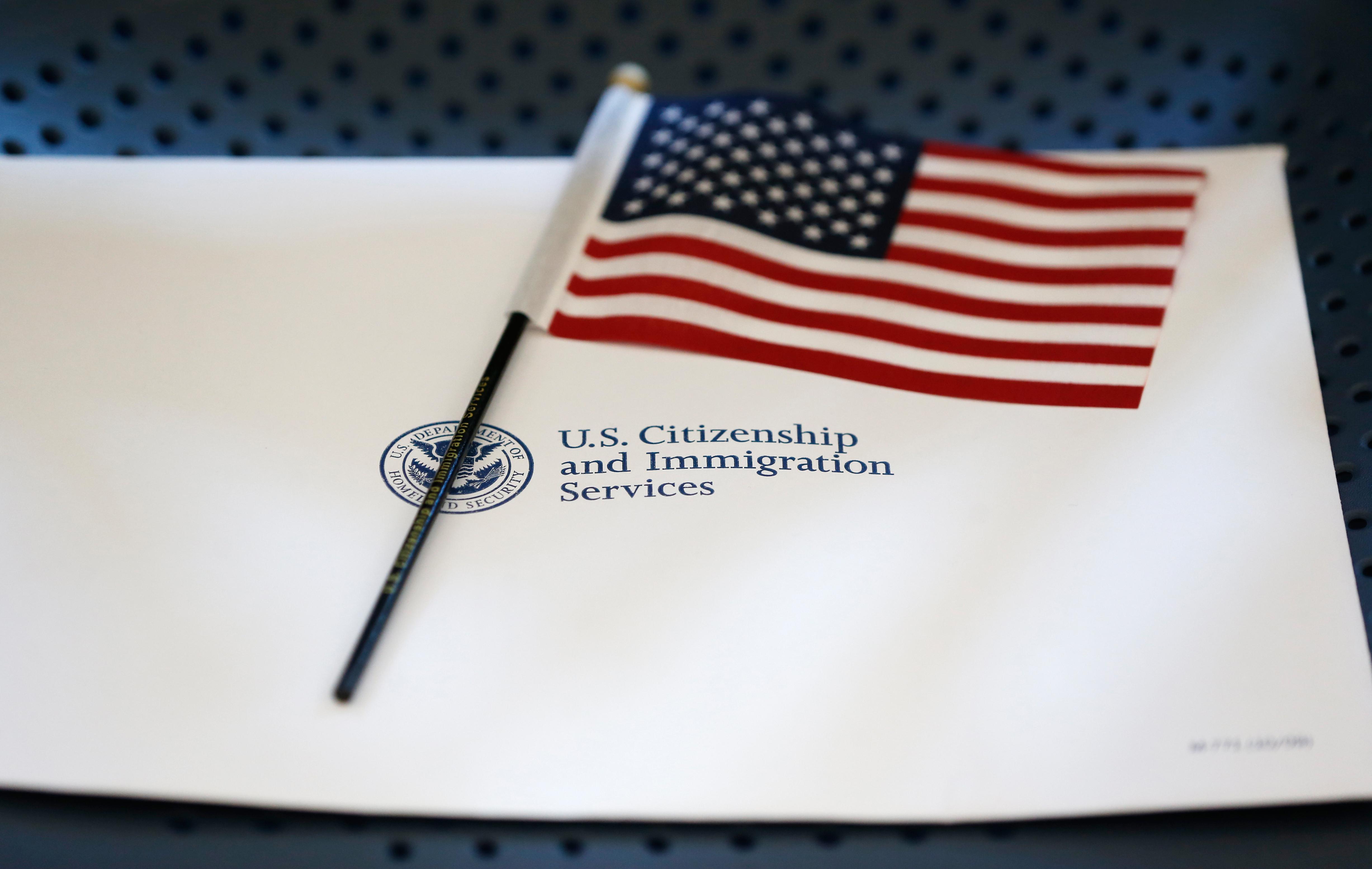
DACA went into effect in 2012 under President Barack Obama’s administration. While the program remains in effect, work approval delays are causing some individuals’ legal status to lapse. “Dreamers” protected under DACA need to reapply for authorization every two years, according to U.S. Citizenship and Immigration Services.
Additionally, USCIS is not processing any new applications for DACA-qualifying individuals at this time, though applications may be submitted, per a 2025 U.S. Court of Appeals ruling.
“I’ve had DACA for more than 14 years; DREAMers know to renew 150 days early, and now we are anxious in a way we’ve never been before,” Erendira Rendon, vice president of immigration at The Resurrection Project, said in a statement. “Because this time, if it lapses, you don’t just lose your job; you risk getting detained. DREAMers are teachers, firefighters, and neighbors who’ve built our lives here. This isn’t a backlog; it’s a quiet attack designed to force us back into the shadows, but for us, there is no going back.”
Growing delays are leaving many immigrants, like Little Village resident Elizeth Arguelles, 31, trapped with uncertainty. She is one of nearly 30,000 DACA recipients in Chicago and more than 450,000 nationwide.
“As if I have to renew my subscription to the United States every two years, even though I’m a full American,” Arguelles said.
Arguelles has lived under DACA protections for about eight years. She was brought to the Chicago area when she was just 8 years old. Thanks to the program, she graduated from Dominican University and now works as an HR specialist.
But next week, she faces another renewal appointment, one she scheduled nearly six months before her permit expires in December because of mounting fears over delays.
“In the past, it would only take two to three months to renew,” she said. “Now we hear it can take six or seven months.”
USCIS itself acknowledges some delays. Processing of DACA renewal applications took just half a month in 2025, according to the DHS subsidiary. Today, the renewal process takes an average of four months, or around 120 days. And, for many still waiting, the process has taken much longer.
“Delays do not just cost people their jobs; they disrupt entire communities and families, said Gaby Pacheco, president and CEO of TheDream.US, a nonprofit supporting college and career success for DACA recipients.
The toll of the delays is not only causing upheaval to DACA recipients, but also the Chicago businesses that employ these men and women, according to Rebecca Shi, American Business Immigration Coalition CEO, who testified at the May 12 Senate focus hearing.
“For our employers, the uncertainty surrounding DACA has become an operational nightmare,” Shi said. “Bureaucratic delays at Homeland Security have reached a breaking point, forcing businesses to advise employees to begin renewals nine months in advance.”
These holds and delays expose DACA recipients, like Arguelles, to losing their jobs and face the possibility of deportation. Through the uncertainty, Arguelles remains resilient and hopeful for her future here.
“I have to stay positive [about renewal],” she said. “Regardless of whatever happens, I need to pay my bills. Worst comes to worst, I’ll sell tamales.”
Arguelles learned to make and sell tamales when she was just 9 years old, helping her mother on the streets of Chicago. Years later, those same tamales helped pay her college tuition and made her a well-known community leader and advocate for street vendors across Chicago’s Southwest Side.
“Under the leadership of President Trump, USCIS is safeguarding the American people by more thoroughly screening and vetting all aliens,” said USCIS spokesman Zach Kahler. “DACA does not confer any form of legal status in this country. Illegal aliens claiming to be recipients of DACA are not automatically protected from deportation. Any illegal alien who is a DACA recipient may be subject to arrest and deportation for a number of reasons, including if they committed a crime.”
The issue with DACA renewals has roiled lives across the country, including in Illinois. Victor Jardon-Reyes, a DACA recipient in Chicago, lost his job in February through no fault of his own after the Trump administration failed to process his application.
As of Wednesday, Jardon-Reyes has been waiting 169 days for his renewal to go through. To pass the time, he is currently finishing college classes for a Bible studies degree.
“I’m feeling uncertainty with all this,” he told the Tribune on Wednesday.