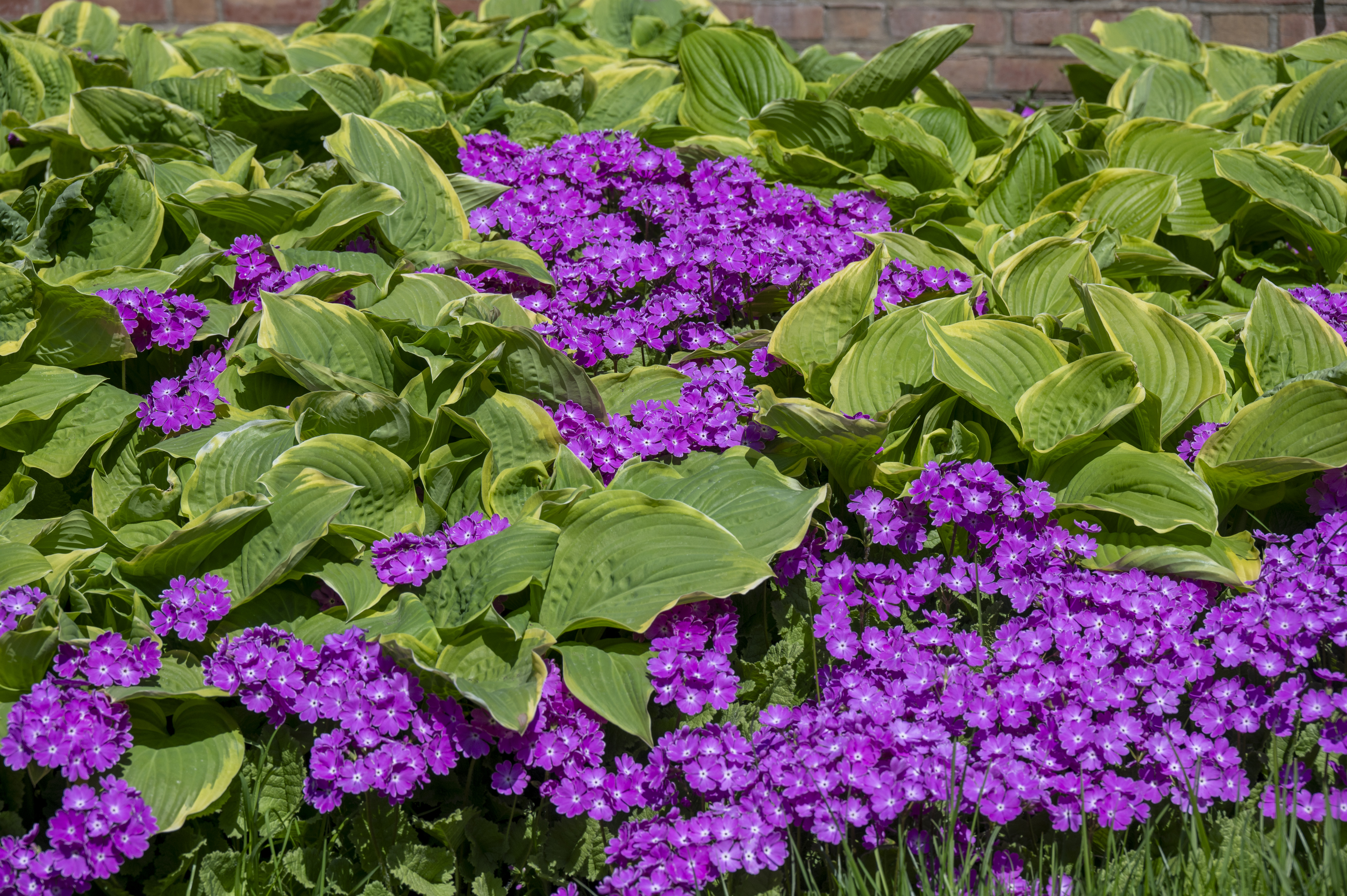

We have had good results growing hostas on the north and east sides of our house. Since hostas are easy to grow, we hope to add some in a southern area of the garden that gets mostly full sun and we’d like some advice on varieties that we can plant.
— Charlie Nelson, Itasca
I also have used a lot of hostas in my garden. We chose them for their ease of maintenance and color they add to the beds. Some of my hosta receive a good amount of sun with shade in the morning and filtered sun in the afternoon. Hostas — with many varieties to choose from — are great plants for a low-maintenance garden. They are considered shade-tolerant plants, but most will not thrive in deep shade. A sign of too much shade is reduced growth and thin-looking plants that do not flower well. Many hostas are more vigorous and show their best colors when given some exposure to sun (such as morning sun with afternoon shade). Late-afternoon sun is also usually fine. Full-sun in the morning is less intense than full-sun in early afternoon, so one variety may perform well with the morning sun and burn in the afternoon sun. Symptoms of too much sun include browning at the outside edges of leaves and dull, bleached or faded colors. My blue hostas at home became stunted, more green than blue and burned at leaf edges after the removal of a tree increased the afternoon sun. The change in the plants’ appearance was dramatic.
I would not normally consider hostas for a hot and likely dry, full-sun, southern exposure. You should be prepared to do some trial and error with different varieties and be willing to provide extra water during dry spells to keep them going. Look for hosta that can tolerate versus perform well in the full sun. In general, blue-leafed hostas require shade, while those with fragrant flowers, white variegation, or gold and yellow foliage can tolerate more sun. On the other hand, white variegated hosta with extensive white coloration or with thin leaves are likely to burn in full sun. I have seen a large planting of what I believe to be Francee hosta planted in full sun in a bed along a parking lot for a public swimming pool that is doing OK considering the site. These hostas start to look stressed during dry periods and later in summer when conditions become more consistently hot and dry.
In general, hostas with yellow foliage or fragrant flowers are the most sun tolerant. Consider trying the following hosta for your garden: yellow foliage: Sun Power, Gold Standard, First Frost, Gold Regal, or Regal Splendor; fragrant flowers: Guacamole, Royal Standard, August Moon, or Fragrant Bouquet; white variegation: Francee or Patriot. If the hostas you try start to decline with the southern exposure, these tough plants are easy to move to a more suitable, shaded location.
For more plant advice, contact the Plant Information Service at the Chicago Botanic Garden at plantinfo@chicagobotanic.org. Tim Johnson is senior director of horticulture at the Chicago Botanic Garden.