You might think that serious wine drinkers would never drink wine from a can. Canned wines, after all, are for beaches and baseball games, not for people with strong opinions about pinot noir or organic grape growing, right?
Despite a global slump in wine sales, canned wines and other ready-to-drink beverages have grown roughly 14% annually in the U.S. since 2019. The format has never been more popular, and a new generation of wines-in-can is giving skeptics something harder to dismiss — wines with real identity and origin.
Seriously easy drinking
Canned wines were always meant to be easy drinking, explains Andy Pates, founder and partner of Cream Wine & Spirits, the Chicago-based importer and distributor. More than the wine itself, their appeal was based largely on format and portability, he explains. “They’re the kind of wine you sneak into a movie, take to a picnic, or drink at your neighbor’s pool.”
The single-serving format poses far less of a commitment than an entire bottle — something that resonates whether you’re looking to portion control your drinking, or craving wine when your partner or friends have opted for something else.
Historically, the canned-wine category leaned hard into lifestyle over substance — bright, catchy labels doing the work for fairly generic wine inside, often sourced in bulk from unidentified producers.
But the category is changing. As more independent winegrowers making distinctive wines have caught on to alternative packaging, what’s inside the can has quietly become more interesting. Still fun, still easy, but with more flavor differentiation, more story, and better farming behind them, too.
Size matters
Perhaps ironically, canned wine may have become more attractive as serving sizes got smaller, explains Pates. When the category first emerged decades ago, many wines came in 12-ounce cans, the same size as a can of soda, but also roughly half a bottle of wine. “People didn’t realize how much wine that actually was,” says Pates. “And they were getting blitzed.” Today, the standard has largely shifted toward smaller 250 ml cans, a third of a standard wine bottle — a format better suited to easygoing drinking without the excess.
The single-serving portion is central to the appeal, echoes Melissa Zeman, owner of BottlesUp!, the retail wine store in Lakeview. They’re the perfect format for customers heading to the lake or to local BYOB restaurants, but also, “people come in and they’re like, I just want a good glass of wine while I’m getting my nails done,” she says.
Canned wine grows up
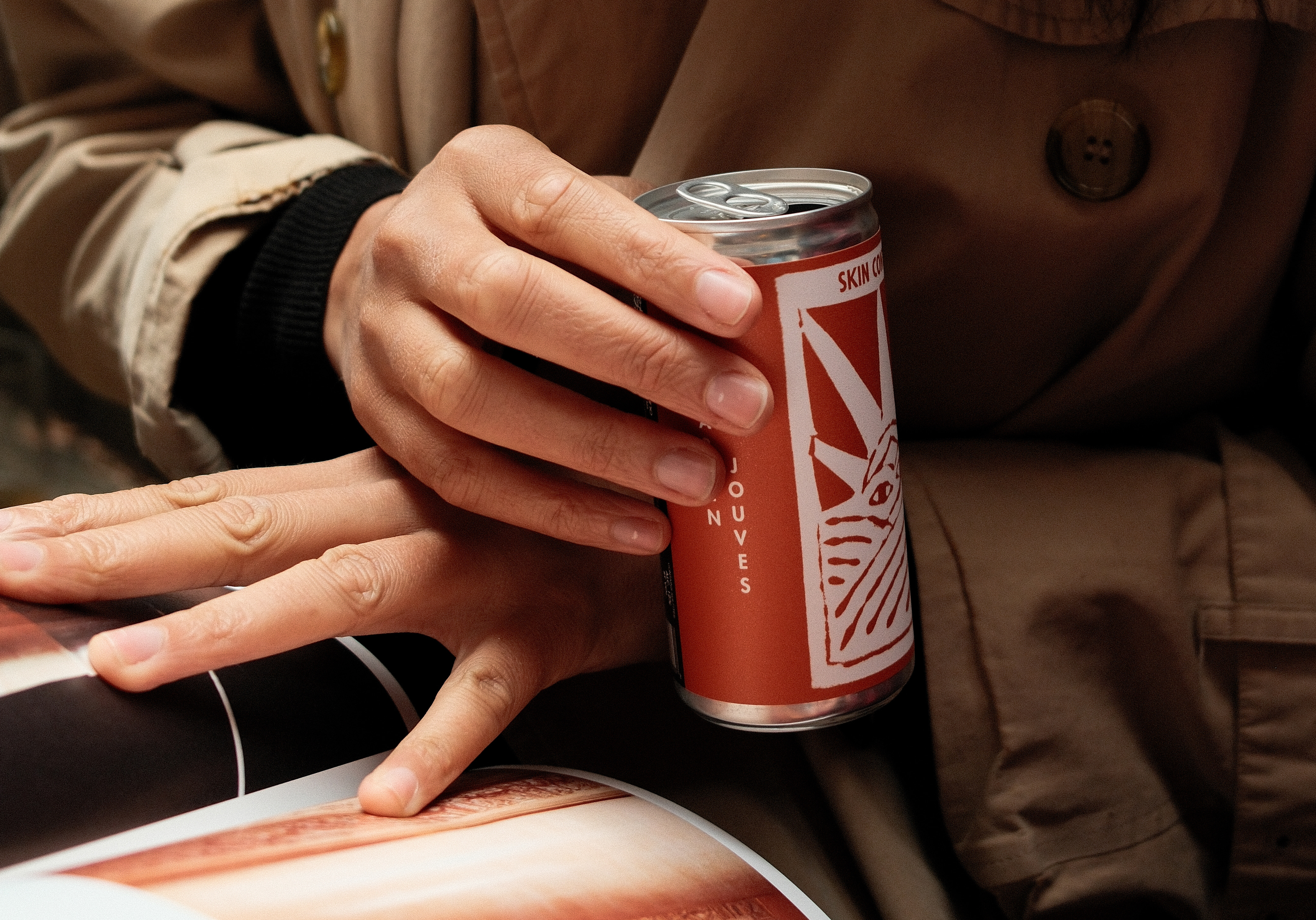
The most compelling canned wines today share a common thread — they come from wineries that were making great wine long before they thought about a can. The best use their own estate fruit, or fruit sourced from specific growers and vineyards rather than bulk wines, and reflect a genuine commitment to better farming practices. They also push well beyond crowd-pleasing reds and whites to skin-contact orange wines, pét nats and varietal blends you’re unlikely to find in a convenience store cooler.
Zeman carried Gulp Hablo, the highly quaffable Spanish wines from Bodegas Parra Jiménez in La Mancha, for years before they released the same lineup in cans — a white verdejo, rosé garnacha, skin-contact orange and chillable red. “They’re fantastic bang for your buck,” she says, but stand out in the canned wine landscape for their commitment to organic and biodynamic farming practices.

Pates’ best sellers include a line of sauvignon blanc, pinot noir, and rosé from Prisma in Chile’s coastal Casablanca Valley, a side project of Ricardo Baettig, the director of winemaking at Viña Morandé, a titan in Chilean wine. “Chile in general doesn’t get the respect that it deserves,” says Pates. These wines, made entirely from estate-grown fruit, over-deliver, he says, offering ample fruit alongside more mineral, savory notes you wouldn’t typically expect from a can.
He’s also brought in Djuce, one of the buzziest wine-in-can brands today — a European project pairing some of the continent’s most compelling small-production winemakers with minimal carbon emission cans. Among its best known collaborators: Meinklang, a biodynamic producer in Austria’s Burgenland, known for both its deeply classical and highly experimental wines, and Azienda Agricola Cirelli, a certified organic producer of Montepulciano in Abruzzo.
For lovers of French natural wine, the Famille du Vin series offers what Pates calls “high-quality wines from some pretty natty producers” — among them Jean-Pierre Robinot’s delicately effervescent pét nat chenin blanc. There’s even something for the white Burgundy devotee — Chablis in can from Château de Béru, whose vineyards have been in the Béru family for 400 years.
Pricing, quality and style
At upwards of $10 a can, these grown-up versions of canned wines aren’t cheap, but they’re not cheap wines to begin with. Per ounce, and for the quality you’re getting, the value is hard to argue with.
Stylistically, crisp whites, rosés, and chillable reds tend to translate best. “They’re the kind of wines that, in a bottle, would be the glou-glou — very drinkable, fresh, crushable wines that benefit from chilling,” says Pates. Sparkling wines and spritzes are natural fits too, which is why even still wines in a can often carry a touch of spritz. “When you crack it, it should have that feeling and sound you get with beer,” he says.
Best canned wines to try now
Gulp Hablo Fresco chilled red (La Mancha) $6 at BottlesUp!: A unique blend of red and white grapes — garnacha, syrah, verdejo, airén and macabeo — it’s a light-bodied, crunchy sip made for chilling. “We have a lot of people asking for chilled reds these days,” says Zerman, “and this small-format option is perfect for picnic baskets and outdoor outings.”
Prisma sauvignon blanc (Casablanca Valley) $23 for a pack of four at Hops & Grapes: A unique hybrid of a fruit-forward, “almost California-style sauvignon blanc,” says Pates, but also with “a little bit of crunch and minerality without being aggressively grassy or herbal like a New Zealand sauvignon blanc.”
Prisma pinot noir (Casablanca Valley) $23 for a pack of four at Hops & Grapes: “It’s rare to find a new world Pinot Noir that actually has a savory component to it that isn’t super expensive,” says Pates. “This is just the right combination”.
Las Jaras WAVES red wine (California) $11 at BottlesUp!: The brainchild of winemaker Joel Burt and the actor Eric Wareheim, Las Jaras is a Sonoma-based project built around lively, expressive wines sourced from organically farmed, cool-climate sites throughout California. WAVES Red, a co-fermentation of zinfandel juice and merlot skins, rounded out with carignan and chenin blanc, delivers an intensely juicy core of black fruit, a whisper of tannin and just a touch of spritz for freshness.
Las Jaras WAVES white wine (California) $11 at BottlesUp! : This delicately spritzy white is a blend of chenin blanc and albariño, all organically grown and sourced from single vineyards. It’s a gorgeously juicy, freshly balanced white with just a bit of spritz on the tongue.
Famille du Vin Jean Pierre Robinot dry white (Loire Valley): Bright and plump, with waxy peach and pear flavors catapulted by a bracing spine of acidity, this 100% Loire Valley chenin blanc comes from Jean-Pierre Robinot — a legend of the region. A thrilling wine to find in a can.

Famille du Vin Château de Béru Special Cuvée dry white (Chablis): The first Chablis ever released in a can, this is floral and fresh initially, giving way to riper stone fruit and a touch of cream, with the salty mineral tang that is Chablis’s calling card. As good an introduction to chardonnay as expressed in Chablis as you’ll find anywhere, let alone in a can.
Djuce CoLab Meinklang Rosa (Burgenland) $12 at Anfora Wine Merchants: A blend of zweigelt, blaufränkisch and St. Laurent grapes, this fizzy rosé is reminiscent of Meinklang’s popular Prosa, a gently sparkling, or frizzante pinot noir produced in bottle. Rosa is bold in fruit, “but really savory too,” explains Pates, “like berry bramble but with an herbal edge backed with all these bubbles and energy.”
Djuce CoLab Meinklang Kontext (Burgenland) $12 at Anfora Wine Merchants: “I love orange wines with a bit of tropicality,” says Pates, “aromatic wines with tropical fruit flavors but without the sweetness, tempered by the tannins and savoriness that skin contact brings.” For anyone new to Meinklang, this is an ideal place to start.
Anna Lee Iijima is a freelance writer.