
After failing to advance similar legislation last year, Gov. JB Pritzker on Sunday pushed across the finish line a bill to limit cellphones in our schools.
Pritzker deserves credit for sticking with the issue. This sensible education reform, which takes effect beginning in the 2027-28 school year and applies across Illinois public and charter schools, is something to celebrate.
That’s because, first and foremost, limiting screen time is essential if we want kids to, you know, learn something in school.
We’ve long encouraged Springfield to pass this legislation. Screens in education are one factor increasingly under scrutiny as educators and parents search for explanations for this generation’s academic struggles, which became most pronounced during COVID-19 but have lingered even after years back in the physical classroom.
As a reminder, all is not well in too many Illinois classrooms. Just over half of students in grades three through eight met reading standards as of last year, while fewer than 4 in 10 high schoolers reached proficiency in math on the Illinois Assessment of Readiness and ACT exams. Phones, of course, are not the sole reason for these issues, but allowing kids to carry smartphones around at school all day is not helping matters.
For those parents worried about losing access to their student, take note: This is a “bell to bell” ban on phone use for elementary and middle school students, meaning no phones during the entire school day. High schoolers can check their phones during lunch or breaks if a district decides to allow it. And there are exceptions for students who require devices for medical needs, English learners or kids who need them to fulfill an individualized education program.
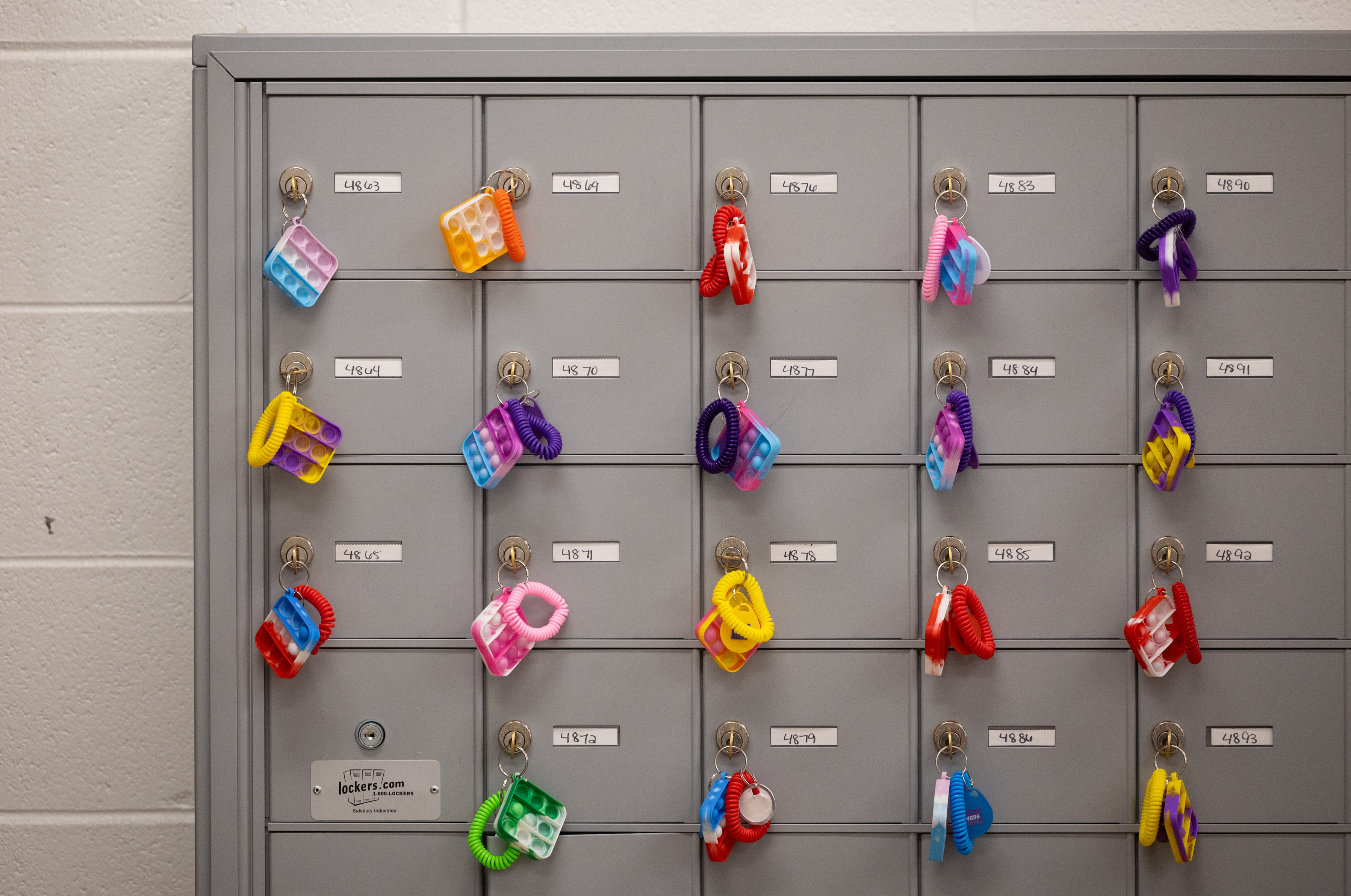
One fair critique is that this is an unfunded mandate on school districts. That’s because to comply with these requirements, schools will have to develop systems for storing phones during the school day, which can carry real costs. For example, Elgin-based School District U-46 spent more than $170,000 last year on 6,625 phone-storage pouches and the accompanying 120 magnetic bases needed to lock and unlock them, the Tribune reported.
Unfortunately, this is an essential investment in education in an age where nearly every high schooler has a smartphone.
Analog learning — good old-fashioned pencil and paper — is superior for long-term memory and eliminates the temptation to multitask, leading to deeper conceptual understanding. Research shows that writing on something other than a keyboard has many benefits for younger students, especially kids learning to read, triggering mental connections that make it easier to pick up this essential skill. Typing is faster, but handwriting hammers home lessons and facilitates deeper learning.
The phones are a nuisance and an obstacle, plain and simple.
Schools can’t eliminate every distraction, but they can deal with this one.
Submit a letter, of no more than 400 words, to the editor here or email letters@chicagotribune.com.