
What a difference 50 years makes.
The country that commemorates the 250th anniversary of the signing of the Declaration of Independence in July will be a radically different place than the country that celebrated a ubiquitous bicentennial in 1976. Of course it will. But one part of that commemoration will not change: The yearning of everyday Americans to understand their nation’s stories. Certainly, publishers hope so; their summer catalogs are thick with American history and an emphasis on the founding figures, the first century — the A-list.
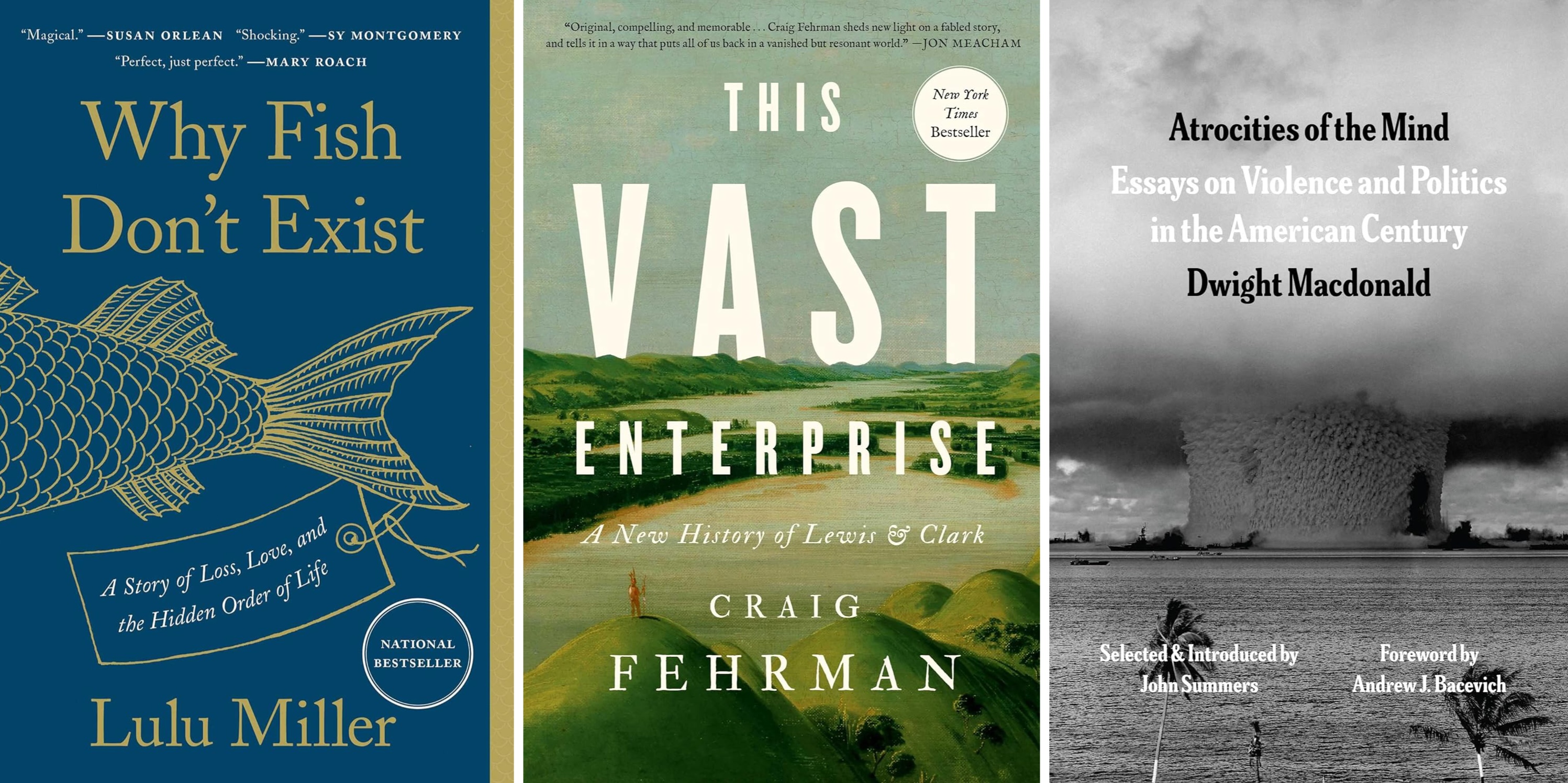
For a fresh take on the first American road trip: “The Vast Enterprise: A New History of Lewis & Clark,” Indiana-based journalist Craig Fehrman’s immersive panorama, drawing on oral histories and long-buried sources, rescues this potted narrative from the usual classroom tales of two men and a canoe, for a revelatory portrait about mutual surprise, allowing equal time to both the discovers and the owners of the land being discovered.
For the complicated truth about an Illinois icon: “An Inconvenient Widow: The Torment, Trial, and Triumph of Mary Todd Lincoln,” by Lois Romano, who substitutes a glib familiar caricature (she was crazy, domineering, et al) for the nuances of an epic of depression, ambition and loss — and a Chicago courtroom finale that haunts. (If you’re planning to see the touring production of Broadway’s “Oh, Mary!” when it arrives in the Loop this winter, here’s prep work.)
For a longview on contemporary headlines: “The U.S. Constitution: A Comprehensive and Annotated Guide for the Modern Reader,” by Melisa Murray (of the Supreme Court podcast “Strict Scrutiny”), who explains every article and Amendment, laying out the history, resonance and gray areas with a patience missing from social-media hot takes.
Not a dud in that bunch.
But what if you have room for just one book about the United States this summer? We asked several Chicago-based historians and authors to recommend one history-minded book — non-fiction, fiction — that every American should read before Labor Day.
Matthew Briones, associate professor of history at University of Chicago
“Beloved” by Toni Morrison. Slavery has always been America’s original sin, something Faulkner and Morrison best grapple with in their fiction. The narrator hauntingly says it’s “not a story to pass on,” when it’s exactly this type of traumatic history that we need to remember, process and learn from in our nation’s history. That’s the only way to heal and get better: to face our history honestly, with all of its ghosts, and in all of its joy and pain.
Rick Perlstein, historian and author of “Nixonland”
One of the rewards for me, while suffering through the darkness of the first year of the new term of America’s most authoritarian president, has been consuming every book by the writer who best grasped and conveyed the darkest parts of the American character, Herman Melville. “Moby-Dick” was only my fourth favorite. First place? “The Confidence-Man: His Masquerade,” a strange and wondrous novel that wrestles with what is in out national character that makes us so susceptible to falling for, well, cons.
Barbara Ransby, professor in history, Black studies and gender at University of Illinois
“Original Sins: The (Mis)Education of Black and Native Children and the Construction of American Racism,” by Eve L. Ewing. Her book reminds us public education, and the origin stories we tell our children, have a profound impact on how Americans understand and define race, rights, democracy and justice. Ewing’s powerful, sweeping narrative grounds us in the uncomfortable truths that exclusion, lies and blatant oppression have been dominant themes throughout the history of American education. And education itself has been a battlefield. This book is critically important because it represents the kind of bold truth-telling being marginalized and banned by many new educational policy mandates — and recklessly erased in many semiquincentennial accounts of this nation’s 250 year past.
Kate Masur, professor of history at Northwestern University
Many books are good or even great; few are startlingly original and a joy to read. One such rarity is “Why Fish Don’t Exist” by science journalist Lulu Miller. I missed its release in 2020, though it received glowing reviews. (It was a Tribune best book of 2020). It’s about a 21st century woman’s quest to understand ichthyologist David Starr Jordan, who was born in 1841 and became the first president of Stanford University. But it’s really about how to find the meaning in life if you don’t believe in God, the desire to make sense of the world, the dangers of intellectual arrogance and the foibles of being human. Why this book in the summer of America 250? “Why Fish Don’t Exist” embraces the beauty and depravity of American history. It reminds us that people are drawn to the American past for a million reasons. It’s a book of our time, and everyone should read it.
Jonathan Eig, author of “King: A Life”
Ask me again tomorrow and I’ll give you a different answer, but I’d love to see Americans this summer reading “Empire Falls” by Richard Russo. It’s got it all: the decline of blue-collar America, the loving embrace of a small town, hilarious hard-luck characters, wrenching family drama, and, through it all, a burning love for America, never mind its troubles. It’s set at the end of the 20th century, but it could be almost any time in American history. Slide into a booth at the Empire Grill, order a burger and enjoy.
Amy Dru Stanley, associate history professor at University of Chicago
Richard Hofstadter’s “The Paranoid Style in American Politics” (1965), a collection of essays shaped by the Cold War and Red Scare, which explores the fragility of democracy and social comity and freedom of expression. The book speaks to the present, tragically, in tracing how irrational hatreds, belief in conspiracies, fearful nostalgia and apocalyptic delusions can govern American political culture — how the vision of America as an example of liberty for the world becomes a politics of paranoia. We have much to learn from this story of American illiberalism in seeking to protect democracy today.
Daniel Immerwahr, history professor at Northwestern University
“Everyone has the right to be stupid,” Leon Trotsky reportedly said. “But comrade Macdonald abuses the privilege.” The man in question, Dwight Macdonald, was a renegade communist who revolted against Stalin. He was also a renegade capitalist, a Yale graduate who wrote for Fortune until he clashed with the magazine’s owner over a series about the U.S. Steel Corporation. Macdonald ended life as sort of an anarchist. Or maybe elitist? It was hard to tell; he wasn’t a joiner so much as a noticer, and at that he was very good. One thing he noticed was violence, and University of Chicago Press just published a collection of his essays on the topic, “Atrocities of the Mind.” What they show is someone living through terrible times with courage, openness, curiosity and a refusal to exempt himself from the diagnosis. We could use a few Dwight Macdonalds these days.
cborrelli@chicagotribune.com