Suburban library and school district officials laid into Cook County leaders Wednesday over the fact last year’s late property tax bills cost them millions of dollars, with another lengthy delay looming this year.
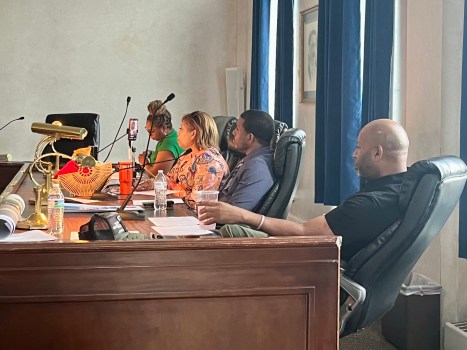
At a long-anticipated Cook County Board meeting on the still-spiraling problems with the county’s property tax collections and payouts, Diana McCluskey, chief school business official for Community Consolidated School District 15 in Palatine, testified that her district had lost “approximately $4 million due to this unfortunate situation. Where are we going to make that up from? We aren’t a corporation.”
“Also I’m expecting $10 million more in property tax receipts this fiscal year. We received nothing in the entire month of May… if any of us speaking here from the school districts did anything close to what is happening here, we would lose our jobs,” McCluskey said.
But county officials offered them few clear explanations for the ongoing delays and problems. After several hours of testimony, Commissioner Scott Britton said he would “put a pin” in some outstanding questions and keep talks going.
Commissioners also grilled officials from the county Treasurer’s Office and the county’s beleaguered technology contractor about the roughly 77,000 outstanding property tax refunds and about 2,500 bills that still haven’t been mailed from prior billing cycles.
But fall bills were top of mind. Officials said they could still not guarantee the bills would meet the new September mailing deadline, prompting Commissioner Alma Anaya to urge colleagues to “knock all the wood right here.”
The hearing featured leaders from the Assessor, Clerk, President’s Office, Board of Review, Treasurer and the county’s property tax system vendor Tyler Technologies. The discussion pinballed between other lingering issues with the property tax system upgrade that has been plowing along for more than ten years.
Commissioners have been inundated with complaints from homeowners awaiting property tax refunds and taxing bodies like schools, libraries, or small special service areas concerned about revenue payouts.
For months, suburban school and library district leaders in particular have complained about being left in the dark about last year’s property tax troubles and demanded a hearing. When bills are delivered late, so are revenues that districts rely on to balance their budgets. Several districts opted to borrow, cash out investments or hit pause on other spending to make do, in some cases costing millions.
School districts alone estimated the financial workarounds necessitated by the delays cost them more than $120 million.
When that tax money did come through from the county, some districts were overpaid or underpaid. County officials haven’t been able to tell district leaders how to account for that money yet, because the checks cut for bills during the 2024 and 2025 tax year are currently “commingled.”
Untangling that data manually isn’t workable, Tyler and Treasurer’s Office officials said, because of reporting discrepancies between the old property tax system and the new one. While county officials pledged districts that received too much or too little tax money would settle up or be made whole, that process is still unclear.
Blue Island’s Public Library estimates it received 86% of its taxes from the 2024 tax year, according to Amy Franco, the executive director at Hillside Public Library, who has helped lead a coalition of libraries demanding answers.
“Why are we still here talking about a tax year that happened two years ago?” Franco asked. “Have taxes been billed and paid and mistakenly distributed to other agencies? Without accurate reporting no one has been able to provide a clear answer.”
Many of the current issues are not with Tyler software, coding or calculations, officials said. But representatives for the treasurer and Tyler disagreed about who was responsible for delivering the fix. Commissioners saved most of their questioning for those two offices.
Tom Lynch, the county’s chief technology officer working under Board President Toni Preckwinkle, did reassure commissioners that Tyler was only being paid when it met milestones. “In other words, Tyler can’t bill us and the county can’t pay them until the offices agree that the functionality is delivered and working,” Lynch said.
Problems with Tyler’s system are not holding up this year’s bills. Several county officials pointed to earlier difficulties within other offices that date back several months. Because the property tax cycle relies on handoffs from one office to another, setbacks can easily snowball.
As it stands, the process is roughly six weeks off schedule. The county’s Board of Review typically hears and reviews appeals until the end of April or early May and hands its results back to the Assessor. This year, that happened this week.
The board said it got off to a late start because the clerk delivered a key figure late last year. The clerk said they did not anticipate delays going forward. Tax data is now with the state’s Department of Revenue. After a week or so, that information should come back to county officials, who will hand it off from office to office over the next 60 days in a process that will eventually end with bills being ready to hit the mail to property owners across the county.