
My work schedule consumed my time this spring, but I will finally have time to do some planting soon. Is it OK to plant at the end of June? Should I worry about how new plants will fare in hot summer weather?
— Helen Baker, Chicago
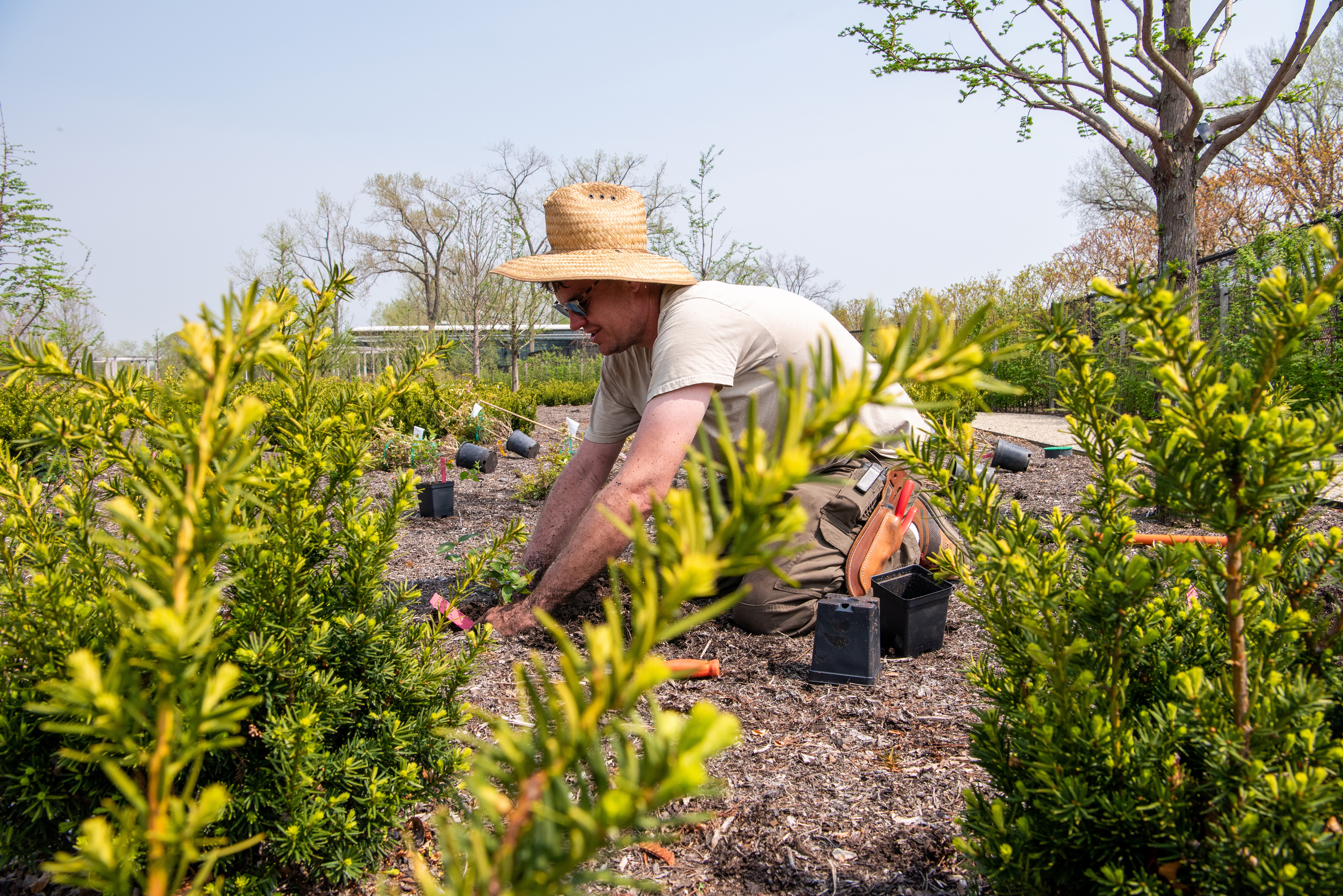
On occasion, I hear people say that planting should only be done in the spring and fall. It’s a challenge to finish planting when only using those two gardening seasons. There is no reason to stop planting during the summer in my opinion, and I have always had good results doing so. The Chicago Botanic Garden staff continues to plant all summer long. There would not be enough time to get all the planting done only in spring and fall. Local garden centers still have a great selection of plants grown in containers and balled and burlapped trees and shrubs. The trees and shrubs are typically dug in late winter/early spring while they are dormant and held above ground in the garden centers. Production nurseries are limited in which plants can be dug during the summer season. Bare root plant material (with no soil around the roots) is generally planted in very early spring before growth has begun. Bare root plants can be held by suppliers in coolers to extend the planting window, but summer is not a good time to install them.
Proper watering of plants before and after planting is more critical during the hot summer season. Plants can be damaged during hot and dry spells if they are not watered enough and can quickly dry while sitting above ground awaiting installation. It is important to keep plants moist before planting to minimize stress. Containerized plants can sometimes be difficult to remoisten if they are planted in your beds when dry. Water them before planting if the pots have dried out. Plants that are grown in containers have a lighter growing medium that will generally dry more quickly than garden soil. They need more frequent, light watering until their roots grow out into the surrounding garden soil. This may mean watering a couple times a week during very hot periods for the first few weeks of establishment.
Newly installed balled and burlapped plants need about 1 inch of water per week — be sure the root ball is getting watered. Evergreen trees can shed water away from the root ball when a sprinkler is used. The garden bed will then be moist while the root ball of the tree is dry. In time, the roots will grow out into the bed, but you need to focus on moistening the root ball throughout the summer. The amount and frequency of watering will vary depending on weather conditions and the soil conditions in your garden. Sandy, well-drained soils dry out more quickly than heavier clay loam soils. Automatic sprinkler systems may not water larger balled and burlapped plants adequately, so monitor the plants and add water with a garden hose as needed.
Go ahead and plant this summer. Then mulch the new plants to improve the appearance, prevent weeds and help conserve soil moisture. I like using shredded bark mulch for new plantings.
For more plant advice, contact the Plant Information Service at the Chicago Botanic Garden at plantinfo@chicagobotanic.org. Tim Johnson is senior director of horticulture at the Chicago Botanic Garden.