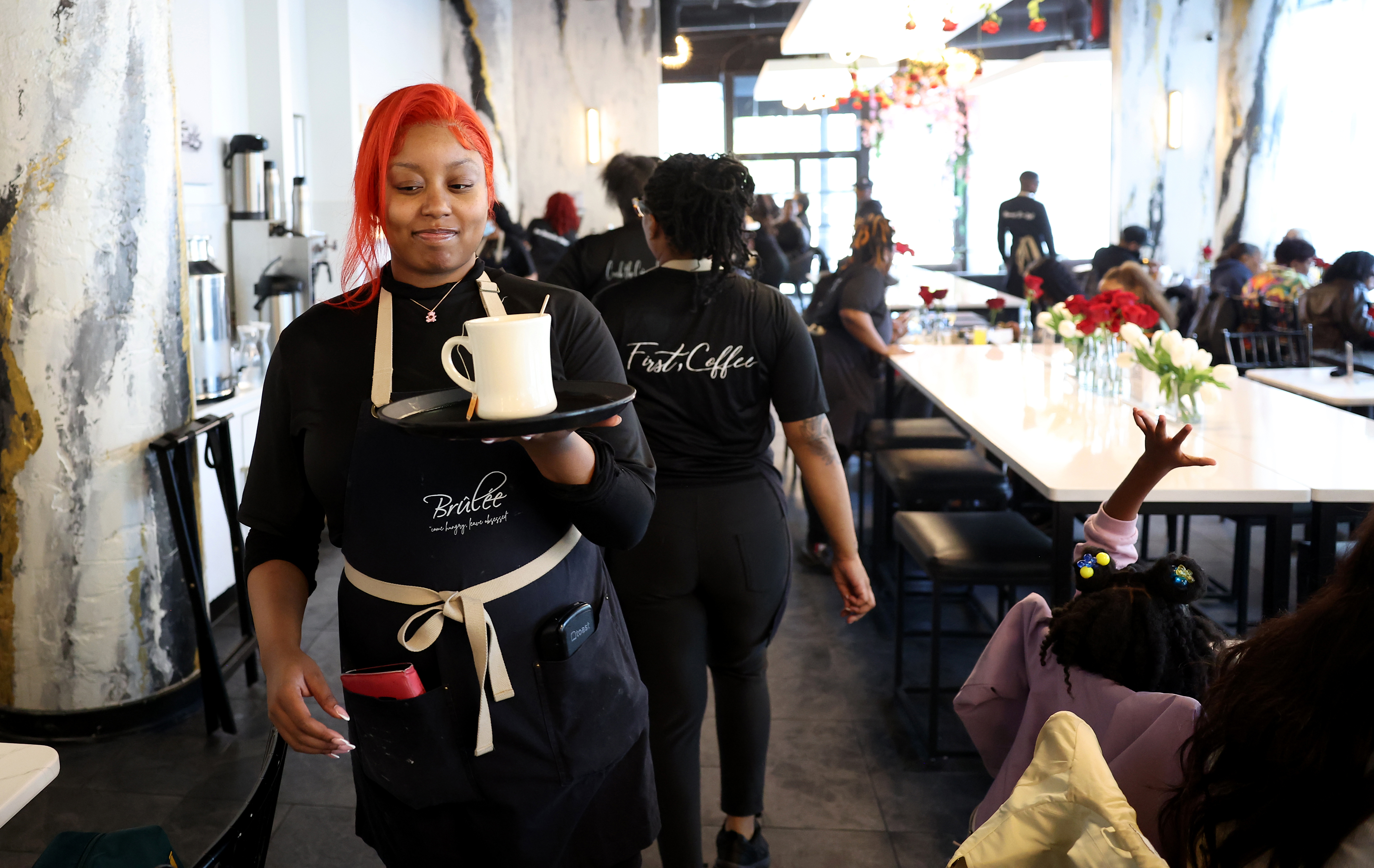

The Tribune recently reported about Chicago’s minimum wage rising to $17.05 at the start of this month. Tipped workers will receive only a modest increase after the City Council froze planned raises in the tipped minimum wage. That delay matters. But the bigger issue isn’t just the timing of an increase — it’s whether Chicago should keep a two-tier wage system at all.
At McDonald’s, our view is simple. Restaurants should compete on food, service and value — not on pay structures that mask the true cost of labor and leave workers guessing about their take-home pay.
Right now, restaurants operate under different wage models — some rely heavily on tipping, while others pay higher hourly wages. In tipped systems, employers can pay a much lower cash wage because tips are expected to make up the difference (the federal tipped minimum cash wage is $2.13 per hour versus the $7.25 federal minimum wage for non-tipped work). The result is uneven standards for similar work, confusion about what workers actually earn and an uneven playing field for businesses.
Chicago should continue moving toward one clear base wage for all restaurant workers, with tips on top. That would make pay more predictable for workers and put businesses on equal footing. Different service styles — from quick service to full service — can still thrive.
The point is to raise the floor, not take anything away.
For workers, that distinction is not abstract. The cost of rent, groceries, childcare and transportation does not fluctuate based on whether a shift was busy, the weather was bad or customers chose to tip less. A dependable base wage gives employees more stability without limiting the upside that tips can provide. For employers, it also creates greater transparency. When labor costs are clearer and more consistent, restaurants can plan, price and invest with more confidence. That is especially important in a city where restaurants are already managing high costs, changing consumer habits and intense competition for talent.
This model works elsewhere. Seven states already require one base wage for all workers. Tipping complements wages as a true gratuity. Workers know their paycheck before the shift. Customers see a clearer price of service. And restaurants compete under the same rules.
Public opinion is moving the same direction. Recent polling by Morning Consult shows broad support — across parties — for raising the minimum wage for all workers, regardless of whether they are paid tips or not.
Tips are an important part of many restaurants’ operations and many dining experiences. They are a reward for great service, not a substitute for a dependable wage. A base wage protects that distinction — and is complemented by the federal “No Tax on Tips” deduction in the One Big, Beautiful Bill Act, which lets eligible workers deduct qualified, properly reported tips from federal taxable income (up to an annual cap).
The industry is changing, too. Digital ordering, pickup and hybrid service mean fewer jobs fit the old “tipped versus nontipped” lines. A modern wage floor reflects how restaurants actually operate today.
Chicago’s current compromise may have bought operators, particularly small and independent businesses, more time to adjust. But time alone does not solve the underlying problem. Even with the delay, two workers in the same industry can still be subject to very different wage rules — and restaurants that do not rely on tips are still competing against a labor model that allows some businesses to rely on customers to cover a portion of compensation that should be reflected more clearly in the wage floor. The longer Chicago leaves that gap in place, the longer workers face uncertainty — and the longer businesses face rules that reward different pay structures rather than better service, better food or better value.
Chicago will be a leader by setting a clear wage floor that supports workers and creates fair competition across the industry. Clear rules produce better outcomes for everyone.
Jon Banner is executive vice president and global chief impact officer for McDonald’s Corp. He oversees the teams for government relations, public policy, communications, sustainability and social impact, global security and inclusion and is a global trustee of Ronald McDonald House.
Submit a letter, of no more than 400 words, to the editor here or email letters@chicagotribune.com.