An acquaintance of mine lost her husband to COVID-19 during the height of the pandemic. Frankly, though I learned about it on social media, I didn’t feel a simple “sorry for your loss” on her wall was adequately supportive. At the same time, with everything happening during the pandemic, I also didn’t have the energy to reach out and call her. It’s now been almost a year, and I feel odd bringing it up so long after the fact. Has the window passed for me to offer my condolences?
Our lives since March 2020 have been anything but normal, and the etiquette that so reliably guided us in the past has had to be rethought and reshaped to meet the culture’s current needs. Contrary to common perception, etiquette is not forged in steel; it is designed to adapt.
Pandemic or not, something that hasn’t changed is that those grieving a loved one’s passing are often swamped with support in the immediate aftermath of the event and then overlooked in the weeks and months afterward. Though the sting of your friend’s losing her spouse is likely not as raw as it was right afterward, I have to believe the grief is still palpable. Getting in contact now may actually prove of greater comfort to her than it would have last year, when yours would have been one among a chorus of supportive voices.
Taking it a step further, for a mourning widow likely still processing the loss of her husband, the ping of a cursory comment on her social media wall — followed by the requisite sad-face emoji — surely pales in comparison to the solace of a heartfelt phone call, letter or condolence card, even well after the fact.
In this pandemic time, how do you hold a celebration but ask the unvaccinated not to attend?
The very idea of avoiding or even dropping friends who are not vaccinated was put front and center this month when actress Jennifer Aniston revealed to InStyle magazine that she had cut ties with certain individuals owing to their hardline anti-vaccination stance. Though you are not entertaining the idea of dropping your anti-vax friends, you are entertaining the idea of not entertaining them. Remember: This is your party, your house and thus, your rules. Think of the vaccination requirement as a dress code, albeit one with far more serious consequences than a guest misreading an invitation to a luau and showing up in an ensemble befitting Beau Brummel.
Out of an abundance of caution, you may be best off calling each prospective guest individually, advising them you are having a gathering and that in the interest of putting all minds at ease and keeping everyone safe, you are including only those who are vaccinated. If the would-be attendee on the other end of the line is not among the 167 million (and slowly counting) fully vaccinated Americans, advise the friend that, with regret, you won’t be able to include them. This is for the health of your vaccinated guests, and for the unprotected ones more so. Wrap by suggesting that an in-person catch-up shall await — when either the guest has done an about-face, or, even better, the coronavirus has, and we can once again throw parties with zero need to vet guests for their susceptibility to catch or spread a contagion.
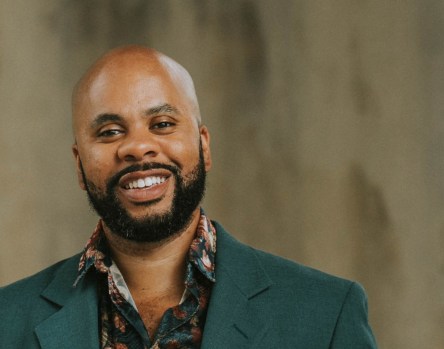
Mister Manners, Thomas P. Farley, is a nationally regarded expert who appears regularly in the media to discuss modern-day etiquette dilemmas. To be featured here, send your questions to info@whatmannersmost.com and follow Thomas on Facebook, Twitter, Clubhouse and Instagram. For more insights, subscribe to his podcast, “What Manners Most.”
(c)2021 What Manners Most. Distributed by Tribune Content Agency, LLC.