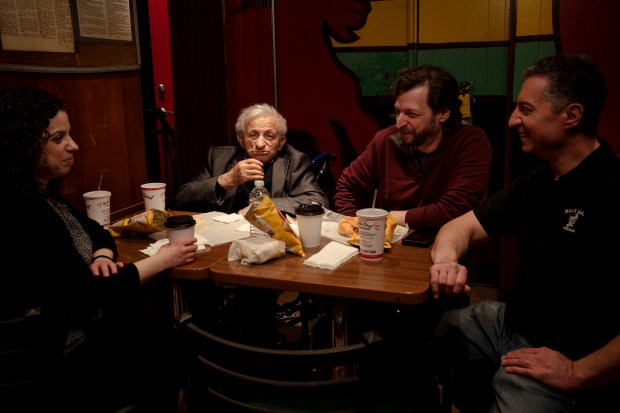
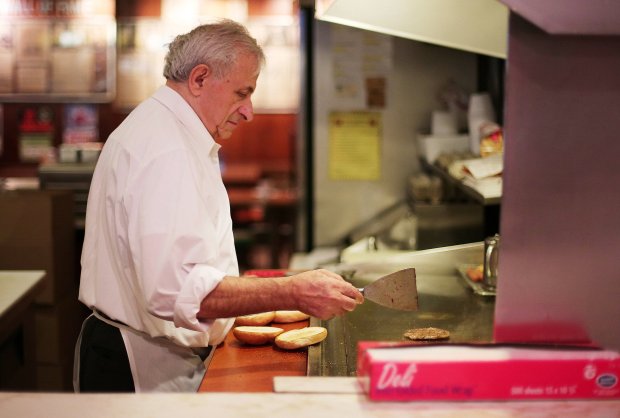
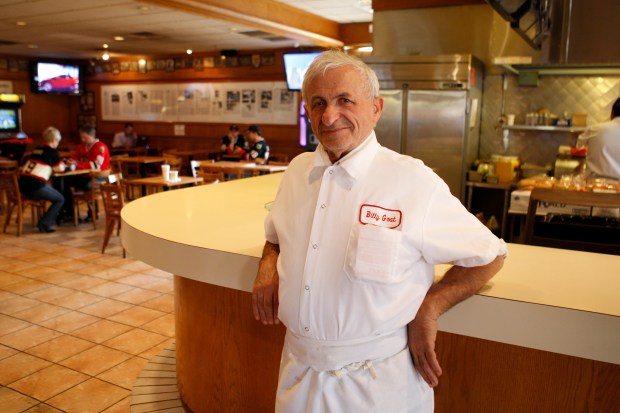
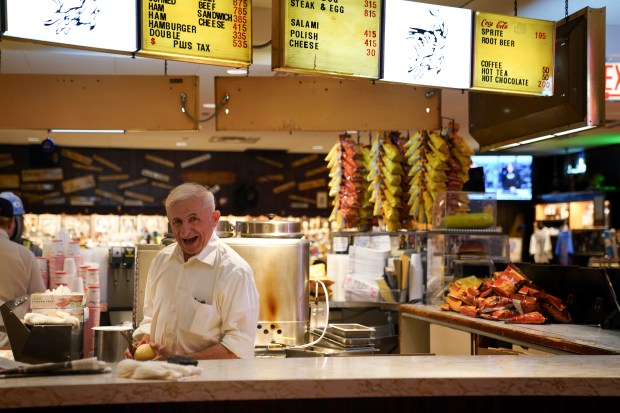

There was a time, not so very long ago, when the most famous tavern keeper in the history of this city could be found alone in the quiet, empty hours between last call and sunrise, placing chairs upside down on tables and sweeping the floor.
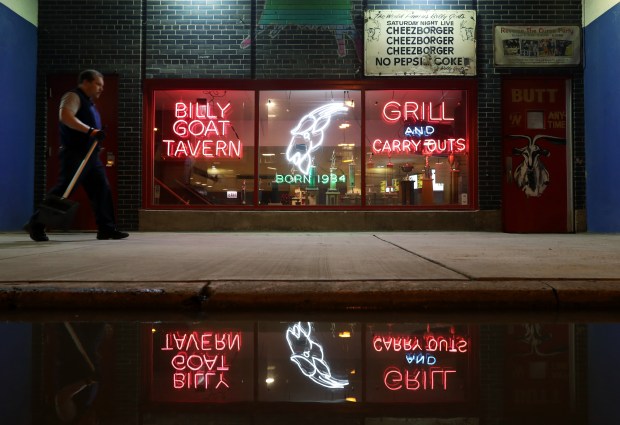
He was in one of the six taverns he owned, the oldest of the Billy Goat brood, on Hubbard Street tucked in perpetual twilight under Michigan Avenue.
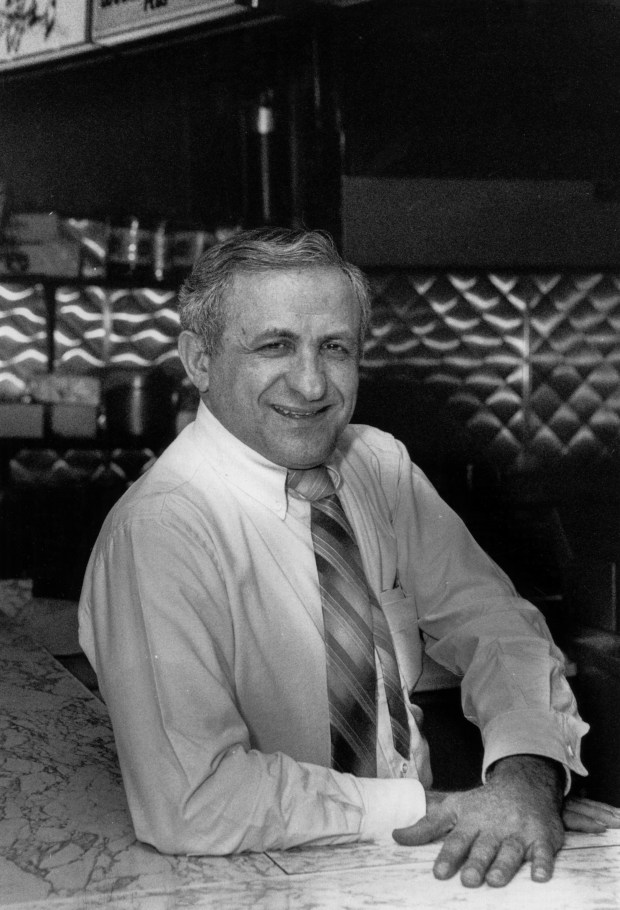
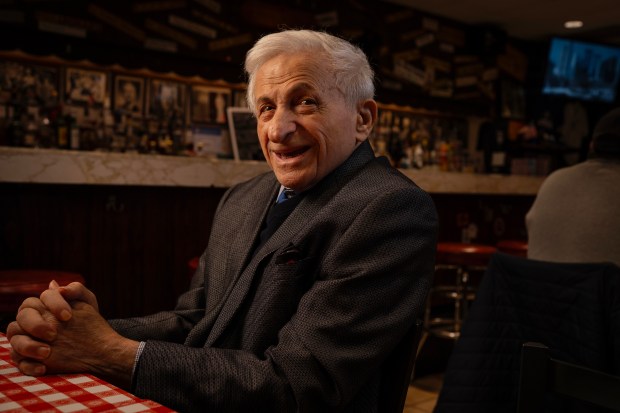
Sam Sianis, a Greek immigrant who became one of the most successful saloonkeepers and a popular figure in the sports and media worlds, died in Endeavor Swedish Hospital in Chicago early Friday morning. He had recently had gall bladder surgery, but died of complications of old age. He was 91 years old.
“He was an inspiration and everything else to me and my siblings,” said William, the eldest of Sianis’ six children and the one who has been most involved in the business with his father. “He always talked reverently about his uncle and about Greece, and he carried with him many traditions. And he loved this city passionately and became a real part of it.”
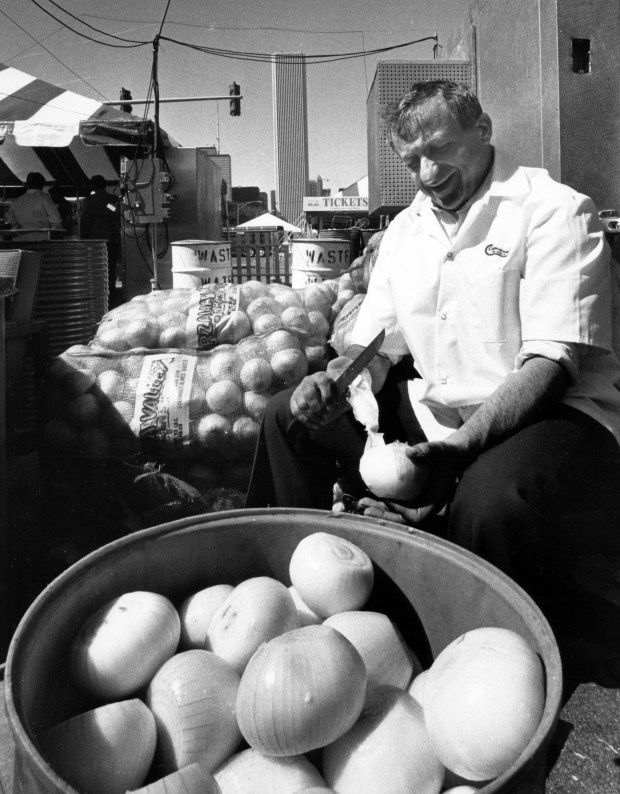
Sianis’ work ethic often manifested in early morning darkness, and about this cleaning time, he would say, “This is what I do. I cannot not do this. To be a manager, you have to graduate from a big college. I didn’t. I graduate from mopping floors and all that. You see the work that needs to be done, you take care of that work. That is what I learn when I come here.”
He came here from the tiny Greek village of Palaiopyrgos, where he was born Sotirios Athanasios Sianis in the early morning of Dec. 12, 1934. His mother, Theofana, died an hour after his birth. He was fed goat milk as an infant and raised by his father, Anthanasios, and by a large extended family that included grandmothers and a number of aunts and uncles. His father would later have four more children, from two other marriages.

His formal education stopped after one year of high school as he began work on the family farm, plowing, cutting wheat and doing other chores by hand. At 19, he came to America, landing in New York on May 15, 1955. He made his way to San Francisco, where he worked in the coffee shop owned by two aunts, with whom he also lived. Within a year, he had a job as an apprentice mechanic for the Southern Pacific Railroad. But four years later, he was laid off and headed east, arriving in Chicago in 1960 to work for his father’s brother, William Sianis, who ran the Billy Goat Inn across Madison Street from the former Chicago Stadium.
He mopped the floors, filled the coolers, tended the bar and, he would recall, “There were many goats that I fed who lived out back, but the famous goat that made the curse was no longer alive.”
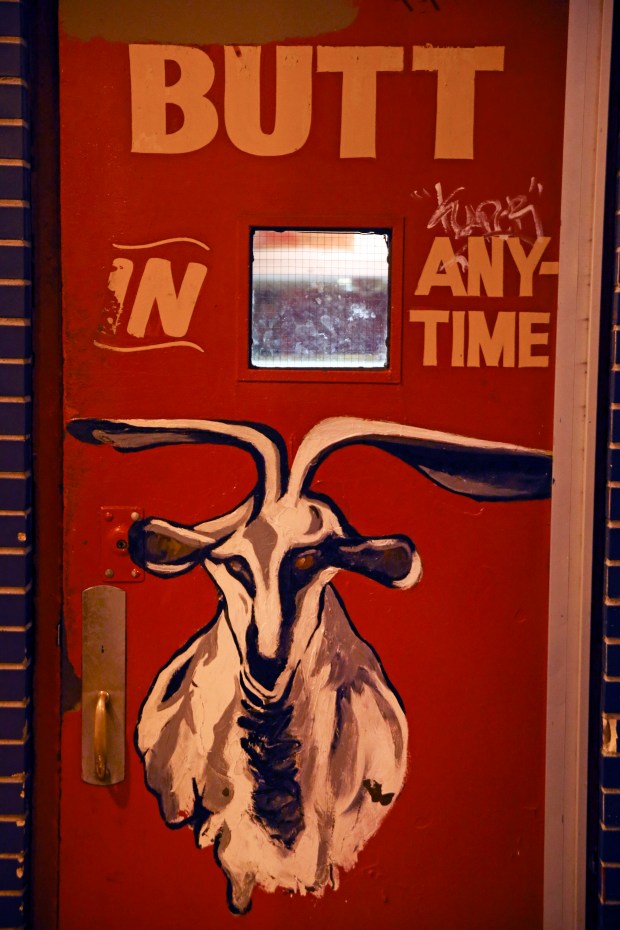
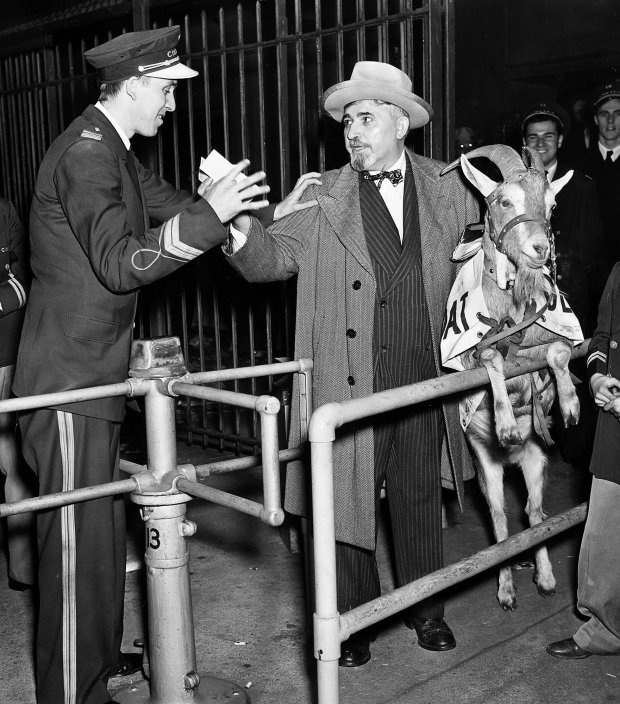
That goat would have been named Murphy, the goat that launched the noted Curse of the Billy Goat. That was born when William — who everybody referred to as “Billy” — and his pet goat were refused entrance to Wrigley Field on Oct. 6, 1945, for the fourth game of the World Series between the Cubs and Detroit Tigers.
After the Cubs lost the seven-game series, Billy sent a note to team owner Philip Wrigley, saying, “Who stinks now?” Over the ensuing decades, due primarily to the Cubs’ ineptitude and the myth-making ability of newspaper reporters, the curse (or the legend of the curse) lasted until Nov. 2, 2016, when the Cubs defeated the Cleveland Indians in Game 7 of the World Series.
Sam enjoyed working at the Madison Street tavern, lively and popular with visiting stars, athletes, conventioneers and members of the press.
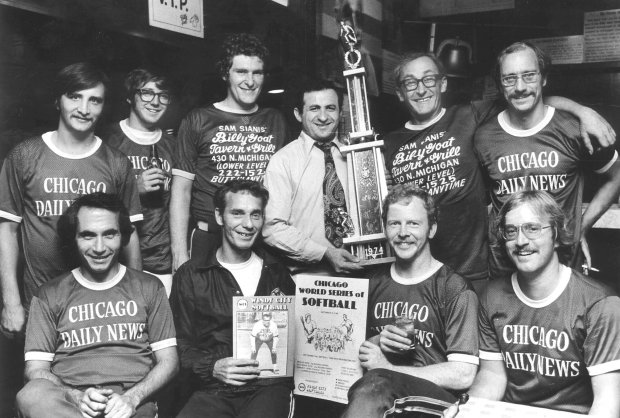
But he was not sorry to see it close in 1964 and move to a new location on Hubbard Street, within easy stumbling distance from what were then the city’s four daily newspapers and their printing presses, the Sun-Times and Daily News to the west on Wabash Avenue, and the Tribune and Chicago Today on Michigan Avenue to the east. This gave the tavern, which featured a grill, a steady stream of customers.

The first of them was Bob Borgstrom, the captain and owner of Wendella Boats, which parked in the Chicago River a block south of the tavern. He and Sam would become close friends. Before his death in 2023, Borgstrom said, “Sam is like a brother to me. If you don’t love this guy, then you can’t love anybody.”
Sam would fall in love in 1974 on a trip back to Greece. While there, he called the tavern to tell his friends that he had met a “fine girl” named Irene Dariotis. They were married in Greece that November; there remains a photo from their wedding behind one of the tavern’s cash registers. Sam and Irene would live in Park Ridge and have six children. Some Sundays, you could find them all at the tavern after Mass at St. Basil’s Greek Orthodox Church on the Near West Side.
Bill was their first, born in 1975, and then came Tom, now a Cook County Circuit Court judge; Paul, an accountant; Ted, a graphic artist; and twin girls, Jennifer and Patty, a physical therapist and a teacher, respectively. Sam did the cooking.
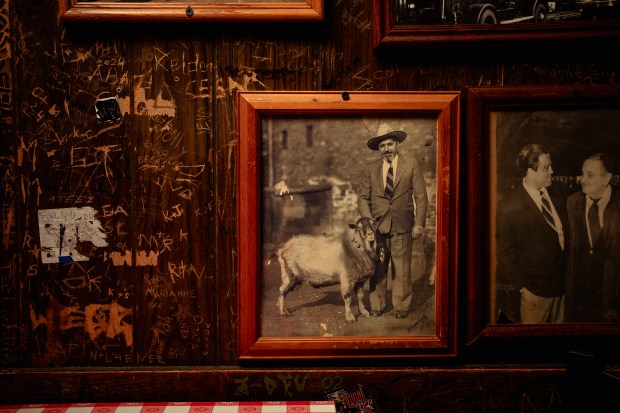
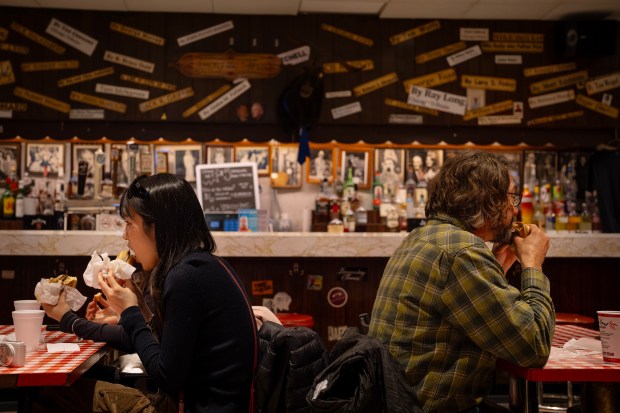
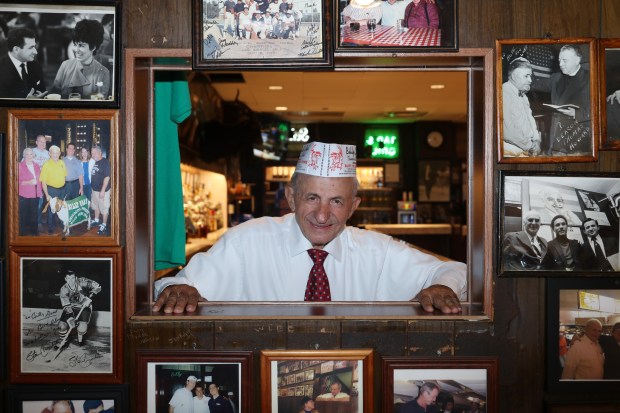
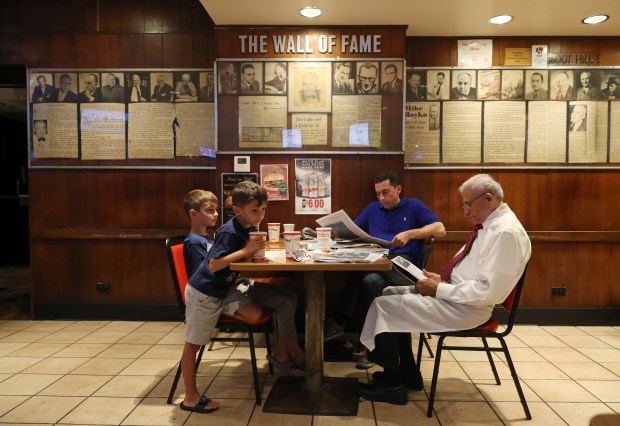
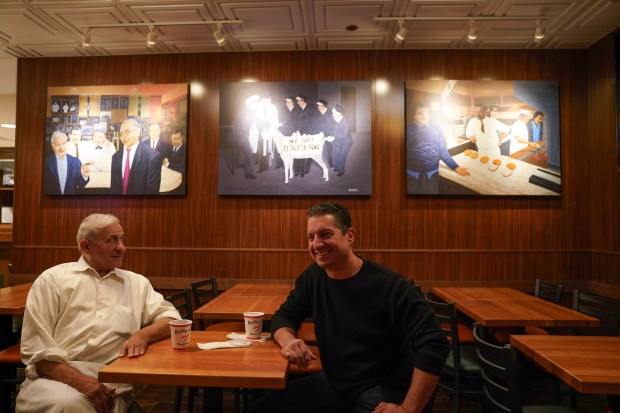
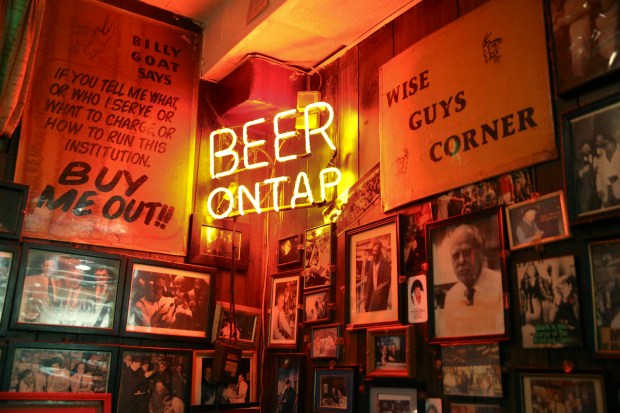
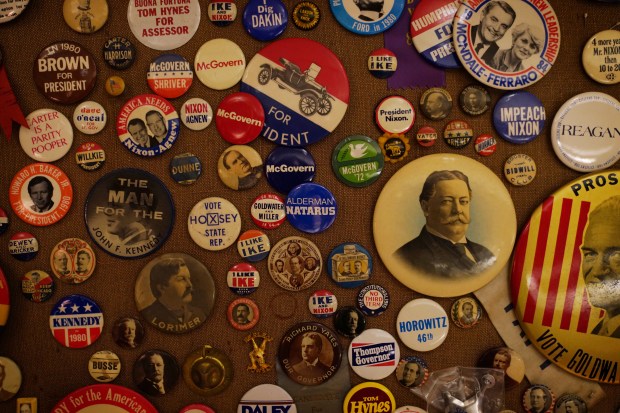
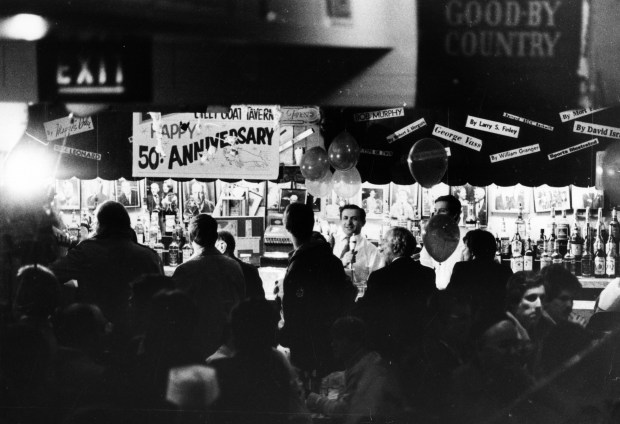
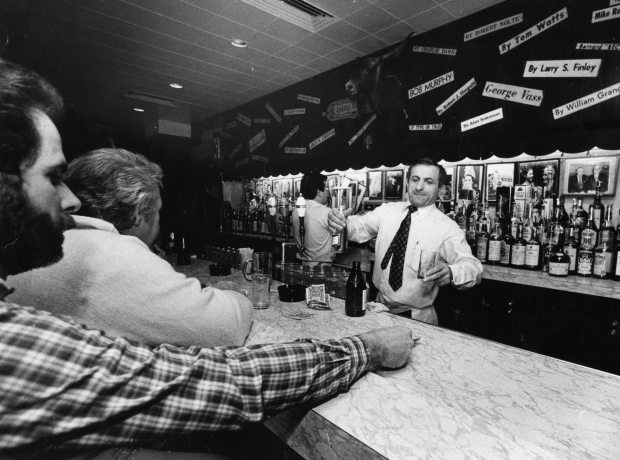
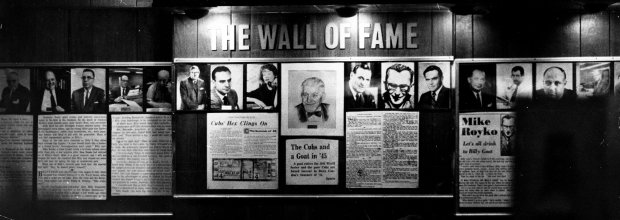
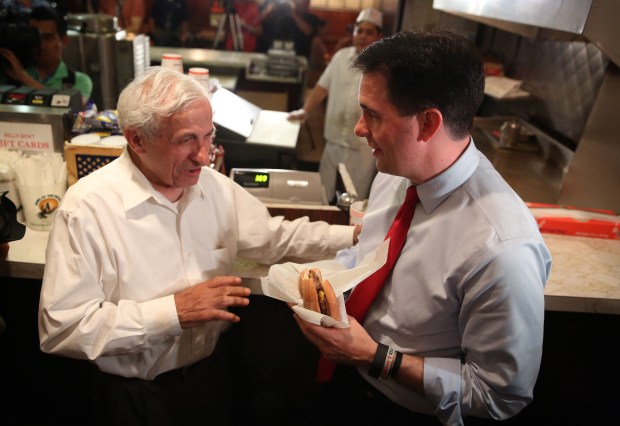
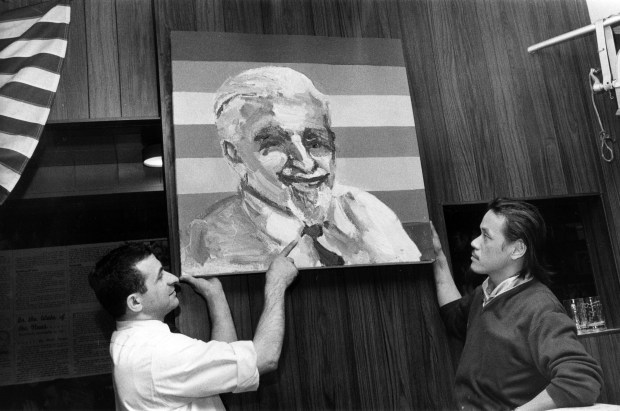
The faces of family and friends cover the walls of the Goat of Hubbard. Photos were the principal manner in which Billy and Sam decorated. There was, and still is, a “Wall of Fame” at Hubbard Street, with framed photos prominently featuring Billy. Also the faces of the many politicians, local and national — including George Bush, George H.W. Bush, Barack Obama, Hillary Clinton — who visited the tavern often seeking that “common touch” the place might provide.
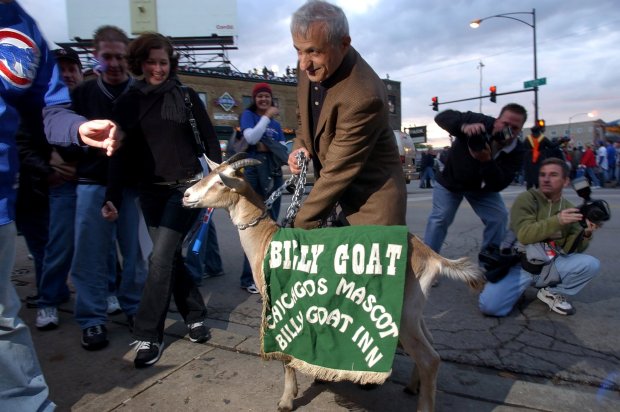
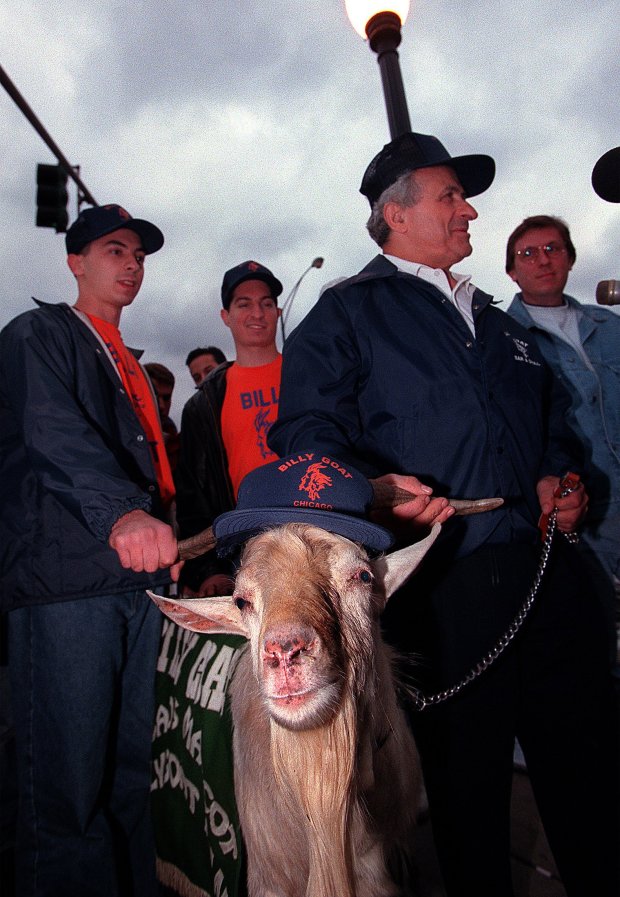
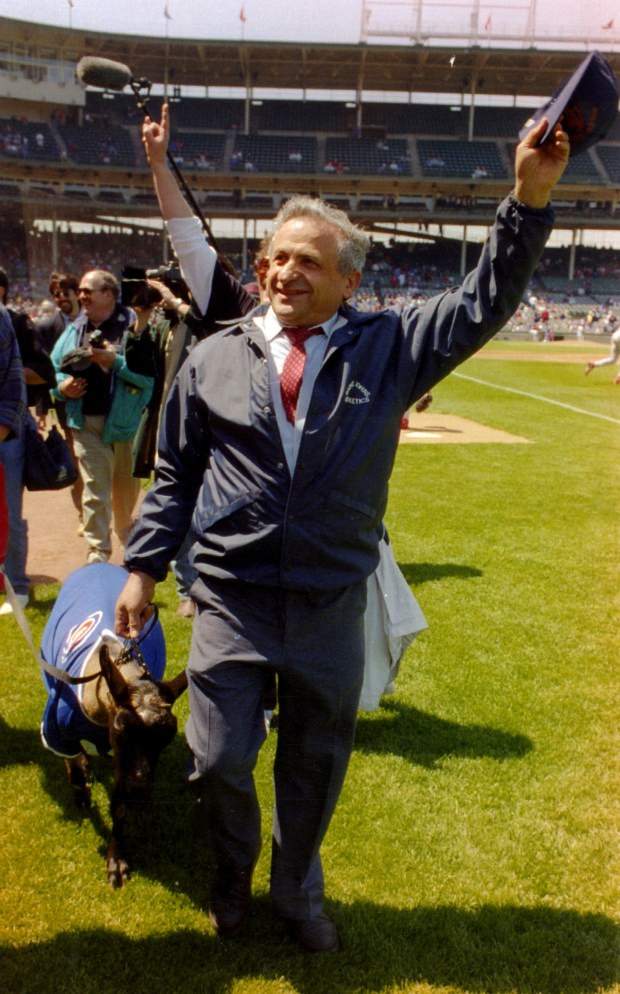
After William’s death in 1970, Sam ran the tavern tirelessly, ever available during baseball seasons to offer comment on the ongoing “curse,” sometimes visiting Wrigley Field with a goat or two, borrowed from a friend’s farm. Such publicity kept the curse in the headlines and on tourists’ minds.
“Sam was often the first real Chicagoan tourists met when they ambled cautiously down the stairs to his saloon,” said Tribune reporter Rick Pearson. “Here was a man who symbolized all the strengths of the city, a place where a hardworking Greek immigrant could be successful, grow a business, help others who emigrated here, dispense a beverage and friendly advice. And there was his handshake, a powerful grip that told you that his was a lifetime of labor. But I know that his greatest legacy, and something he was proudest of, was his family.”
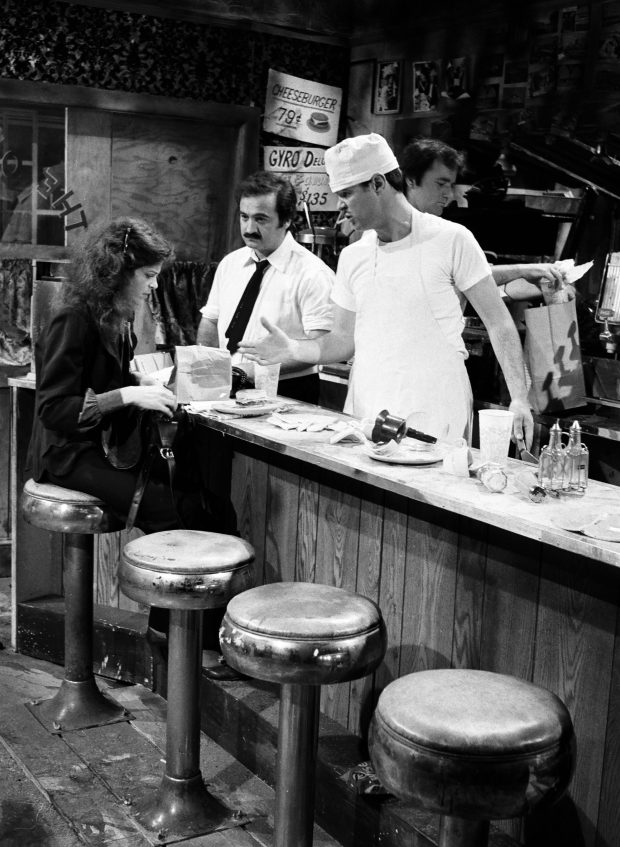
Sam and the tavern were also beneficiaries of another prominent television homage, when its grill helped give birth to a famous “Saturday Night Live” sketch.

That was created by “SNL” writer Don Novello, who had frequented the Billy Goat for lunch when he worked at a Chicago advertising firm in the early 1970s before moving to New York to write for the show.
The first sketch aired on Jan. 28, 1978, at the time the most expensive set in the show’s history. Starring John Belushi, Dan Aykroyd, Bill Murray and guest host Robert Klein, it featured the staff of what was called the Olympia Restaurant, lampooning the Billy Goat staff’s gruff manner and limited menu and strict rules: “No Coke — Pepsi!” “No fries — chips!” And most notably, “Cheezborger, cheezborger, cheezborger.”
Food icon: Sam Sianis of Billy Goat Tavern and Cheezborger legend in Chicago
Sam only heard about it days later from customers.
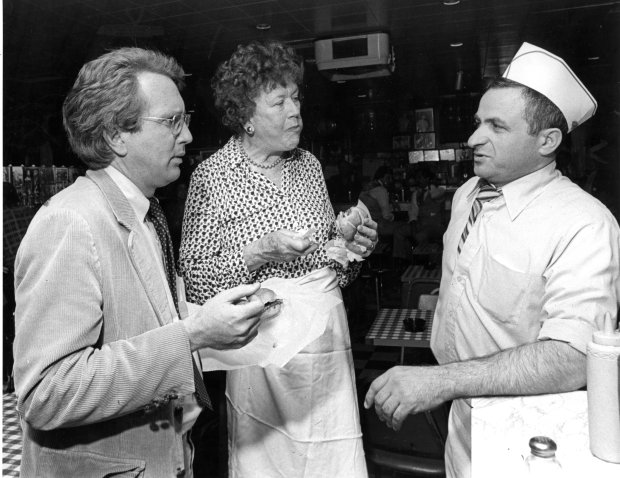
The Billy Goat’s fame continued to grow, and when the famous chef Julia Child came to Chicago in 1981, she made a visit, later telling a local radio show that the Billy Goat “served one of the best burgers” she had ever had, adding, “I think I could live on these forever.”
Sam took his notoriety in stride. He told a story.
“President George H.W. Bush was coming to have lunch at the Billy Goat in 1991,” Sianis said. “I saw a couple of guys dressed in suits around 8 a.m. looking around the place, and I asked them if I can help with anything. They said they were just looking. Later that morning, I had gone to a gathering in Greektown and one of the waiters said I had a phone call. When I answered the phone, it was my manager and he said to come to the store now, because the president is on his way for lunch.
“I left right away, and when I got to Billy Goat, I saw all the photographers and reporters in the place waiting for President Bush. I also saw the two guys in suits and asked them why they didn’t tell me this morning. The place was full of the lunch crowd, who were asked to stay if they wanted, but once you left, you couldn’t come back in. President Bush arrived and sat at a table with me and another three or four customers. He had two double Cheezborgers. He sat and talked to different people for about two hours.”

Seventeen years and another President Bush later, the Billy Goat fueled a new generation of hope with a secret Obama burger. Staffers for Barack Obama’s presidential campaign, working late into the night, created a custom a double Cheezborger with bacon, egg and grilled onions for breakfast, lunch, and late-night dinner in a bun.
There were occasionally offers to franchise his tavern, but Sam wanted to keep everything under family control, including when an oasis would open, at Navy Pier, O’Hare and Midway airports and elsewhere. He and Bill did make deals to spread the brand by allowing frozen Billy Goat Tavern burgers as well as its beer to be sold in several Chicago-area locations.
That ‘marvelous burger place’: 84 years of Tribune coverage of the Billy Goat Tavern
Few understood the tavern better than Jeff Magill, who saw it firsthand. Hired in 1981 as the day bartender, he would be there for 35 years. When he retired in 2016, Bill Sianis said, “He has been like a part of our family.”
A thoughtful person, Magill said, “For me it hasn’t been about the celebrity of it all, the legendary ‘Saturday Night Live’ skit, the Cubs curse. The Billy Goat’s an eccentric kind of place, but it was for me all about the photos and bylines of the writers that are affixed to the walls, the knowing and talking with many of them.”
None of those writers would be more closely identified with or spend more time in the Billy Goat than Mike Royko, the Pulitzer Prize-winning columnist who made the Goat a home away from home and became close friends with Sianis, often writing about the tavern.
One thing that Royko wrote about Sam was never published. It was a recommendation letter, its recipient lost to history. But in it, Royko wrote, “I’ve known Sam Sianis for many years and consider him one of my closest friends. He has so many fine qualities, many of them sadly lacking in our present society, that I’m not sure where to start, but I’ll try.

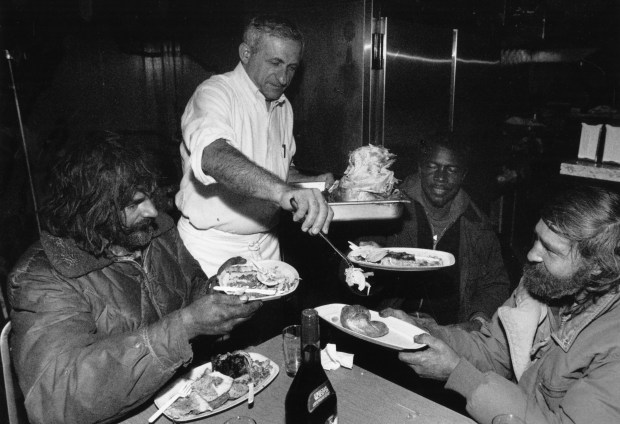
“Work ethic. … Since taking over Billy Goat’s Tavern, he has turned it into one of the country’s best-known bars. He treats his employees fairly and earns their loyalty. In a time when many in the service industry don’t seem to know the meaning of service, Sam and his staff treat all customers alike, whether they are famous or an old bag lady who wants to sit at a counter out of the cold. With courtesy, congeniality, promptness, and a fair deal.” (That lady, incidentally, never went away hungry or without a warming cup of coffee.)
“He’s a man of good humor,” Royko continued. “I’ve never once heard him gripe or grouch about the steep price of success. Just the opposite. He glories in hard work and challenge.
“It would be redundant to say he’s an astute businessman. His bottom line will tell you that.”
“Most important, though, Sam is an honorable man. If he says he will do something, you can count on it. If we all treated others as honestly as Sam does, half the law schools would be closed.
“In closing, I would say that if I had to walk down to the OK Corral, Sam would be the first person I would ask to join me. On second thought, I wouldn’t have to ask. He’d already be there.”
Sianis is survived by his wife, children and grandchildren.
Funeral services will be held Friday, May 22, 2026, at 10 a.m. at St. Basil Greek Orthodox Church, 733 S. Ashland Ave. Interment will follow at Ridgewood Memorial Park. Visitation will take place Thursday, May 21, 2026 from 4 p.m. to 8 p.m. at Muzyka and Son Funeral Home, 5776 W. Lawrence Ave.