Aimed at reducing drownings, a bill requiring water rescue equipment to be available along Lake Michigan’s shoreline is awaiting amendments in a state Senate committee.
Co-author state Sen. Rodney Pol Jr., D-Chesterton, told a Senate panel his bill mirrored similar legislation enacted last year in neighboring Illinois after a 19-year-old man drowned near a Chicago pier, which didn’t have safety equipment.
Senate Bill 424 calls for public and private-owned piers and beach drop-offs to be outfitted with at least one ring life buoy. The bill defined a “drop-off” as a shoreline area intended for direct public access to the water.

The Natural Resources committee heard testimony Monday and its chairwoman Susan Glick, R-LaGrange, held the bill so a few changes could be made. Sen. Michael Bohacek, R-Michiana Shores, also authored the measure.
At least a 100-foot line should be attached to each ring. Signage on how to use the equipment is also required under the bill.
Government entities with piers or drop-off access will be required to purchase the equipment and compile a report at least twice a year that details any drowning within 100-feet of a pier or a drop-off. If more than one drowning occurs over a five-year period, a water safety plan must be created and public safety equipment must be upgraded. An upgrade, for example, would be the installation of equipment that automatically contacts the local 911 service.
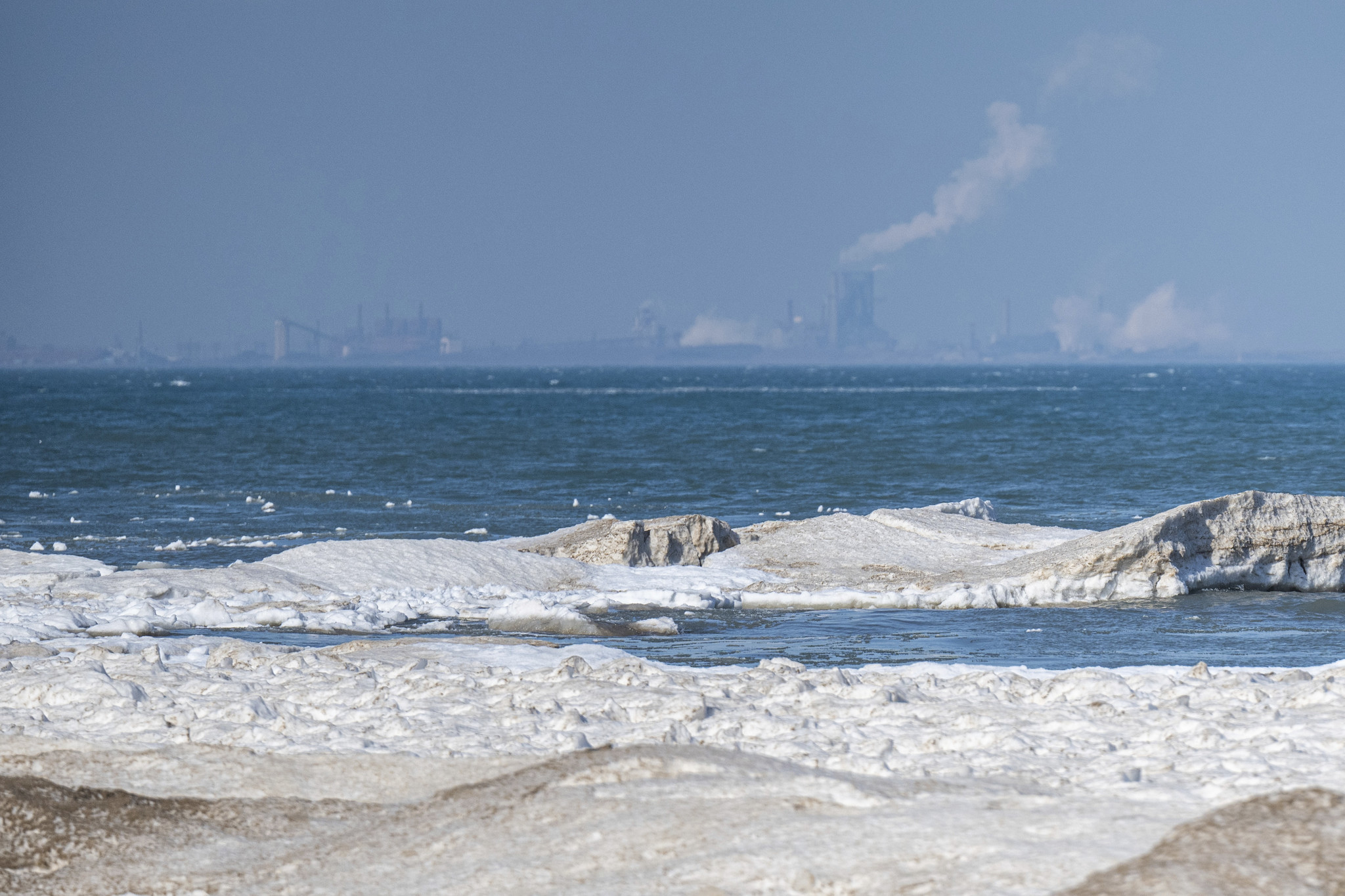
Locally, the legislation would impact cities and towns including Whiting, East Chicago, Hammond, Gary, Portage, and Michigan City.
Glick worried about the impact on municipalities financially and legally.
“My fear is we’re putting the burden on the municipalities and that’s not inexpensive, especially if it’s triggered to 911.”
She said entities could face liability if safety equipment was missing or a 911 call didn’t go through or lifesaving equipment was missing or damaged.
Pol acknowledged there could always be liability, but the equipment required is inexpensive.
“We’re not requiring municipalities to build piers, but what we’re trying to do is make sure where there is that access, that there’s that equipment,” said Pol.
He said the bill was drawn up with assistance from the Great Lakes Surf Rescue Project, a non-profit advocacy group that tracks drownings and offers water safety training.
After the hearing, Dave Benjamin, co-founder and executive director of Great Lakes Surf Rescue, said liability claims would have to be based on gross negligence on the part of a municipality. He said rescue equipment should be examined regularly by park maintenance workers, like other equipment. He likened it to having defibrillators installed in public buildings that contain information on how they should be used.
He said Michigan City already has 11 safety stations on its pier, but Portage and Whiting don’t have any.

The Great Lakes Surf Rescue Project worked on the Illinois legislation and is also working with lawmakers in Wisconsin and Michigan, Benjamin said.
Caitlin Smith, legislative director for the state Department of Natural Resources, told the Senate panel it has a neutral position on the bill. She said the DNR supports the underlying intent of making the shoreline safer.
The state owns Indiana Dunes State Park along Lake Michigan, which draws more visitors than any other state park. It already has rescue equipment in place.
For at least five years, a non-profit Miller group has maintained 22 safety equipment stations along Gary’s beaches.
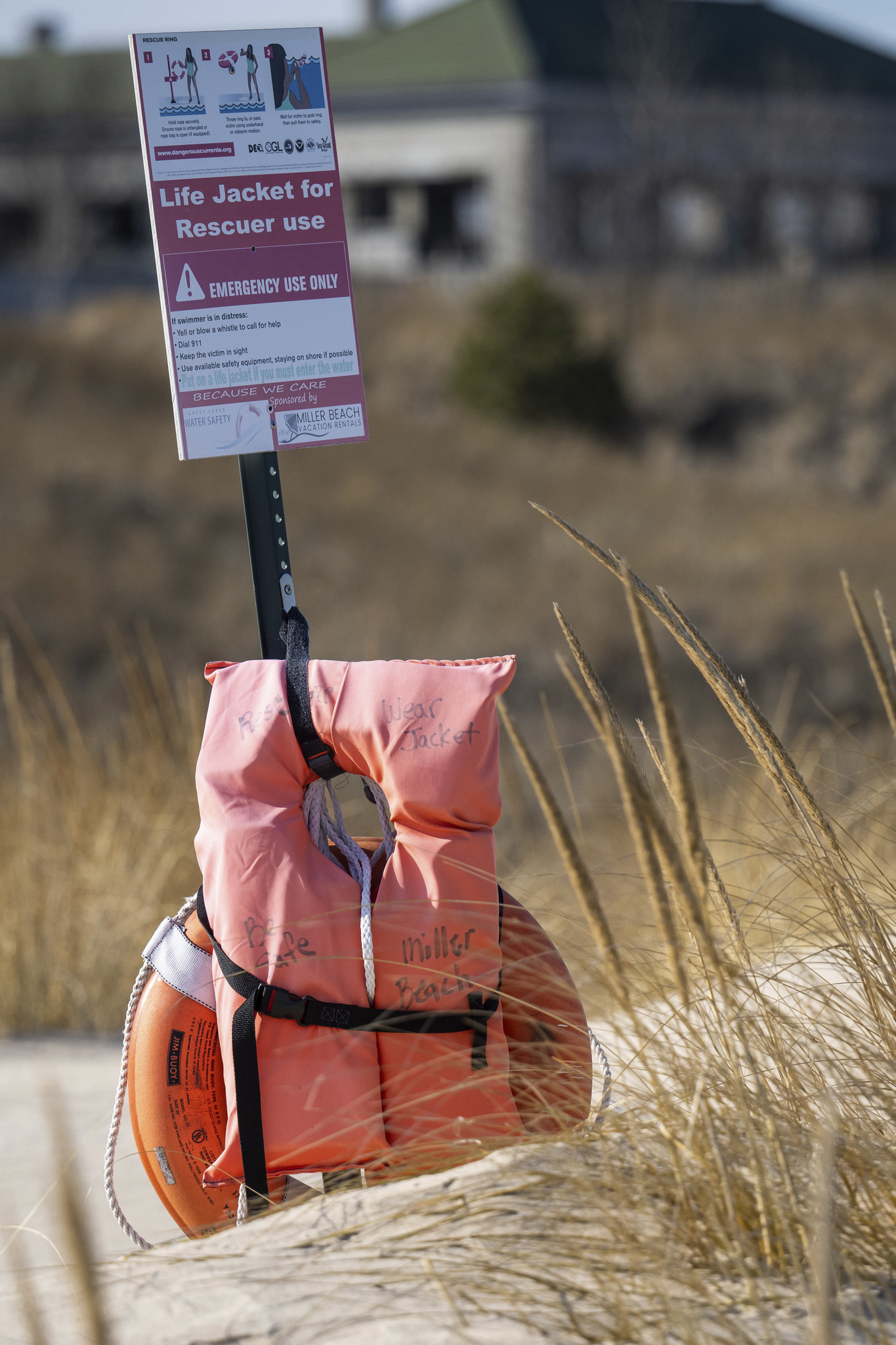
Mary Ann Best said the Miller Citizens Corp.’s beach water safety committee and the Friends of Marquette Park raised the money for the 22 safety stations at Lake Street and Marquette Park beaches and at the Marquette Park Lagoon.
That equipment includes a sign that explains how to use the safety ring, a 50-foot floatable rope tied to the ring and a life jacket for the rescuer.
She said the equipment was used last year to save a man who nearly drowned. In all, she said the equipment has been used three times.
Benjamin said of more than 100 Great Lakes drownings last year, nearly half were on Lake Michigan. Northwest Indiana had seven drownings last year.
Carole Carlson is a freelance reporter for the Post-Tribune.