




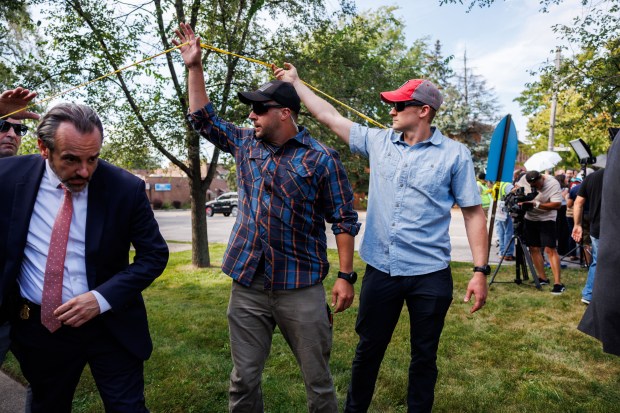

A Cook County judge on Thursday declined to appoint a special prosecutor to investigate alleged wrongdoing by federal immigration agents, finding that Cook County State’s Attorney Eileen O’Neill Burke is not operating under a conflict of interest.
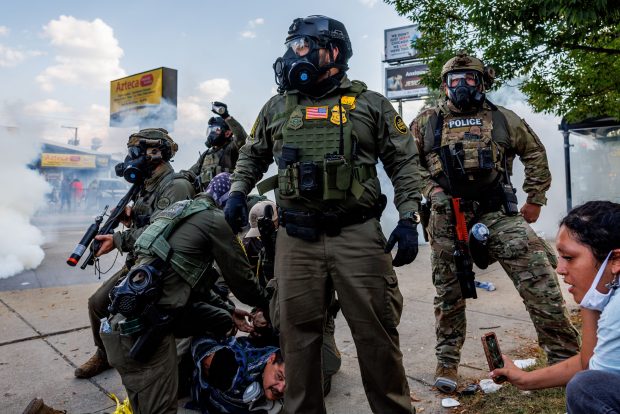
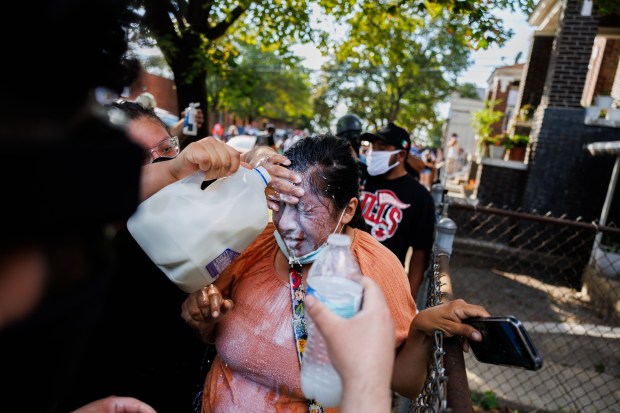
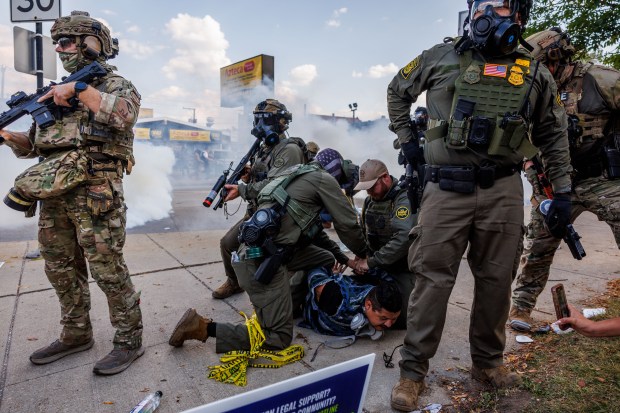
Judge Erica Reddick made the ruling in front of a packed courtroom at the Leighton Criminal Court Building, determining that the petitioners did not meet the legal requirements to replace Burke. Reddick, though, said the petitioners did submit compelling evidence that civilians were victims of conduct by agents that was “violent and appeared to be unprovoked.”
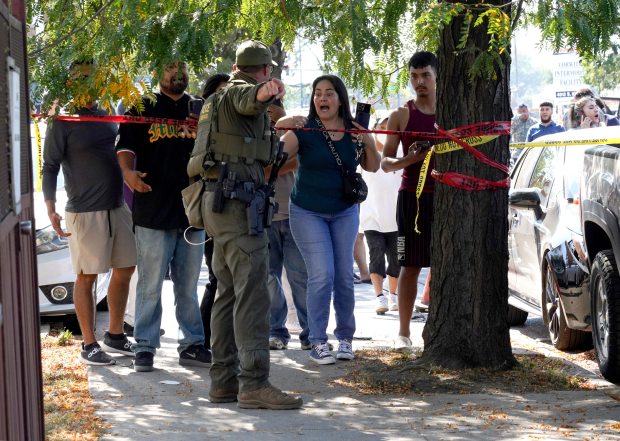
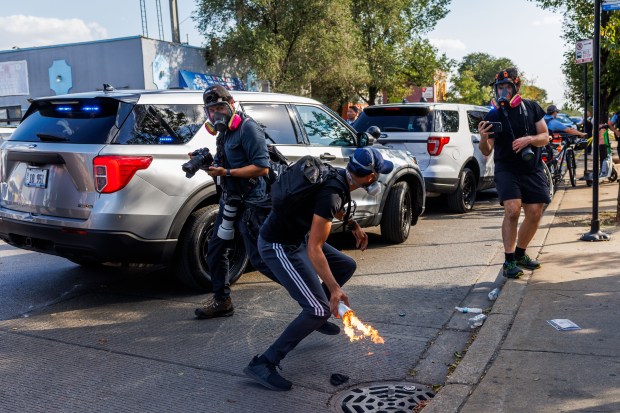
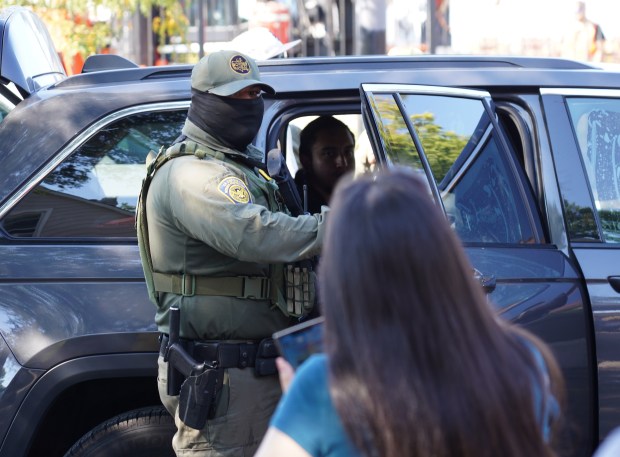
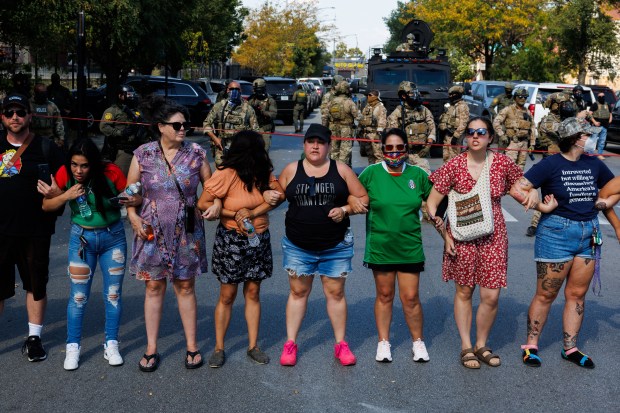
Burke has been under fire for allegedly failing to act in the face of aggressive immigration operations in the Chicago area this fall, though Reddick’s ruling focused in part on the fact that local law enforcement agencies largely did not appear to initiate investigations to refer to prosecutors for review.
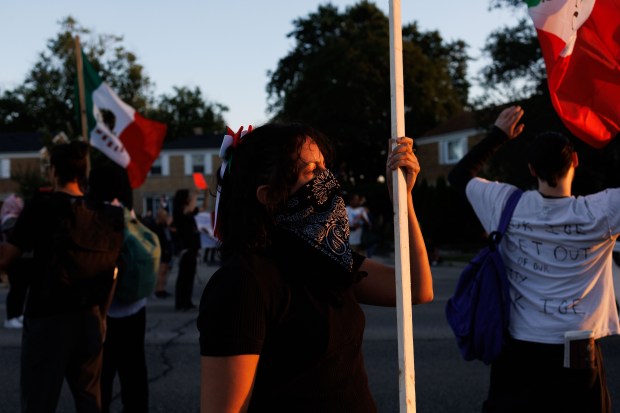
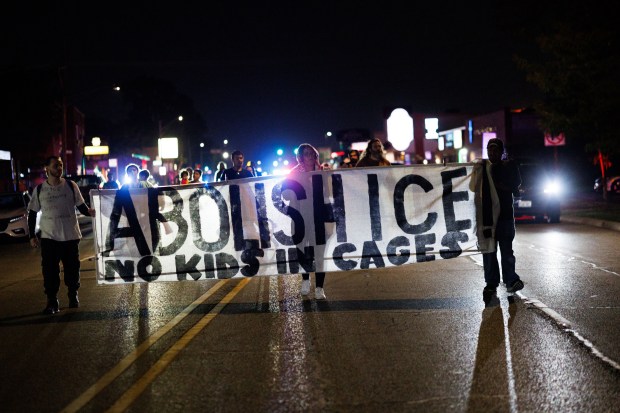
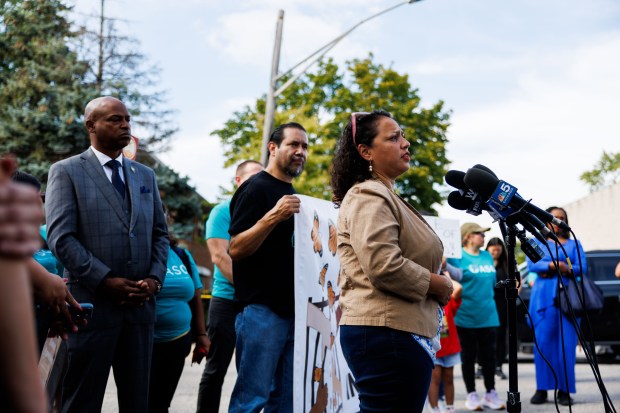
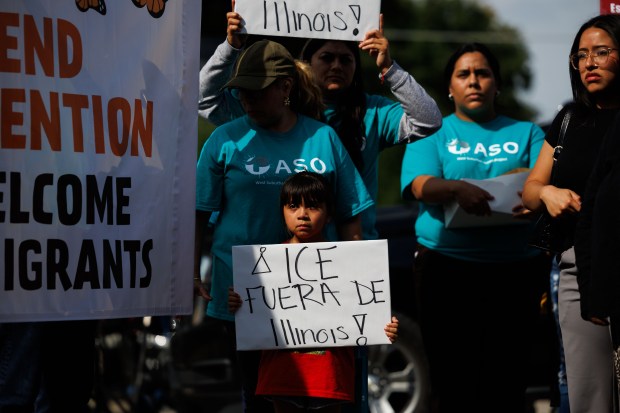
As part of an effort by community members to hold federal immigration agents accountable, a coalition of organizations, politicians, clergy, and city and suburban residents filed a petition in March in Cook County Circuit Court asking a judge to appoint a special prosecutor to potentially prosecute immigration agents for their actions during the Trump administration’s controversial immigration enforcement operation last fall.
The group is made up of elected officials, attorneys, activists, clergy and organizations, including the Chicago News Guild, a union that represents some journalists at the Chicago Tribune. Chicago Tribune journalists were not involved in the litigation that is the subject of this article.
The effort had been heatedly opposed by Burke, whose office has called the petition “frivolous, contrary to centuries of legal precedent and court rulings, riddled with factual errors, and ultimately hampers my office’s ability to hold ICE agents accountable.”
In a statement following the decision, Burke said there was “no basis in law or in fact to appoint a special prosecutor.” Burke also emphasized a protocol the office developed to give law enforcement agencies guidance on how to refer cases to prosecutors involving federal agents.
“Every single person who believes in a constitutional form of government was repulsed by the ICE behavior in their Operation Midway Blitz,” she said, adding that the ruling indicates the office did not abandon its duty under the law.
But attorneys who represented the community members who signed onto the petition said they will continue seeking accountability, this time by pressuring law enforcement agencies to investigate reports made by civilians and refer the cases to Burke’s office, using Reddick’s ruling as a road map.
“The path to accountability does not end here,” Locke Bowman, a civil rights attorney for the firm Loevy & Loevy, told reporters following the hearing.
In court, Bowman left the door open to filing a new petition “in the event that investigations are requested and the investigation of law enforcement is inadequate.”
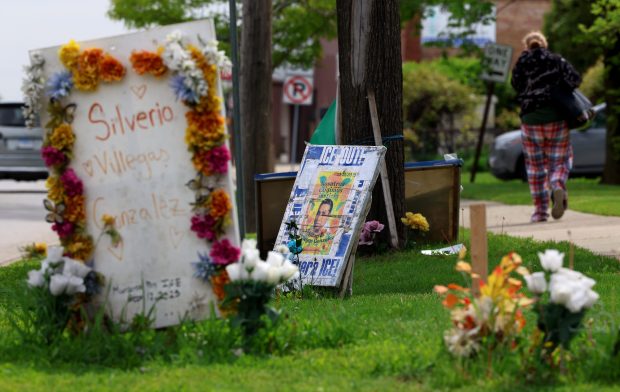
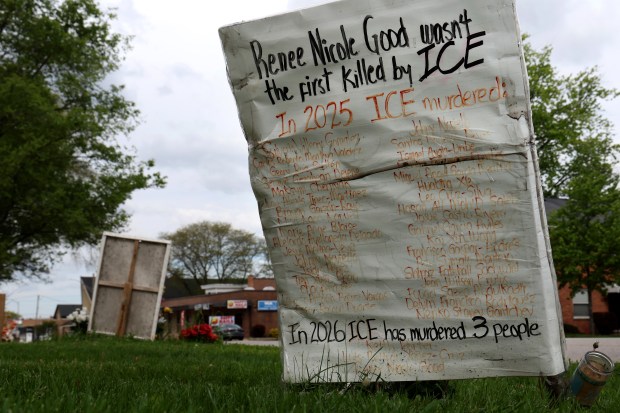
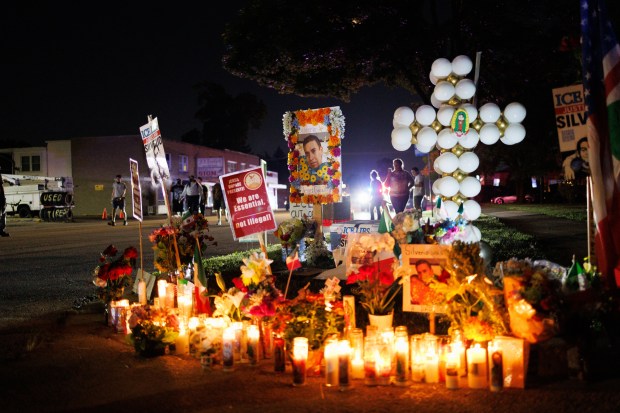
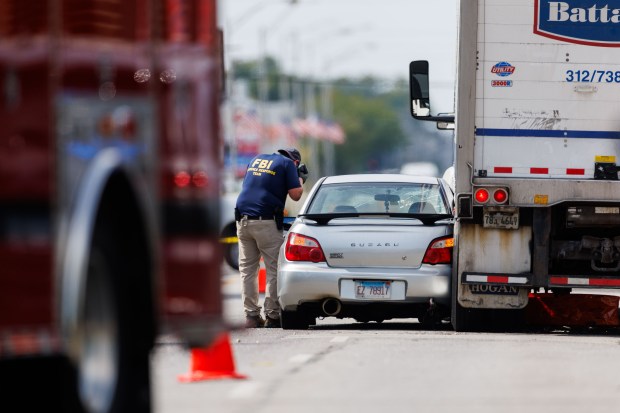
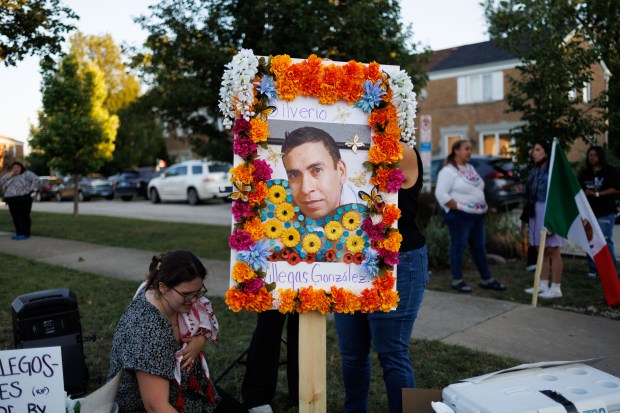
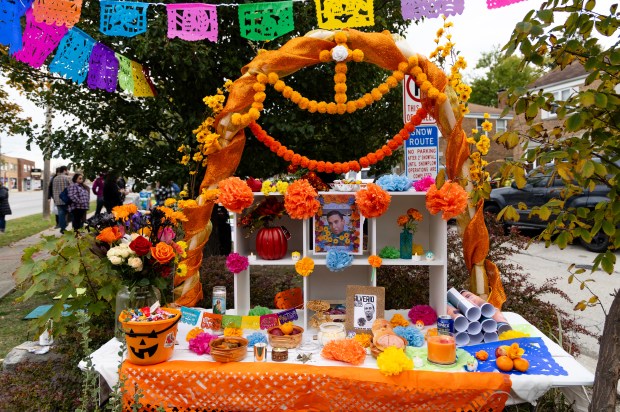
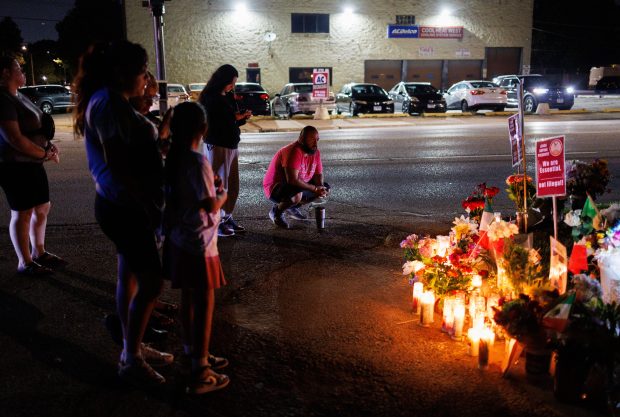
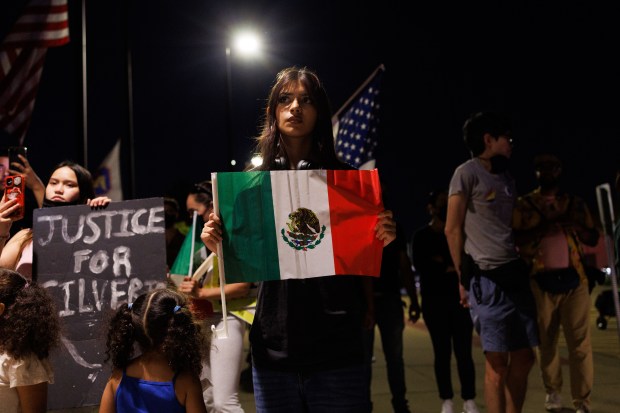
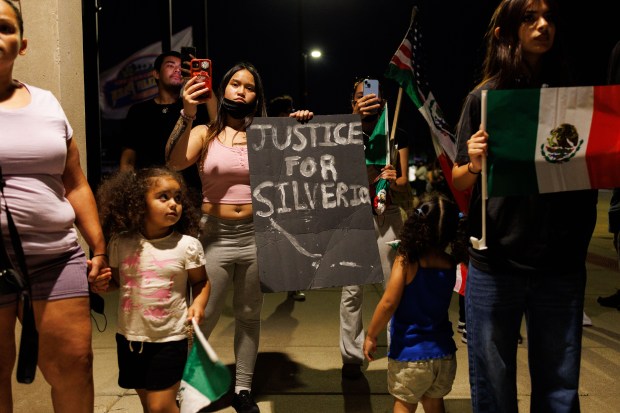
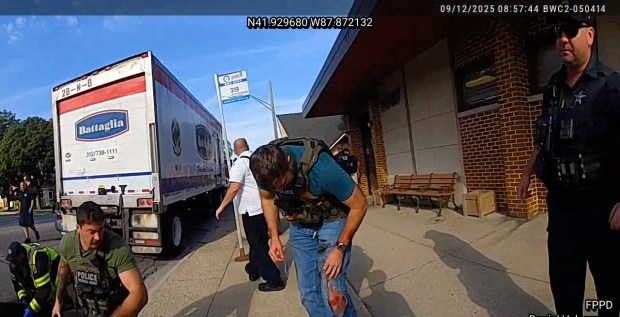
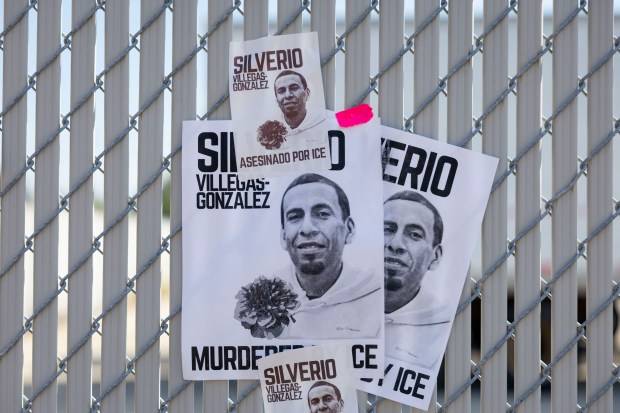
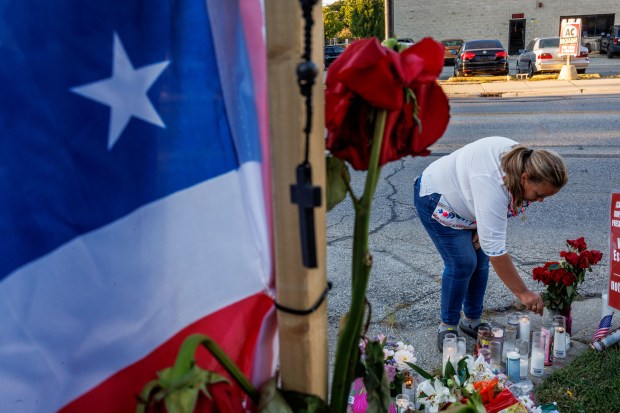
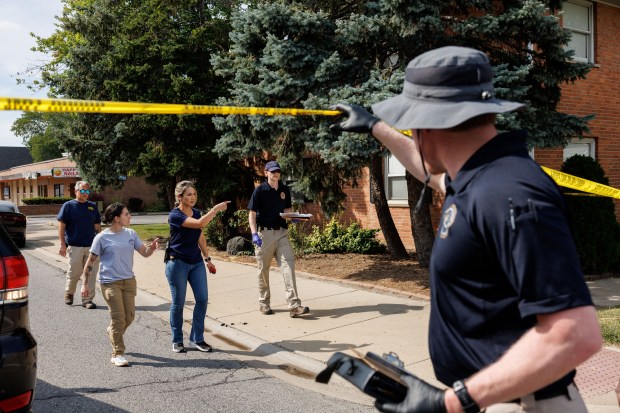
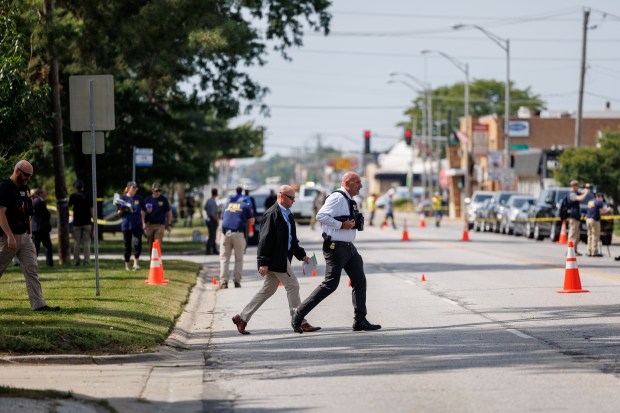
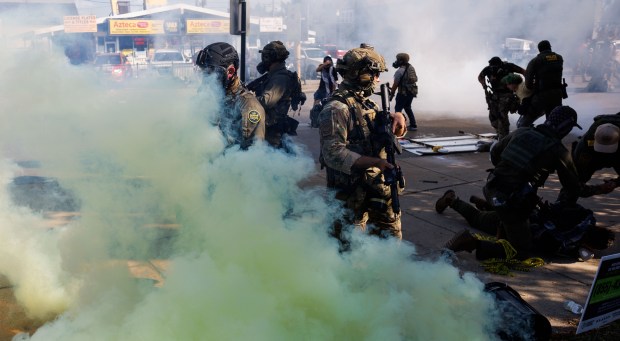
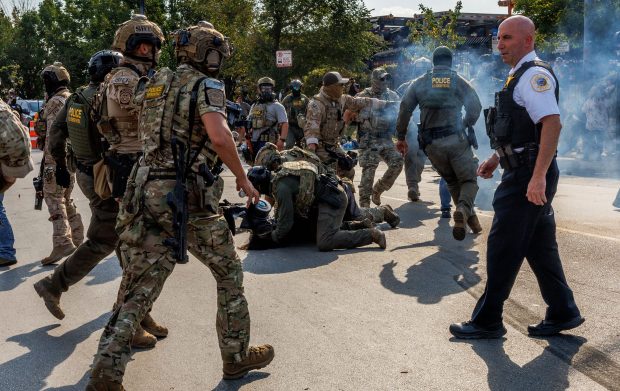
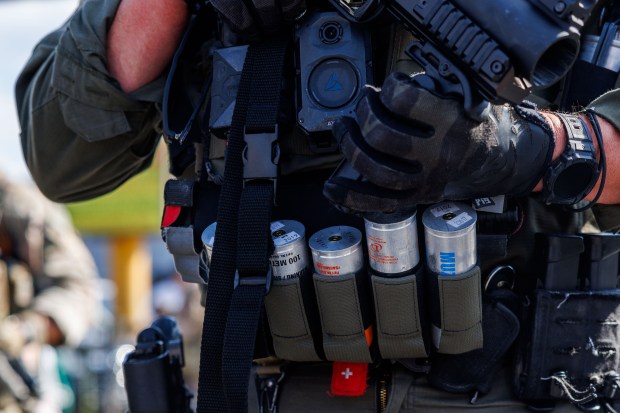
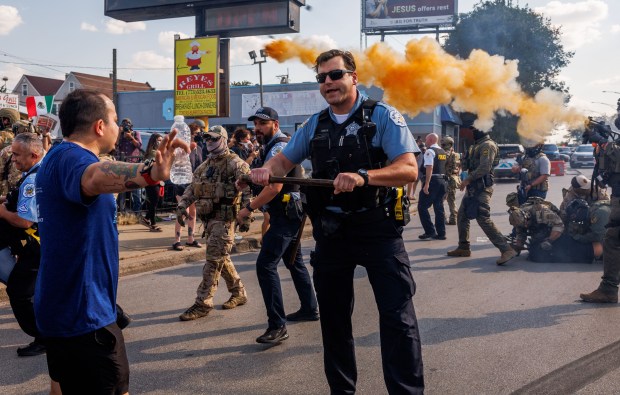
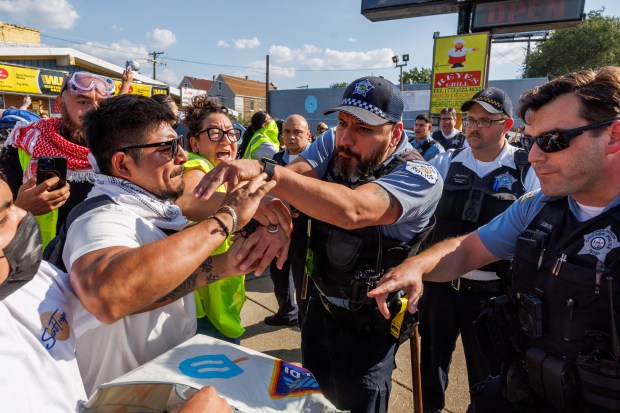
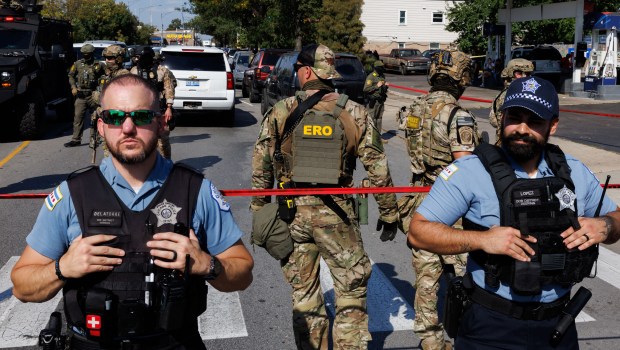
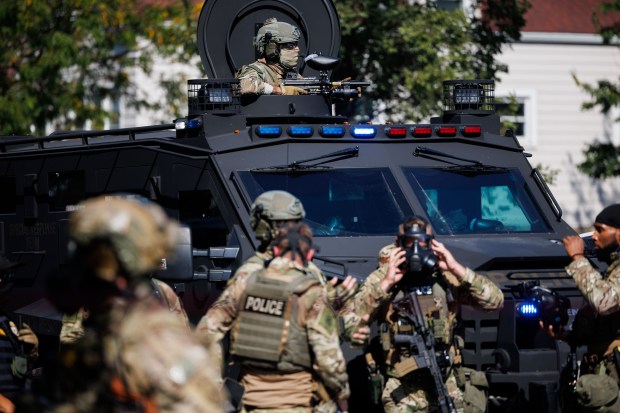
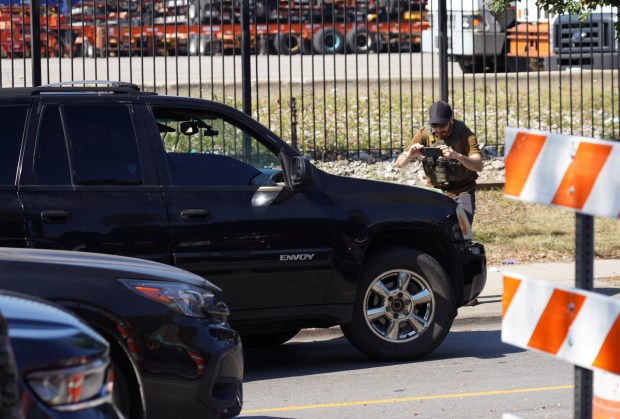
The petition accused Burke of failing to act during the operation, outlining numerous clashes between agents and civilians throughout the fall, most seriously the killing of Silverio Villegas González in September and the wounding of Marimar Martínez in October. The issue of state prosecutors pursuing criminal charges against immigration agents has been an ongoing matter of public debate, with advocacy groups pushing for state prosecutions in the absence of trustworthy federal investigations while Burke has said the law only allows her to charge on-duty agents in narrow circumstances.
In her ruling, Reddick, citing Illinois Supreme Court cases, found that an alleged political alliance with federal agents did not amount to an actual conflict of interest for Burke’s office. She also ruled that the prosecutor’s office lacks the authority to initiate a widespread investigation without law enforcement, noting a lack of evidence that local law enforcement has referred cases to Burke’s office.
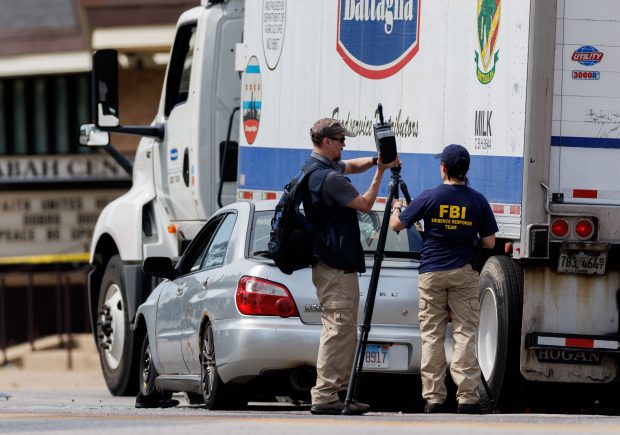
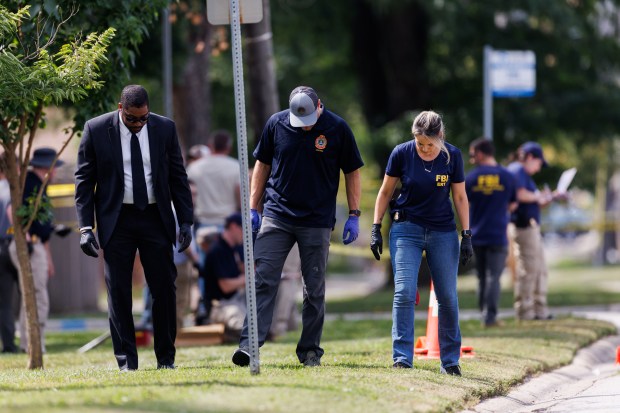
Reddick also said that, in a recent development, the state’s attorney’s office is supporting an Illinois State Police investigation into the shooting death of Villegas González, the first independent probe of federal agents’ actions during the deportation sweep.
Petitioners, though, told reporters after the ruling that community members’ attempts to file police reports during the height of the immigration enforcement operation were often rebuffed by officers who said there was nothing that could be done since the alleged perpetrators were federal agents. Community organizers called on civilians to try again to make police reports.
“There is a lot of resistance institutionally to the idea that federal agents should be investigated,” said Rubén Castillo, a former United States district judge and head of the Illinois Accountability Commission, which is investigating the immigration raids.
The petitioners, represented by attorneys of the civil rights firm Loevy & Loevy, had argued that Burke has a “political alliance” with federal law enforcement that has hindered her office from investigating alleged wrongdoing by federal agents during Operation Midway Blitz, pointing to an email sent in August by Burke’s former spokesman Matt McGrath to other county officials.
In the email sent shortly before the beginning of Operation Midway Blitz, McGrath said the office would not be able to sign onto a joint statement issued by Cook County officials that condemned attacks on Chicago made by President Donald Trump.



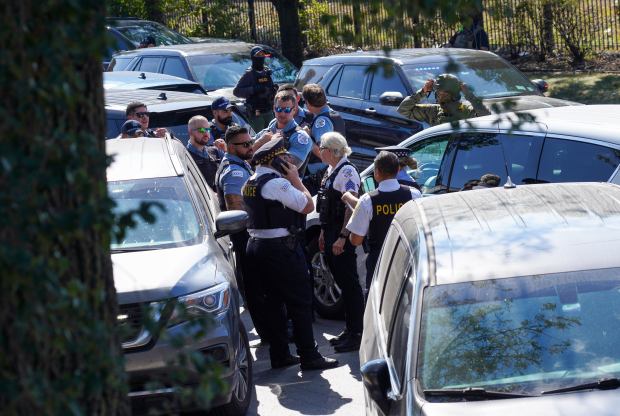
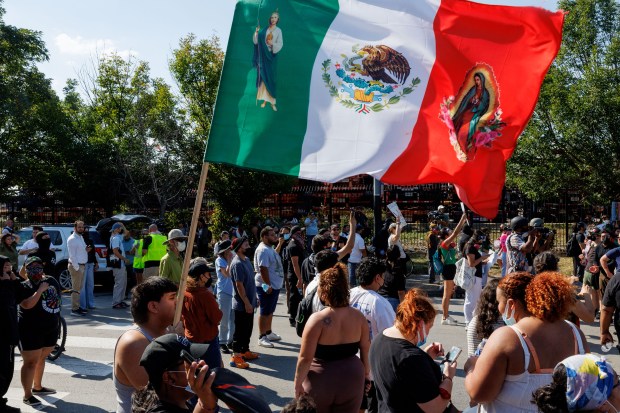
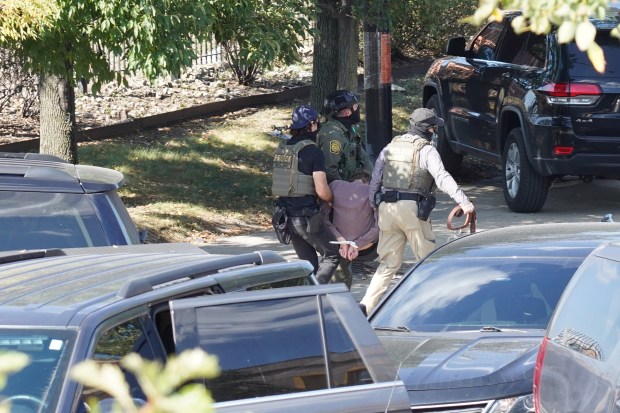
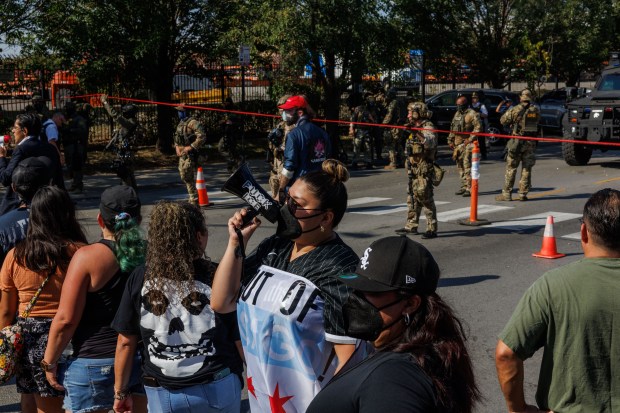
“We obviously share concerns about Trump’s actions, rhetoric and bluster. At the same time, the State’s Attorney’s top priority remains combating illegal guns, and to continue doing that effectively we need to maintain our excellent working relationships with the local ATF and other federal partners,” McGrath wrote. “So we will not be able to sign on.”
Representatives for the state’s attorney’s office argued during a hearing last month that they are “required to follow the law, even when it’s unpopular.” Yvette Loizon, chief of policy at the state’s attorney’s office, told the judge that declining to sign onto a political statement does not amount to a conflict, adding that making political statements can jeopardize prosecutions.
Loizon said prosecutors “certainly don’t have a relationship with ICE, certainly don’t violate the Trust Act.”
Attorneys for the petitioners had argued to Reddick that Martínez has publicly called for charges against the Border Patrol agent who shot her five times after they were involved in a car wreck in Brighton Park in October. She also referenced other allegations of attacks perpetrated by agents that were caught on video or documented in depositions or other court filings.
“These are not just brutal acts, they are crimes,” Meg Gould, an attorney for the petitioners, argued last month.


