
It’s not surprising the July 2002 killing of 18-year-old Jeff Signorelli in Aurora impacted his peers, including recently-graduated classmates from Aurora Central Catholic High School and those who knew him from West Aurora High School.
But Willy Nast was never able to put the story of that drive-by shooting far from his mind.
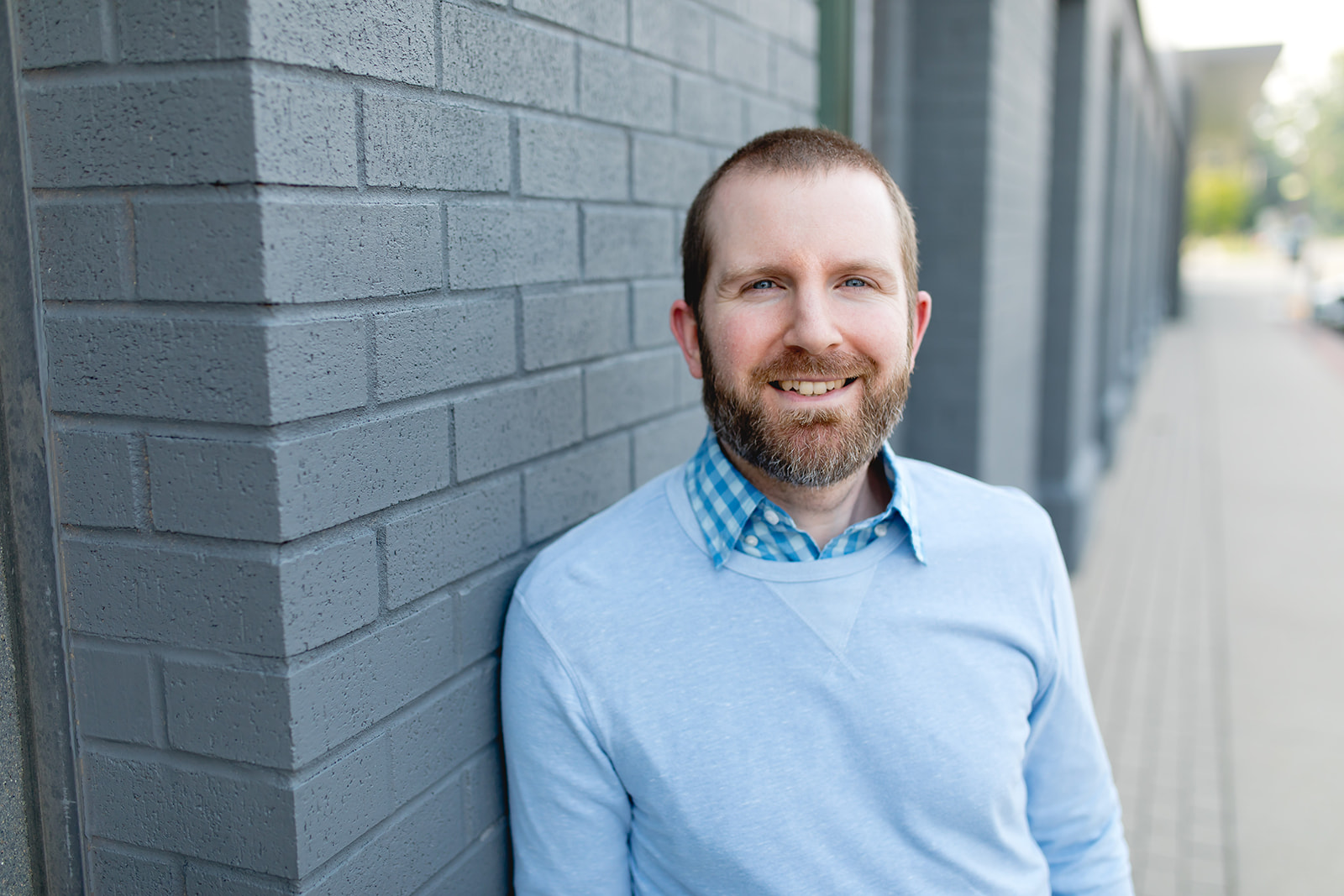
In February, the now 42-year-old West Aurora High School alum released a podcast about this unsolved case that has garnered more than 30,000 downloads, and that both Podcast Review and the BBC have listed as one of the top true crime podcasts so far for 2026.
Unlike most audio programs in this genre, “City of Lights” is not a whodunit that focuses on the investigation, Nast told me from his home in Ames, Iowa. Rather, it spotlights how this random act of violence affected others, in particular Al and Mary Ann Signorelli, who lost their only child when multiple shots were fired from the street into a garage in Aurora where a group of about 15 to 20 teens were gathered after working at Splash Country Water Park that summer evening over two decades ago.
While Nast had only met Jeff a couple of times, they had friends in common. And as time passed, he couldn’t help but think about the slain teen who never got a chance to experience life the way he and the rest of his peers were able. And so, as an English major at Northwestern University, Nast made this senseless crime the focus of his senior thesis.
The project involved going through old microfilm at the Aurora Public Library, where he discovered from Beacon-News coverage this killing was one of five in a four-day period that reflected the violent siege the city was under at that time.
Nast also met with the Signorellis for over three hours at their home on Aurora’s West Side, where he became convinced there was a compelling tale to tell about the frustrations of grieving parents who wanted to find a way to make their community safer.
It was at a time in Aurora’s history Al Signorelli described as “hideous.”
“It was not unusual to be working in the yard and hear gunshots,” he noted in the podcast, adding that “parents would not even let the kids play out in their yards.”
Nast continued meeting with the Signorellis on a regular basis, even as he carved out a successful career in learning and development – he’s now with McDonald’s Corporation – got married and began raising a family.
His first thought was writing a book. But after 100 pages produced little interest from publishers, in 2019 he turned to the idea of a podcast, especially after he realized all those taped interviews with the Signorellis over the years had produced such powerful content.

The following year Nast went “full on,” continuing discussions with the parents as well as many other sources, including former Beacon-News police reporters and local leaders working with – and at times against – the parents to bring the anti-crime initiative Cease Fire to Aurora.
Nast described the release of any podcast as “much like shouting into the void.” But after the six “City of Lights” episodes were made available, the podcast quickly found an audience, in large part because the series landed on some influential review spots, including the BBC’s and Apple Podcasts’ “New & Noteworthy” page.
As one reviewer noted, in a crowded true crime podcast genre, it was “something more special.”
Nast is also convinced a big part of this early success goes to the Signorellis, with one listener noting “how easy it is to root for them.”
“They are so engaging,” said Nast of Jeff’s parents. “And people want to hear their story.”
I’m glad I did, not just because I’ve interviewed the couple over the years or that I’m writing a column about the podcast. Nast has done a compelling job of taking listeners on a journey of discovery as he probes the case. And in doing so, he not only captures the roller coaster Al and Mary Ann Signorelli were forced to ride, but delves into the complicated political and systemic challenges of the state’s second-largest city at a critical phase in its history.
A good portion of the Signorellis’ angst centered on their frustrations – a kind way to put it – with the police department and other powers-that-be.
“I think it is important that people realize we tried to do what we could to bring some good crime prevention ideas to Aurora,” said Al, whose unsuccessful campaign for alderman in 2003 is also laid out in the podcast.
Nast does not shy away from calling out some of the main characters in this drama, including former police chiefs and local politicians, all of whom were given a chance to tell their side of the story, he said. But he’s also not afraid to question his own talents and agenda, at one point asking himself if what he was doing was even “justifiable.”
Still, the success of this docuseries is making its creator consider a Season 2, which would take a deeper dive into the investigation of the Signorelli cold case and, at a request from Al and Mary Ann, could explore more fully the impact Jeff’s killing had on his peers.
Aurora in itself is an “interesting town,” a fact Nast pointed out to me but also expounds upon in the podcast. As former Beacon-News reporter and editor Mike Cetera told him in an interview, it’s big enough to have urban issues but small enough where a young reporter can get to know the “great characters” that lived and worked there.
The Signorellis are more than pleased with the audio series. “It was very difficult to relive” that tragic and frustrating chapter of their lives, “but we thought it would be an important process for us personally,” said Al, “not just because of how we were affected but also other people.”
And, he added, even though it had been a top priority that “they find the killer or killers so Jeff’s friends would know there could be justice,” the passage of time has changed their expectations.
There’s always the hope “someone will be listening whose mind and heart would be changed” and they “would share what they know,” said Nast.
But that’s likely a long shot, all agree.
“I don’t know if I have a real clear answer as to why I made this podcast,” said Nast. Then he quickly added, “It just felt worthy of being told.”
dcrosby@tribpub.com