
On May 9, the date of this year’s spring bird count, it was warm and partly sunny in the morning, a perfect time for birds to sing. But it was quiet, except for the songs of a few year-round birds like cardinals.
Peering through binoculars into the tall oak trees, I could see movements of small migratory songbirds. They were searching for food, not singing.
I’ve noticed this phenomenon for several years now and though my observations are purely anecdotal, the scientific community is showing that birds are indeed singing less frequently and at softer volumes.
Researchers for the New Scientist documented a decline in the intensity and diversity of birdsong in North America and Europe over the past 25 years.
Another “silent spring” is at hand, and it’s related in part to the loss of food, namely insects, whose numbers are drastically declining along with birds.
Vocalization is incredibly important to birds in spring as a way to attract mates and deter competitors. If there’s less food, they are spending their energy on seeking nourishment, not on vocalizing to find a mate and replenish the species’ populations.
Bird populations have dropped by more than 3 billion individuals in the past five decades. “Almost all of these losses come from species that feed on insects, mirroring the ongoing declines of those insects themselves,” writes Sebastian Echeverri, a science communication specialist for the Xerces Society.
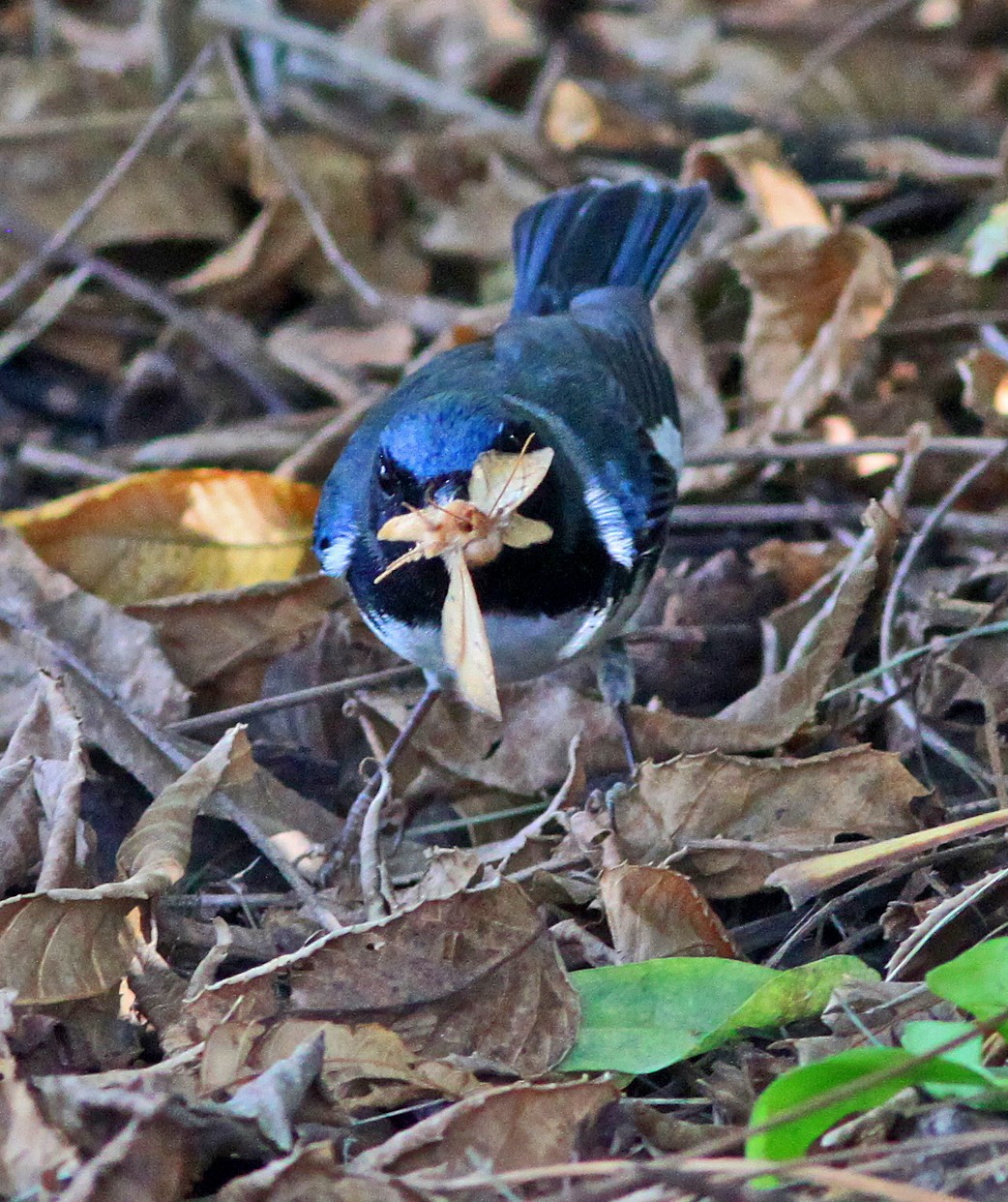
Many of the bird species migrating through the Midwest are insectivores, living in the neotropics in winter to have food for survival. They migrate north to breed where they can find more space to nest, and lots of food rich in protein for their young. That means spiders and insects, including grasshoppers, caterpillars, beetles, and moths. Fewer insects mean fewer young to be raised.
Whip-poor-wills, which catch insects in the air, have declined drastically in the past few decades, and that may be related to the loss of their preferred food – moths.
Scientists are linking the decline of insects in part to the overuse and misuse of pesticides, particularly neonicotinoids.
North American birds are declining most in three regional hotspots, including the Midwest, that are associated with intense agriculture, which includes the use of fertilizers and pesticides, according to a study published in the highly regarded journal Science.
So what if there are fewer insects and fewer birds? Whether or not you love birds or insects, the decline in these species should have you worried.
“Insects and other invertebrates are an irreplaceable part of every ecosystem on Earth,” Echeverri writes. “When insects are in trouble, so is everyone else.” Birds and insects are closely intertwined in the story of how we produce our food.
In her groundbreaking book, “Silent Spring,” published in 1962, Rachel Carson linked the decline in bird song to pesticide usage, leading to the banning of DDT in the United States. That helped birds of prey, like the bald eagle, whose eggs thinned and broke before they could hatch due to the effects of the pesticide.
But since then, many other, more harmful pesticides, including neonicotinoids, have been developed, and we are likely using more in various places now than ever. Some of these pesticides have long lifespans, even up to three years or more, and are able to drift far and wide, even ending up inside your house.
Of course, pesticides are necessary in certain circumstances, and we cannot ban them all. But we must be much more diligent in individual and widespread use of these chemicals and in understanding the role they play in the environment.
Some 4.4 billion pesticides are applied annually to American homes, gardens and yards, according to the National Center for Healthy Housing. That means individual homeowners can have a great impact on the welfare of insects and birds.
Do you really need to spray your entire garden and lawn with pesticides? Maybe only spray around the perimeter of your house for ant problems. Then the northern flickers, which consume ants, can visit your lawn and find something to eat.
Consider replacing part of your lawn with native plants, as I did, which will attract the insects like the caterpillars that birds eat and the bees that pollinate those native plants. When I see a bee visiting my native Virginia bluebells or shooting stars, I rejoice instead of cowering away.
Can we learn not to be so afraid of bees and spiders, and better understand insect ecology? Can you grow vegetables and flowers in your garden without having to spray so many pesticides?
I purchase coffee grown in a place in Mexico where no pesticides are sprayed. Instead, farmers employ integrated pest management techniques such as building traps used to catch borers that eat coffee berries.
Also, call your state representatives to support new bills that amend the Illinois Pesticide Act, which includes making it unlawful for any person to sell or distribute corn, soybean or wheat seeds coated or treated with neonicotinoids.
Since Carson’s “Silent Spring,” the U.S. has made major advancements in helping the environment, but the tides are turning, and we are now going backward instead of forward, in part due to recent federal government decisions.
I really want to hear more birds sing in spring, but even more than that, I would love for everyone to take a step in the right direction to save insects and avian life, which provide more to us than we will ever know.
Sheryl DeVore has worked as a full-time and freelance reporter, editor and photographer for the Chicago Tribune and its subsidiaries. She’s the author of several books on nature and the environment and co-author of a coming book on “Birds of the Midwest,” to be published by Timber Press. Send story ideas and thoughts to sheryldevorewriter@gmail.com.