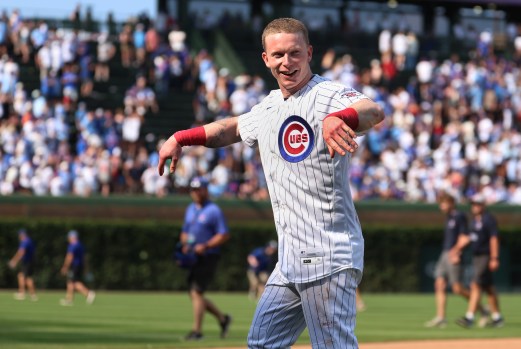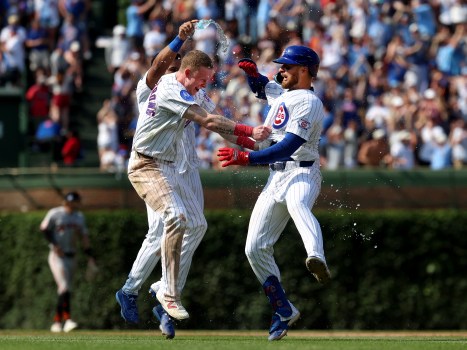


The City Series between the Cubs and White Sox is a time to celebrate all that’s good about Chicago baseball.
This weekend’s opening round at White Sox Park has managed to recapture the glow of the old days, when characters such as A.J. Pierzynski and Carlos Zambrano fueled the crosstown rivalry and colorful managers such as Ozzie Guillen and Lou Piniella kept us in stitches with their pregame news conferences.
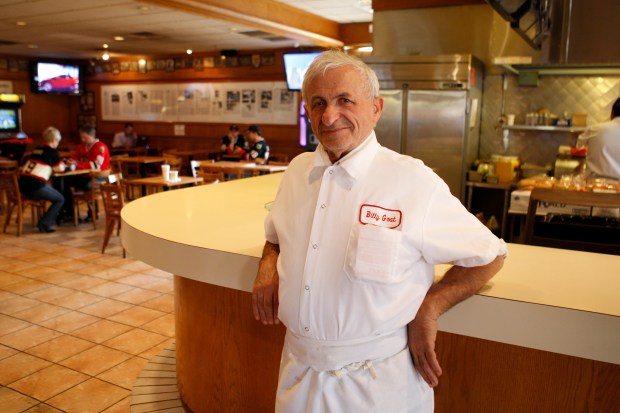
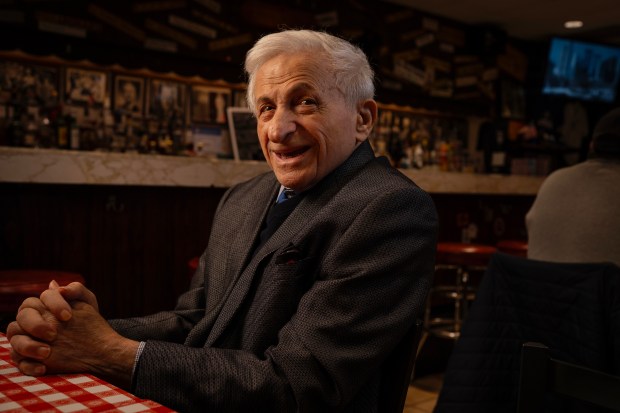
Before the Cubs broke open a tense affair Friday with a 10-5 win in the City Series opener, the city learned of the passing of legendary saloonkeeper Sam Sianis, who might have had more influence on the Cubs organization than any fan in history.
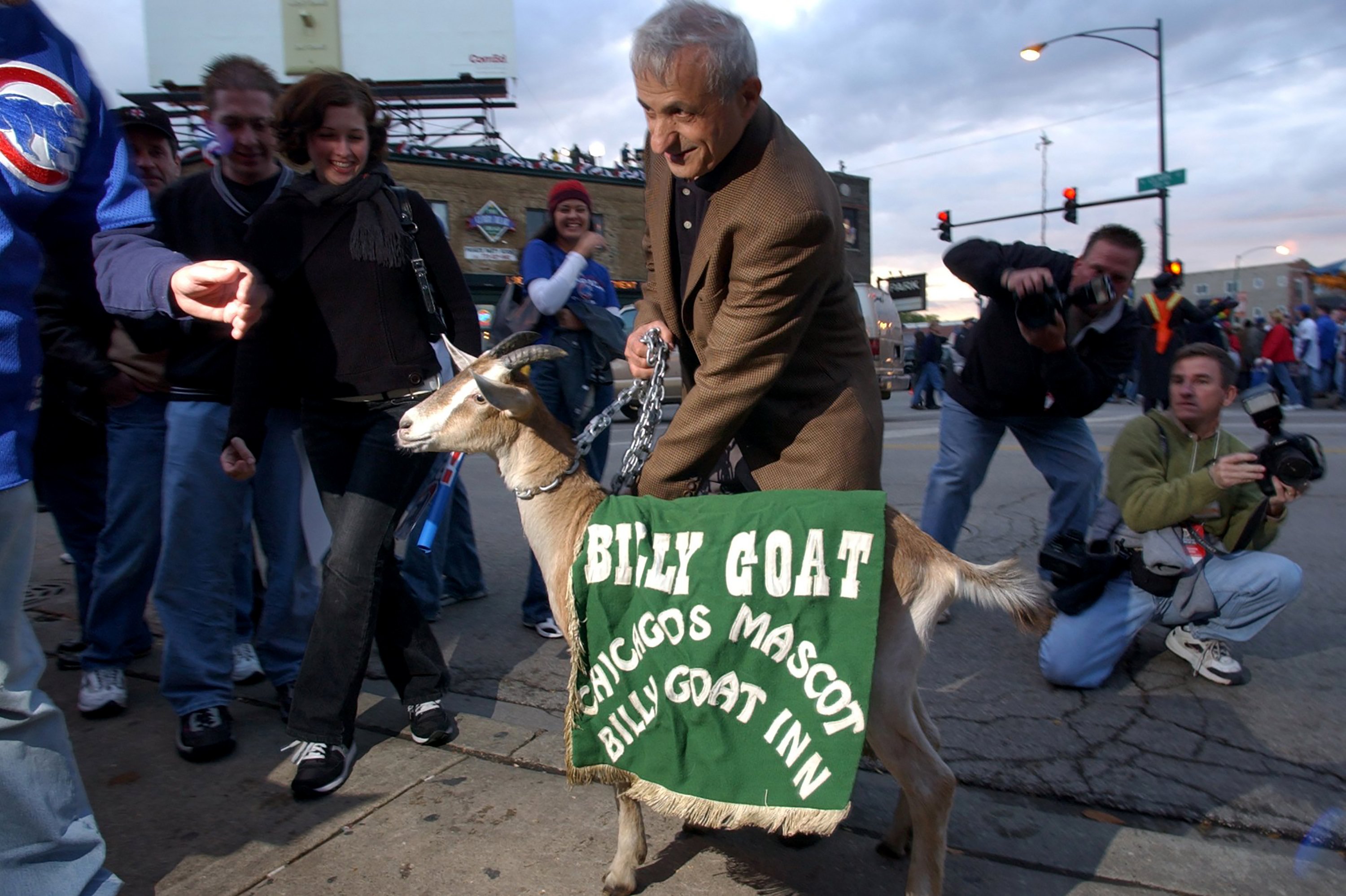
Sam Sianis of the Billy Goat, Chicago’s most famous saloonkeeper, dies at 91
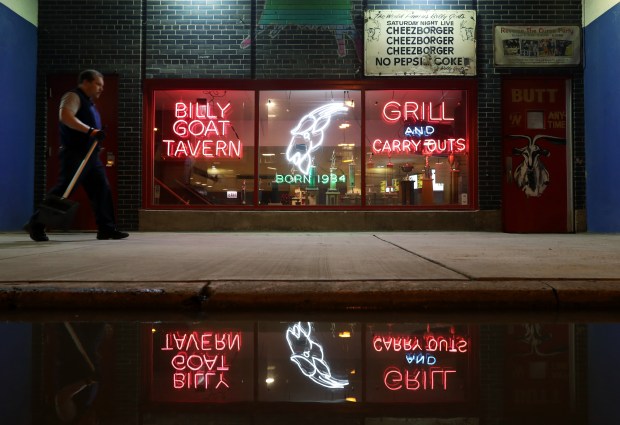
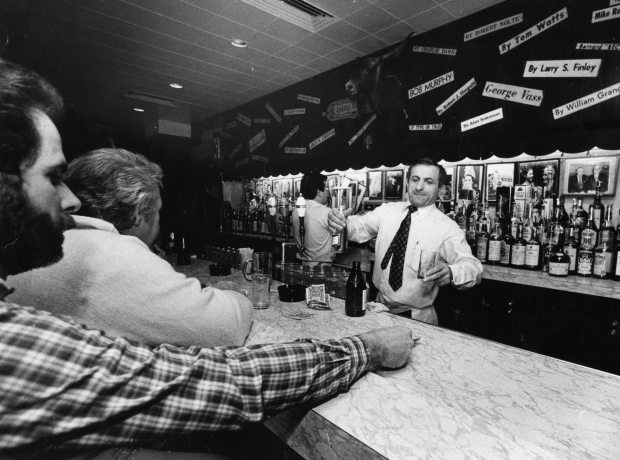
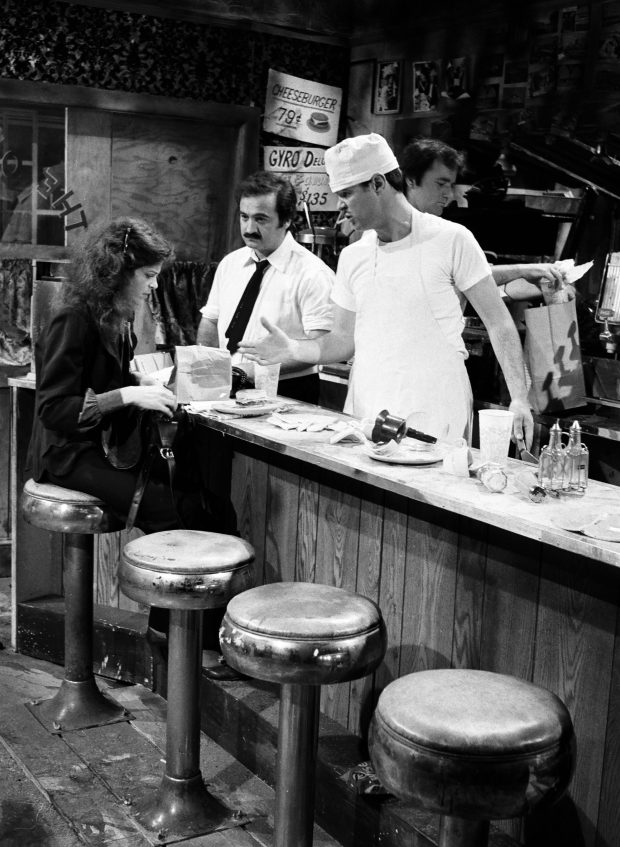
Sianis, who died Friday at Endeavor Swedish Hospital at age 91, was the owner of the Billy Goat Tavern, which gained national fame for the “Saturday Night Live” “cheezborger, cheezborger” skit starring Chicagoan John Belushi.
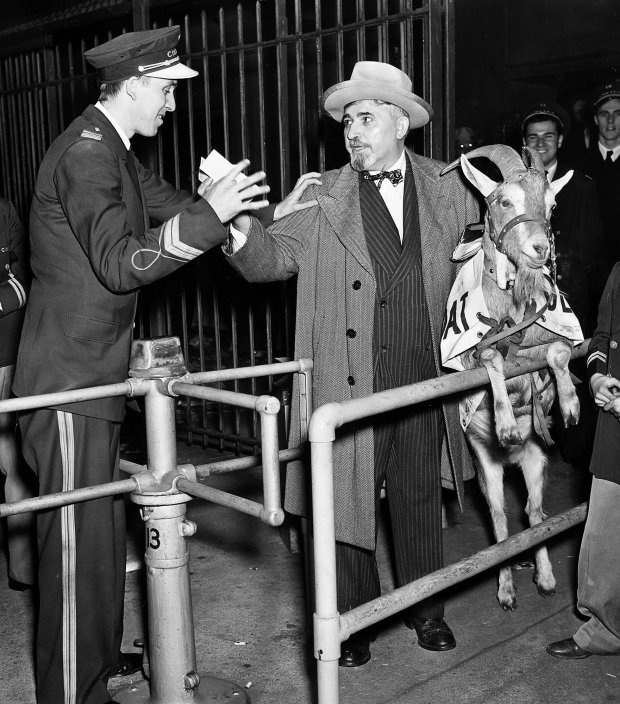
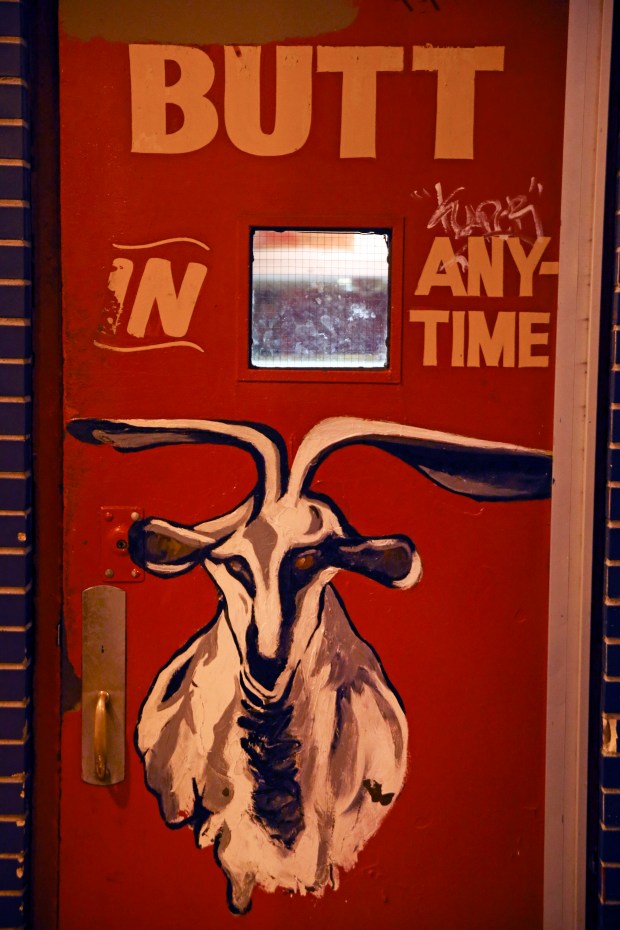
It was there where Sianis inherited ownership of the famous “Billy Goat Curse” placed on the Cubs organization by his uncle William Sianis after the team refused to allow Williams to bring his pet goat into a 1945 World Series game at Wrigley Field.
Originally there was no mention of a curse after the snub, but when newspapers kept making references to one, William Sianis played along, knowing good marketing when he saw it. Sam just took it to another level.
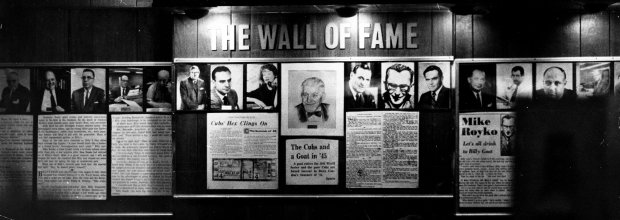
The curse was a local legend that gained steam in the 1960s and ’70s when the Cubs’ World Series drought continued, especially following the 1969 collapse. Newspaper writers, including the Tribune’s “In the Wake of the News” columnist David Condon and the Daily News’ Mike Royko, helped spread the legend in their columns. (Full disclosure: I knew Sam Sianis well from many trips to his establishment, and Royko hired me as his legman while we were sitting at adjoining barstools at the Billy Goat one hazy night in 1985.)
Before William Sianis died in 1970, he told Condon that he put the curse in his will for his heirs, saying “no one will insult my goat.”
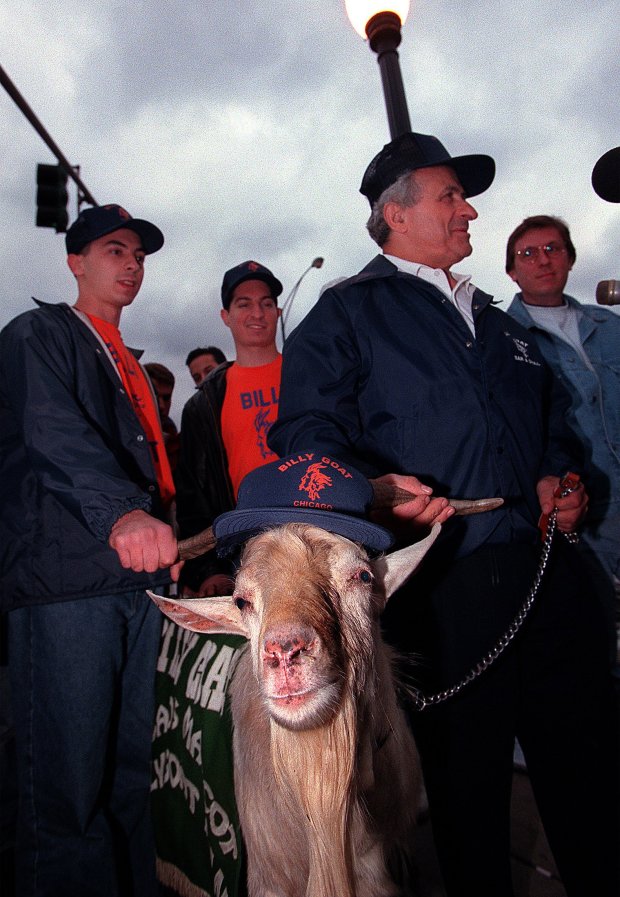
According to Rick Kogan’s book on the Goat, “A Chicago Tavern: A Goat, a Curse and the American Dream,” Sam Sianis first tried to remove the curse before a game at Wrigley on July 4, 1973, pulling up to the ballpark in a limo with the goat and Condon. But he was denied entrance, and even Fergie Jenkins was told “no” when the Cubs Hall of Fame pitcher tried to get the goat past security into the clubhouse.
The curse was kept intact, but Sam added an amendment, saying Jenkins “was the only one to understand (the curse), so whenever he pitches, the curse will not be in effect.”

Sianis tried to buy two season tickets in 1974 — one for him and the other for his goat — but was denied by the Cubs, then owned by Philip K. Wrigley. After Tribune Co. bought the team in 1981, Chairman Andy McKenna vowed to welcome the goat to Wrigley to change their luck, which surprised incoming general manager Dallas Green. “Goat? What (bleeping) goat?” Green said. “Can he play center field?”
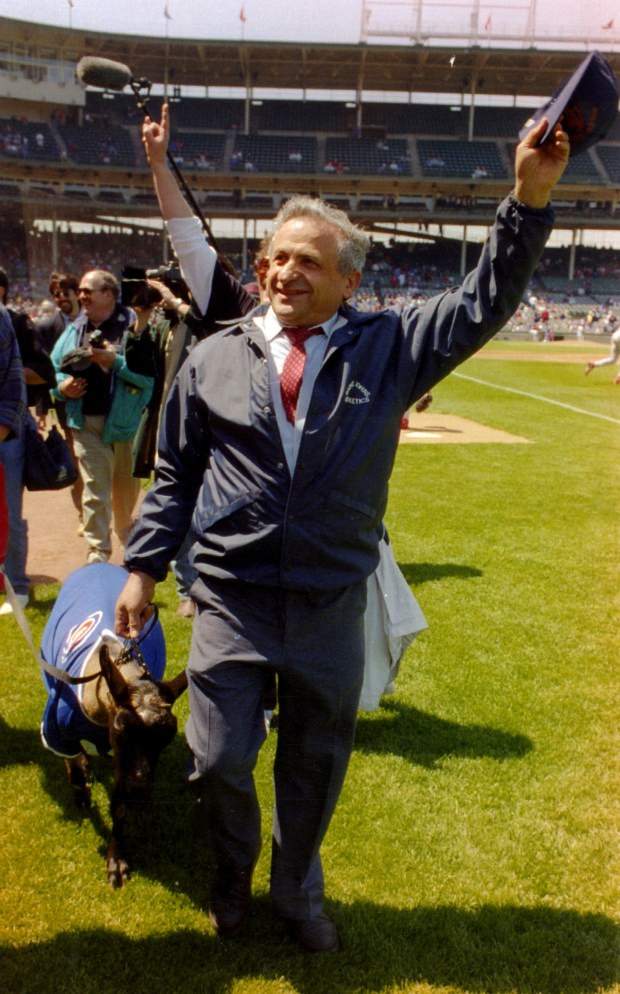
Tribune executives invited Sianis for the home opener in 1982, and paraded the goat around the field as fans chanted “Goat! Goat! Goat!” In a Tribune column headlined “Cubs gain a goat, lose a good excuse,” Sianis told Anne Keegan: “The goat, he lift the hex. Now they gonna win. All is forgiven. But it sure take ’em a long time to catch on.”
The hex was lifted, but the Cubs remained the Cubs. They came close in 1984, and again in 2003, but fell short of a World Series both times, losing playoff games in heartbreaking fashion.
Sianis made more overtures to the Cubs to end the curse over the years, but the legend only grew as the title drought continued. When the Ricketts family bought the team in 2009, Chairman Tom Ricketts said he didn’t believe in the curse, adding: “If anybody on our team thinks he’s cursed, we’ll move him to a less accursed team.”
During a losing season in 2011, pitchers Ryan Dempster and Kerry Wood had T-shirts made for the team that read “F— the goat” on the back, and featured a cartoon billy goat on the front behind the international symbol for no.
Were the Cubs players embracing the curse?
“I’m not Dr. Phil,” manager Mike Quade replied. “Do you embrace it? Do you want to laugh at it? Do you want to hide from it?” Due to the profanity, Ricketts banned the Cubs from wearing the T-shirts on the field. One player then altered his to read “Sully’s the goat,” so I put my own curse on him. He was out of baseball the following year.
Things got weird in 2013 when someone anonymously delivered a goat’s head to Wrigley in a box, addressed to Ricketts.

A happy ending occurred on Nov. 2, 2016, when the Cubs won Game 7 of the World Series in Cleveland, ending the story once and for all. Team leaders, including Jon Lester, Jason Heyward and Anthony Rizzo, convinced Ricketts to include a billy goat logo inside the championship ring as a nod to the breaking of the curse.
“Kind of get it all out there,” Heyward said afterward. “It’s cool that they recognized everything. There’s some detail in it. I know they asked me and some of the guys what logo should be on there, to try to decide whether it should be the small bear or (the goat). I just said ‘Do whatever logo the team won it in.’ We broke the curse, so I felt like that logo deserves to be on there.”
The Curse of the Billy Goat may have been a piece of newspaper fiction, but it added an aura to the Cubs that helped turn it into a beloved franchise, while also selling a lot of newspapers. And by embracing and promoting the curse, often with the aid of Royko’s columns, Sianis inadvertently became one of the greatest marketers in Cubs’ annals.
Hopefully the Cubs will do the right thing and acknowledge Sianis’ passing before Monday night’s game at Wrigley, where the Cubs have a 15-game home win streak, their longest since an 18-game streak in 1935.
Let’s raise a glass for a true Chicago original, and for a goat that once owned this town.