


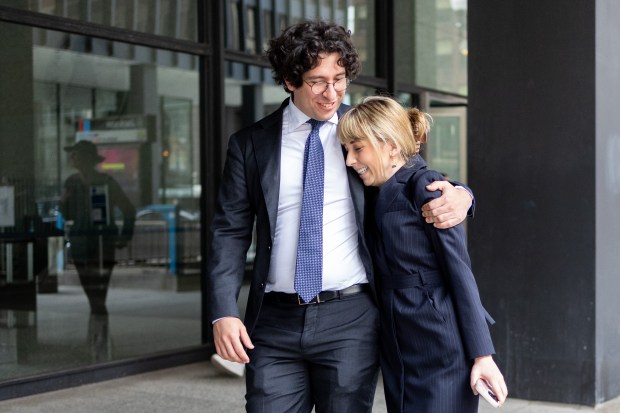
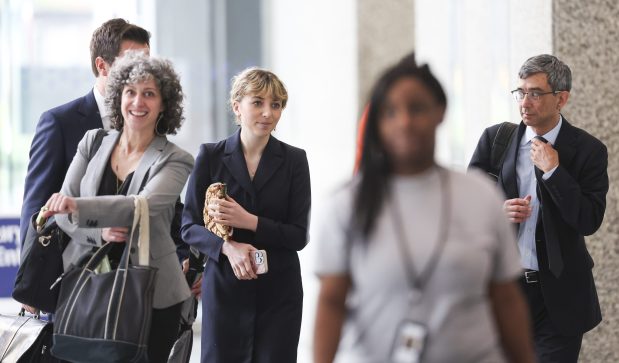


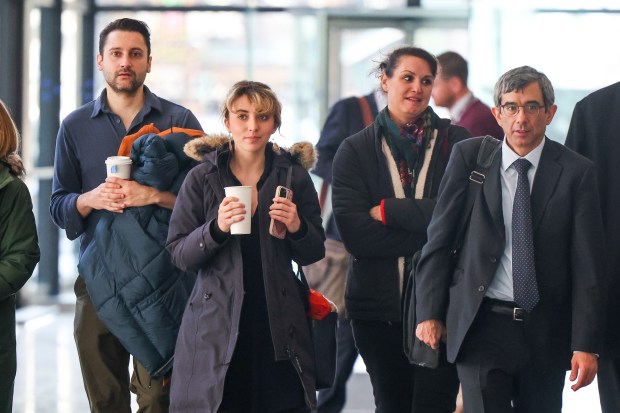
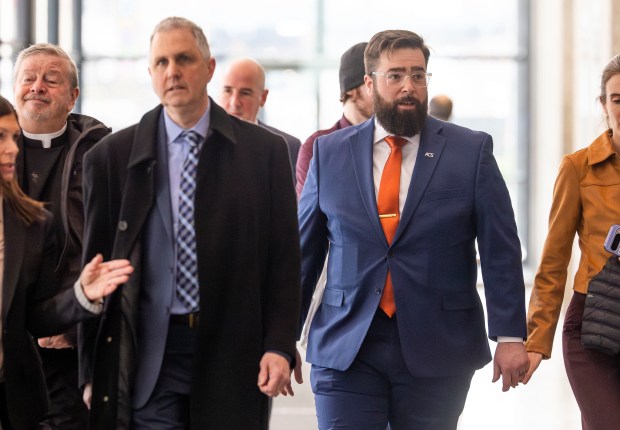
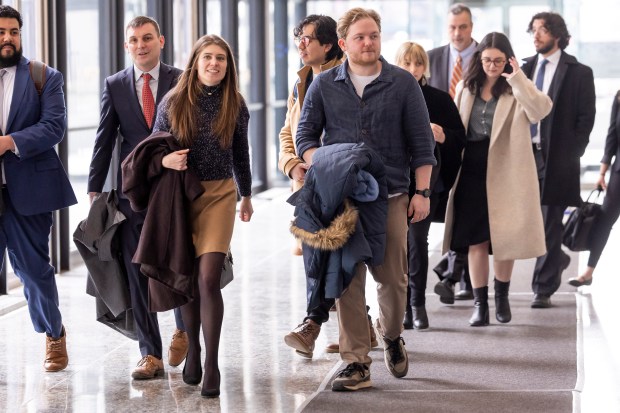
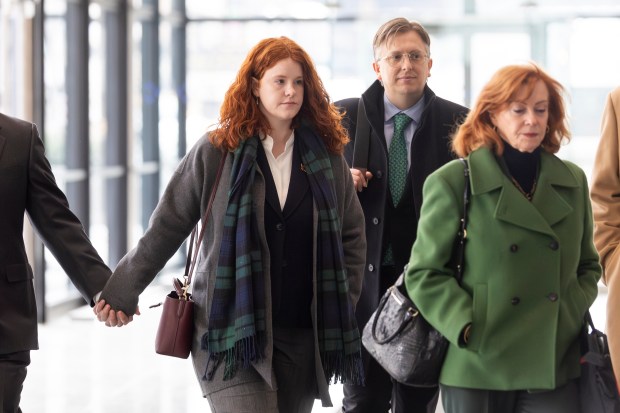
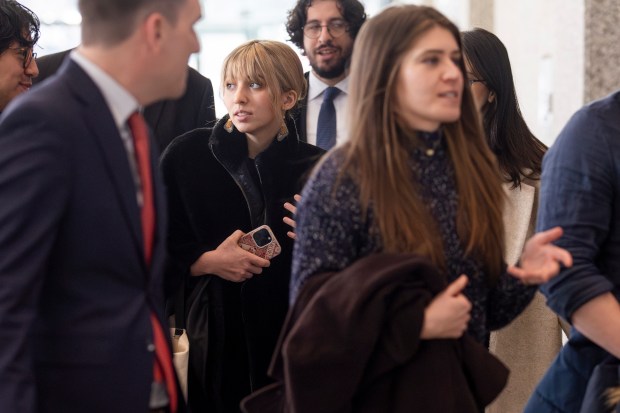
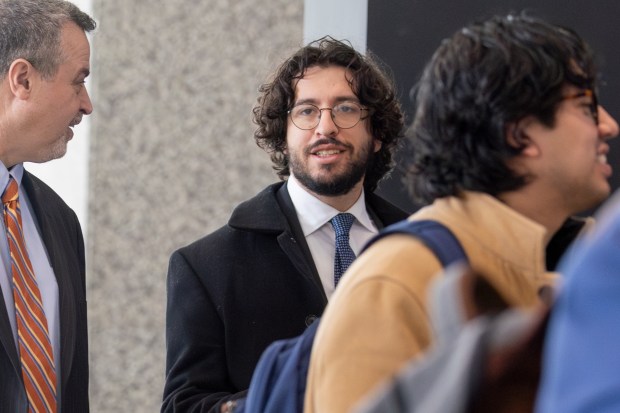


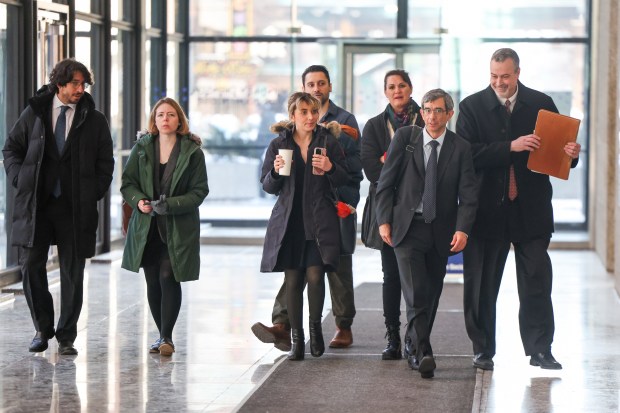

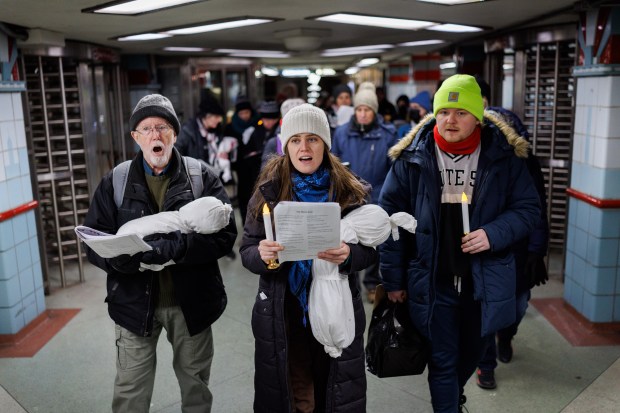
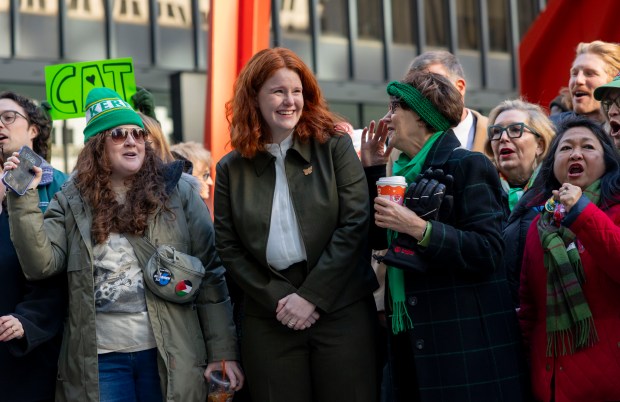
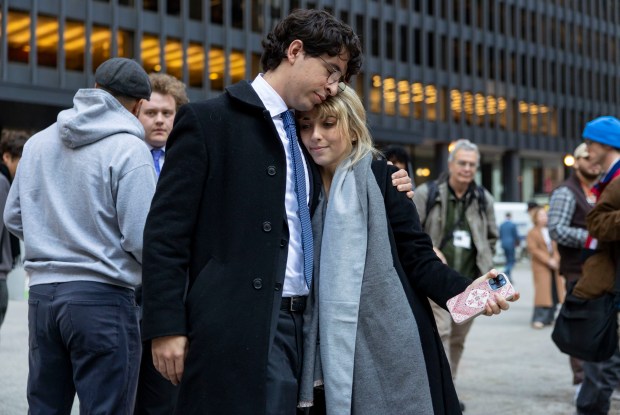

For weeks, Chicago’s U.S. attorney’s office has tried to tamp down a scandal over alleged misconduct in grand jury sessions by focusing on a single prosecutor who handled the now-defunct “Broadview Six” case against Operation Midway Blitz protesters.
U.S. Attorney Andrew Boutros has ordered a top-to-bottom review of some 100 criminal investigations handled by Assistant U.S. Attorney Sheri Mecklenburg dating back to 2007. His office already has proactively turned over transcripts and even audio recordings of Mecklenburg’s grand jury sessions in at least a half dozen cases, and outright dismissed charges against some 10 defendants — with more potentially to come.
But no one with working knowledge of the U.S. attorney’s office believes Mecklenburg, a 20-year veteran and loyal line prosecutor with an otherwise good track record, was operating in a vacuum.
So the question remains: How far will the damage spread?
An answer could begin to crystallize in the coming weeks, as U.S. District Judge April Perry decides how much the government should have to pay in legal fees to the Broadview Six defendants, and decides whether to hold hearings on potential sanctions against the U.S. attorney’s office and the appointment of special counsel to determine whether the conduct of prosecutors warrants contempt charges.
Prosecutors are scheduled to file a motion arguing their view on all of those thorny issues on Tuesday, and attorneys for the former defendants then have two weeks to reply. Perry could issue rulings anytime thereafter.
If the judge does go forward with public hearings, it would escalate a summer of already unprecedented turmoil for Chicago’s storied U.S. attorney’s office, with high-level staff, including potentially Boutros himself, being forced to answer questions under oath about their actions in the Broadview case.

Such a public spectacle would be extremely rare for an office that for decades has been considered a model of professionalism that largely operated independently of any political winds blowing from Washington, D.C.
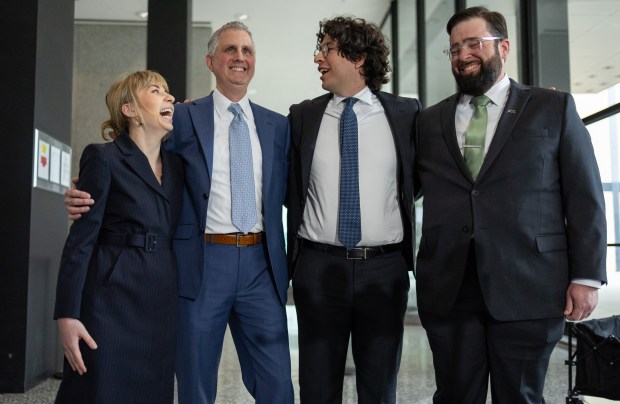
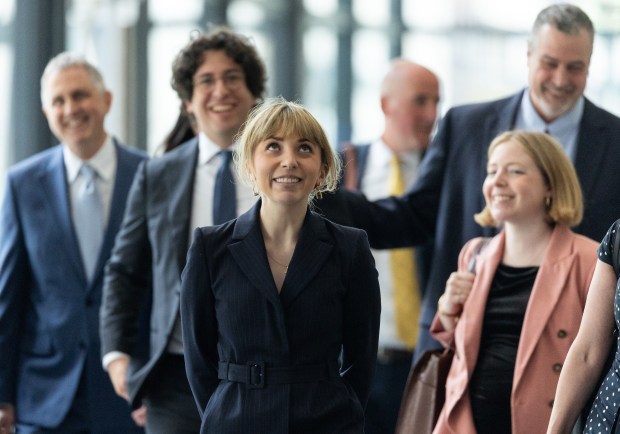
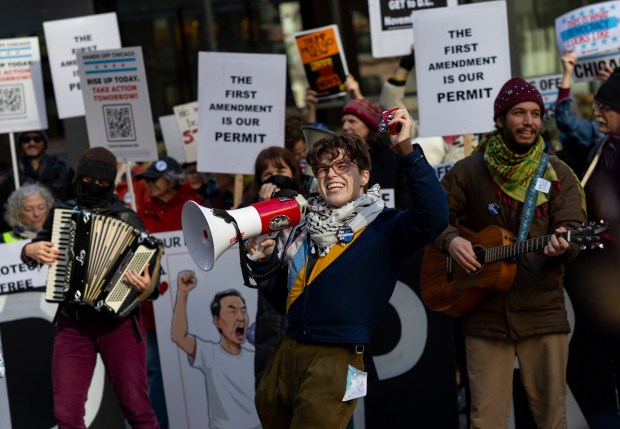
But attorneys for the Broadview Six have believed since the get-go that the decision to indict the group of local Democratic activists for allegedly impeding an ICE agent’s vehicle during a Sept. 26 protest was politically motivated amid pressure from President Donald Trump’s administration to make an example of them.
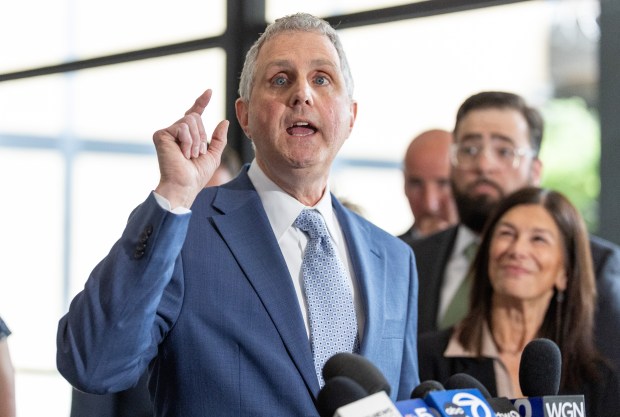
Boutros, who was first appointed in March 2025 by then-U.S. Attorney General Pam Bondi, has publicly denied bringing any cases for political reasons. In an interview in March to mark his first year on the job, he bristled when asked about that very perception, jabbing a finger on the table and telling reporters for the Tribune and Sun-Times “you should write this down.”
“There’s not a single case involving politics in our decision-making, full stop period,” he said then. “Zero. And anyone who says otherwise is misstating reality, and anyone who says otherwise is an armchair expert who doesn’t know what they’re talking about, period. And I don’t need to say anything else on that.”
To get to the bottom of it all, Perry could order the government to turn over any intra-office communications showing who was aware — and when — that Mecklenburg had acted the way she did before the grand jury, including improperly “vouching” for the strength of the evidence, telling grand jurors who were skeptical that they should leave, and having “ex-parte” communications with some jurors before finally securing an indictment on Oct. 23.
The judge also has called out the decision to redact the misconduct from transcripts that were given to her at the defense’s request, blatant omissions that she said left her “incredibly shocked” and questioning the “presumption of regularity” that usually is afforded the government.
“I think there is also a potential here, separate and apart from the merits of this case and how this case ends up proceeding, on sanctions for prosecutorial misconduct and for potential ethical violations, including lack of candor to the court,” Perry said on May 21, when the Broadview Six case collapsed.
Whether any inquiry will reach beyond Chicago is still unclear, but many veterans of the office believe it’s highly likely Boutros was getting significant pressure from Washington during Operation Midway Blitz, which had sparked fierce resistance and garnered national headlines that caught the attention of the White House.

In fact, after then-Democratic congressional candidate Katherine “Kat” Abughazaleh posted video of a similar confrontation in Broadview earlier in September where an immigration agent allegedly slammed her to the ground, the White House press office issued a statement saying, “Obstructing law enforcement (which is what you just posted a video of yourself doing) isn’t a First Amendment right. It’s a crime.”
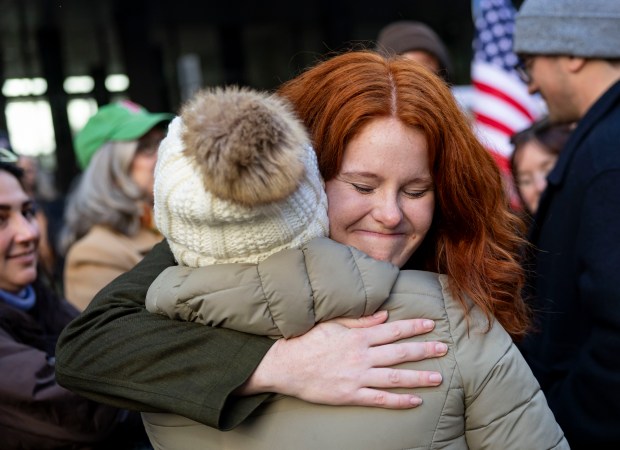
Abughazaleh and the rest of the Broadview Six were indicted a month later and became one of the highest-profile criminal prosecutions to emerge from the Trump administration’s two-month immigration surge in Chicago.
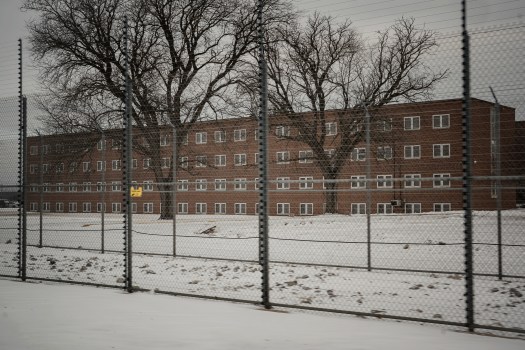
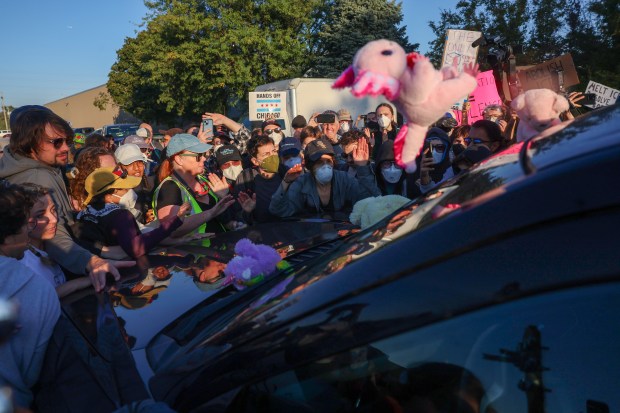
Prosecutors alleged the defendants were part of a group that surrounded an Immigration and Customs Enforcement vehicle outside the Broadview facility during a Sept. 26 protest and “banged aggressively” on the vehicle’s side and back windows, hood and doors, and crowded together to impede the vehicle. The initial indictment charged them each with a count of felony conspiracy that could have brought up to three years in prison.
When the trial was pending earlier this year, federal prosecutors vehemently denied any political motivation for the charges and said the insinuation of any collaboration with the White House was “the product of fevered paranoia and delusional speculation.”
Perry initially had denied the defense’s request for any emails or other communications Boutros’ office may have had with officials in Washington, saying she trusted prosecutors when they said that no such records existed. She also said it wasn’t “appropriate” to order the U.S. attorney’s office to “report exactly how it went about its searches.”
“The prosecutors know how to do their jobs,” Perry said in her ruling in April. “They know that their law licenses in this case are on the line if they do them inappropriately. I am not going to micromanage the specific way they go about the search.”
But any assumptions that the U.S. attorney’s office was playing it straight have since eroded. On the day the Broadview Six case collapsed May 21, Perry told the prosecution team that she’d relied on them as officers of the court because their “sole goal is to do justice.”
“I do believe deeply in the presumption of regularity and that most government attorneys are doing the best they can to do the right thing,” Perry said. “That trust has been broken.”
Since then, defense attorneys have renewed their request for any “documents, communications and records,” including emails, texts and cellphone data, between members of Boutros’ office and top officials in the Trump administration, including acting U.S. Attorney Todd Blanche and his top deputy, Aakash Singh.
Singh, who is responsible for coordinating with the 93 U.S. attorneys across the country to advance the president’s law enforcement priorities, has been shown to have micromanaged other immigration-related prosecutions around the same time as Midway Blitz.
Earlier this year, a federal judge in Tennessee ruled Singh was at the center of the vindictive prosecution against Kilmar Abrego Garcia, who was charged with human trafficking after embarrassing the Trump administration over his wrongful deportation to El Salvador.
Records made public in Garcia’s case showed Singh exchanged dozens of detailed emails and texts with top-line prosecutors in Tennessee about the status of that highly political investigation, including one telling the then-acting U.S. attorney in Tennessee: “I appreciate you … and your teams pushing on this. It’s a top priority for us.”
Last month, Bloomberg News reported Singh also caused tension in the U.S. attorney’s office for Washington, D.C., by micromanaging the White House-directed law enforcement surge there in August 2025.
After multiple grand juries refused to indict cases against people who had been arrested during the Washington surge, Singh instructed prosecutors to ask the chief judge to dismiss grand jurors who presented hurdles and then “rinse and repeat” before a new panel, Bloomberg reported.
Strikingly similar issues arose in the Broadview Six case in October — albeit with different results.
On the day he announced he was dismissing all remaining charges in the case, Boutros seemed to go out of his way to tell Perry that he’d personally told his team to go back to the same grand jury that had refused to return an indictment and try again.
“The reason we didn’t go into a new grand jury was because we were concerned that by going into a different grand jury, we may be perceived as forum shopping, unwilling to respect the decision of the grand jury,” Boutros said in court May 21.
Boutros noted many legal scholars consider the grand jury to be the “conscience of the community” to protect against overzealous or political prosecutions.
“And so given that view, it was important to me that I say we will go back into the same grand jury again and do it right as opposed to trying to go into a new grand jury, which would have certainly eliminated all of these issues,” Boutros said at the time.
Boutros also acknowledged that he was aware “in real time” of the issues with Mecklenburg excusing grand jurors who were critical of the prosecution’s presentation and that he “immediately called off that grand jury session” because of it.
He said he issued “all-office guidance on what you are to do as an AUSA if you confront grand jurors who don’t want to deliberate or if there is tension in the grand jury,” and also met with U.S. District Chief Judge Virginia Kendall, who supervises the district’s grand jury system, about the issues.

At the next grand jury session, Boutros made an unusual appearance before the panel to remind them of their civic duties, describing them as impartial umpires who are required to call balls and strikes.
Kendall also wrote a letter that was read to the grand juries meeting that day aimed at diffusing any remaining tension, the Tribune has reported.
Aside from the grand jury issues with Mecklenburg, Perry has made it clear that she found it more disturbing that prosecutors had tried to hide the wrongdoing from her by redacting large portions of the grand jury transcript before turning it over to her for inspection, which she had to do just days before the trial at the insistence of defense attorneys.
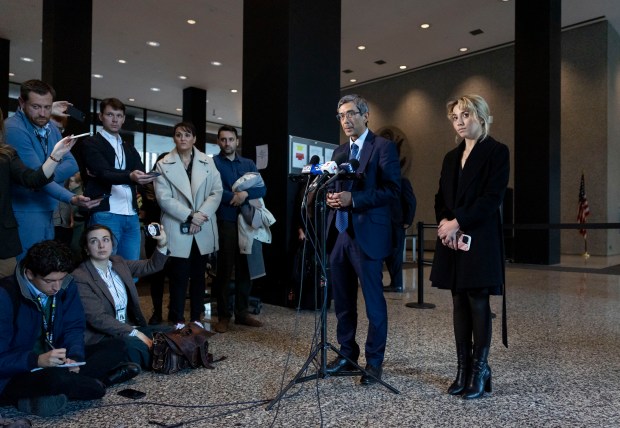
The day the charges were dismissed, Perry had ordered any prosecutors and supervisors involved in the redactions to appear before her. When the closed-door hearing began, two members of the trial team, Assistant U.S. Attorneys William Hogan and Matthew Skiba, were there, but neither Boutros nor any members of the front office showed up.
“All right, so it is you two who looked at the transcript and made a decision about what would be redacted? And only you two?” Perry asked Hogan and Skiba.
“Yes, mostly me,” Hogan replied. “I’ll take responsibility for it.”
Hours later, Boutros appeared in open court to dismiss the case. In doing so, he defended the trial team, saying they believed the judge had asked for only the portion of the grand jury transcript where jurors were instructed on the law, also known as the session “minutes.”
“I truly do believe that all of these prosecutors here, no one acted with the intent to mislead your honor,” Boutros said.
Defense attorneys, meanwhile, argue that with issues that likely go up to the highest levels of the Department of Justice, the only way to get to the truth is through the appointment of independent special counsel with subpoena power.
“The public trust cannot and will not be restored by anything less,” the defense said in a recent court filing.
jmeisner@chicagotribune.com