
Fireworks. Barbecue. Cold beer. These are hallmarks of Fourth of July celebrations. As Chicago and the rest of the nation get ready to celebrate the country turning the big 250, some might be surprised to learn that the country’s alcohol tax is almost just as old.
What started over 200 years ago as an isolated federal tax on whiskey is now applied across all categories of alcohol and, for most, at nearly every level of government. Crack open a beer anywhere in Illinois, and you will be paying it forward to the federal, state and local governments.
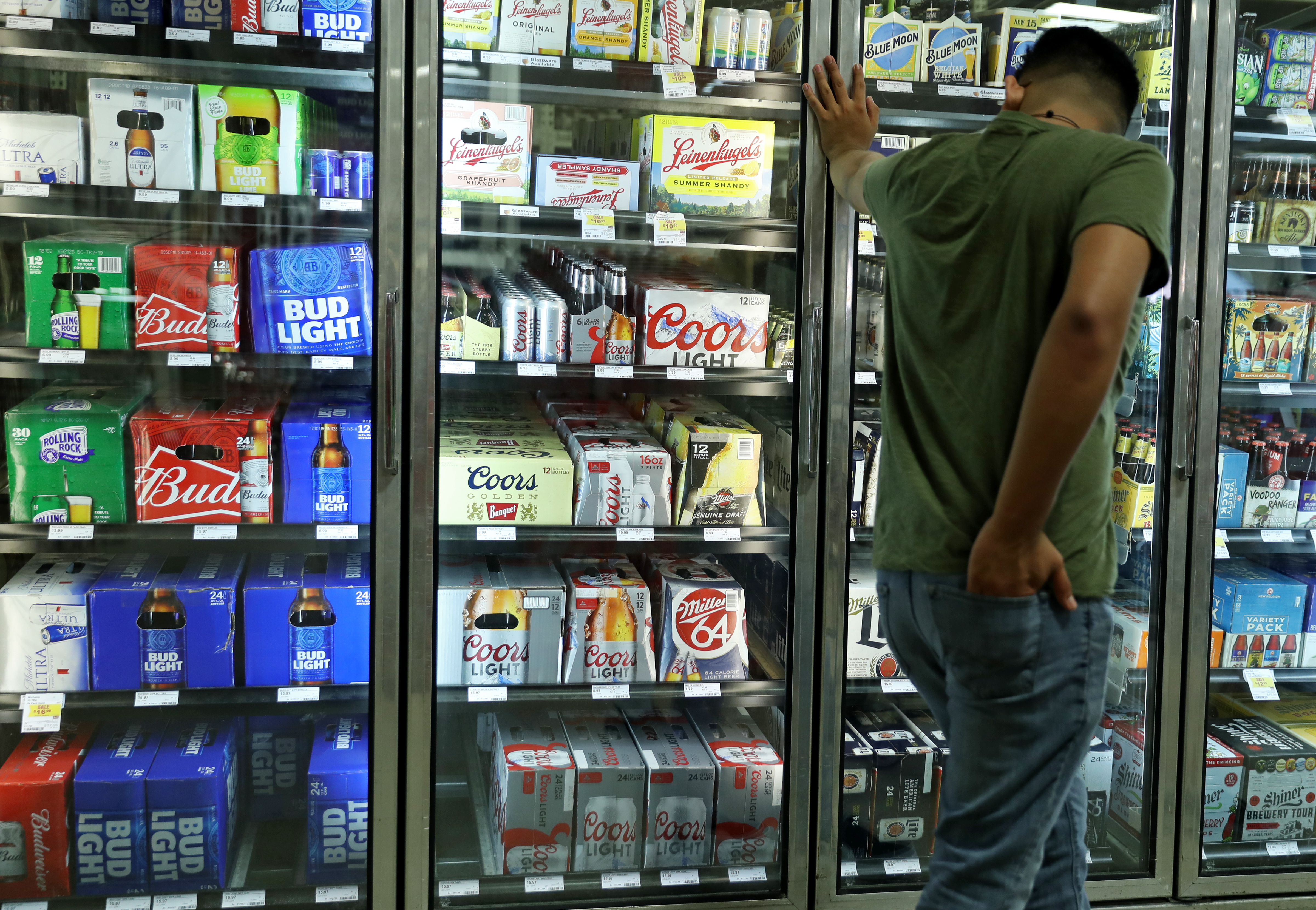
In Chicago, a carry-away 12-pack of beer gets slapped with more than $2 in tax. The $1.01 in federal, state and county alcohol taxes piles on top of the 1.5% city tax and the 10.25% general sales tax. The combined burden makes taxes the single most expensive ingredient in many Americans’ drink of choice.
Illinois is not unique. Every state taxes alcoholic beverages, though the tax treatment of certain alcoholic beverages may appear arbitrary. Countrywide, wine, beer, spirits and other newer forms of alcohol are categorized according to beverage type and are taxed often regardless of actual alcohol content or other states’ policies. However, considering what we now know about the dangers of alcohol consumption, maybe it’s time for policymakers to adopt a more systematic approach.
Public health data has taught us that alcohol, which can be fine when consumed in moderation, can be harmful to individual and societal health in excessive amounts. When a product such as alcohol poses a high potential for abuse, lawmakers can use taxation to encourage consumers to use safer products. In this case, that would mean products with lower alcohol content should receive lower taxation.
However, right now in Illinois, the same quantity of alcohol in spirits is taxed nearly 4.35 times as much as alcohol in beer. If one were to look up the comparative tax rate of beer anywhere else in the country, one would find a range of arbitrary figures with little correlation to alcohol content. While this might be convenient for a select few, it encourages producers of lower-taxed beverages to lure consumers over by offering options with higher alcoholic content.
In the early days of alcohol taxation, there was less variation in alcohol categories and clearer distinctions between drinks, so the categorical tax approach made more sense. However, as the industry innovates with newer products such as high alcohol content beer or ready-to-drink cocktails, the efficacy of the categorical system continues to break down.
Instead, this flawed system could be reformed to disincentivize overconsumption while raising sufficient revenue for anti-addiction programs.
If we were starting from scratch, an optimal tax on alcohol would actually tax alcohol, regardless of its classification. An alcohol by volume tax would levy a tax directly on the alcohol content without considering how that alcohol was produced.
This means one standard drink of 0.6 ounces of alcohol — whether in 12 ounces of 5% ABV beer, 5 ounces of 12% ABV wine, or 1.5 ounces of 40% ABV spirits — would bear the same tax burden.
While a full overhaul of the entire system might not be practical, there is certainly no excuse for lawmakers to make things worse. Recently, the Illinois Register proposed amending the administrative code to update the definitions of the various alcohol categories solely by their production process — not their alcohol content. Such a proposal would mean that alcohol in 0.5% ABV bourbon-infused ice cream would be taxed more than 1,000 times as much as alcohol in 14% ABV beer.
Instead of doubling down on a flawed system, policymakers can make gradual changes by introducing new tax categories in the existing framework and imposing taxes that correspond to the alcoholic content of that category. Products with a broad range, such as beer, would benefit from multiple subcategories, ensuring that the production process is not prioritized over the alcoholic content.
America is turning a quarter of a millennium this year, and there are many things to celebrate. A history of flawed taxation is not one of them. State and local policymakers should do what’s in the public’s best interest and adjust their alcohol taxation accordingly.
Adam Hoffer is director of excise tax policy at the Tax Foundation. Jacob Macumber-Rosin is an excise tax policy analyst at the foundation.
Submit a letter, of no more than 400 words, to the editor here or email letters@chicagotribune.com.