
I bought some dahlias in bags at our local garden store and would like some guidance on how best to plant and take care of them.
— Alisha Samuels, Highwood
Dahlias are tuberous plants native to Mexico and cannot survive a Chicago winter if left in the garden. Tubers, which you purchased, are thickened parts of the root system that store nutrients and water to support the plant’s growth and flowering. In the Chicago region, they must be planted each spring and then cut back and dug out each fall after the first killing frost if you want to save them for the next year. Their tuberous nature enables them to survive periods of dormancy, making it possible to grow them in temperate climates with frosts.
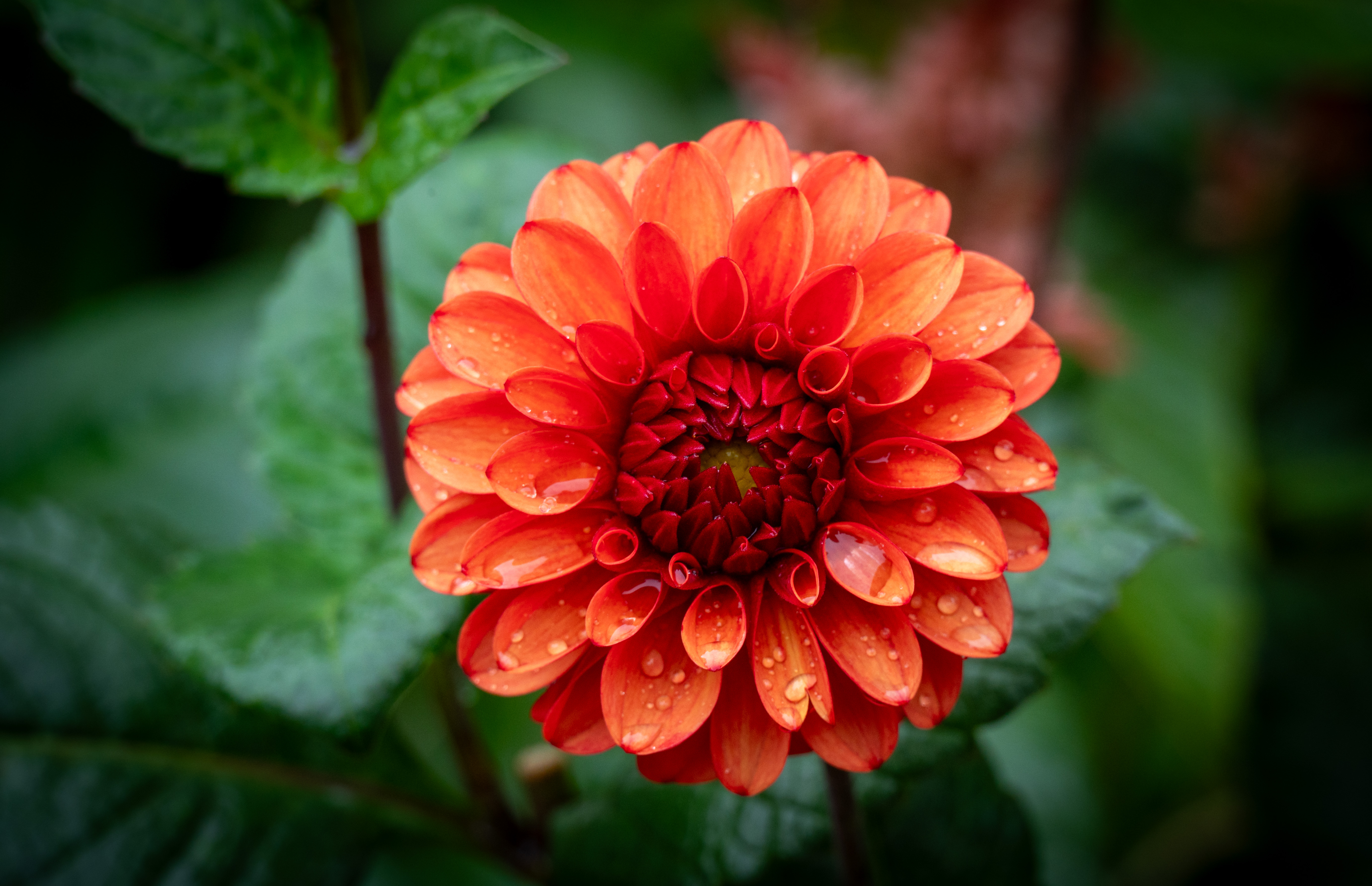
I like the dahlia cultivars that have large flowers as they are very dramatic in the summer garden. Plants that produce such show-stopping flowers do have demands. A full-sun site is best, but some afternoon shade can be tolerated. Dahlias prefer rich and well-drained soil that has been amended with compost. Dahlias are fast-growing and require even moisture during the growing season. It is important to keep the soil moist, but excessively wet soil can cause the tubers to rot. They are heavy feeders, so provide supplemental fertilizer during the growing season. Stop fertilizing in the middle of August. Avoid windy sites to prevent stems from being broken. Tall-growing varieties require staking wherever you place them in your garden. Give the wide varieties plenty of space to grow. I recently tried planting a few of the large dahlias in 18-inch-wide containers based on recommendations from an avid dahlia grower. After two weeks of growing in a high-quality growing medium, the plants are off to a great start and ahead of the ones planted in the ground.
Tubers can be planted directly into the ground after May 15, when the air and soil have warmed. Be sure that the danger of frost has passed. If spring weather has been cold, you may want to delay planting for a week or two. Plant tubers 2 to 3 inches deep, with 1 inch of soil covering the sprouting tip. Dahlia tubers should be stored over winter in a dark, dry room where temperatures range from 40 to 50 degrees Fahrenheit. This temperature range is difficult to achieve in a home setting, so do the best you can. In late fall, after frost has blackened the plants, very carefully dig up the tubers. To avoid injury to the tuber, use a lifting motion with a pitchfork rather than stabbing with a shovel. Leave a few inches of stalk attached to the tuber, but sift off all the dirt and trim back the roots. Hang upside down to dry before cutting off the stalk and storing them in cardboard or wood boxes lined with newspaper, sawdust, vermiculite, wood shavings or peat moss. Check monthly for signs of shriveling (add moisture), blackening or softening (discard).
For more plant advice, contact the Plant Information Service at the Chicago Botanic Garden at plantinfo@chicagobotanic.org. Tim Johnson is senior director of horticulture at the Chicago Botanic Garden.