
The Chicago Transit Authority is seeking proposals for improved fare gate technology that could help deter fare evasion, the mass transit agency said in a news release Thursday.
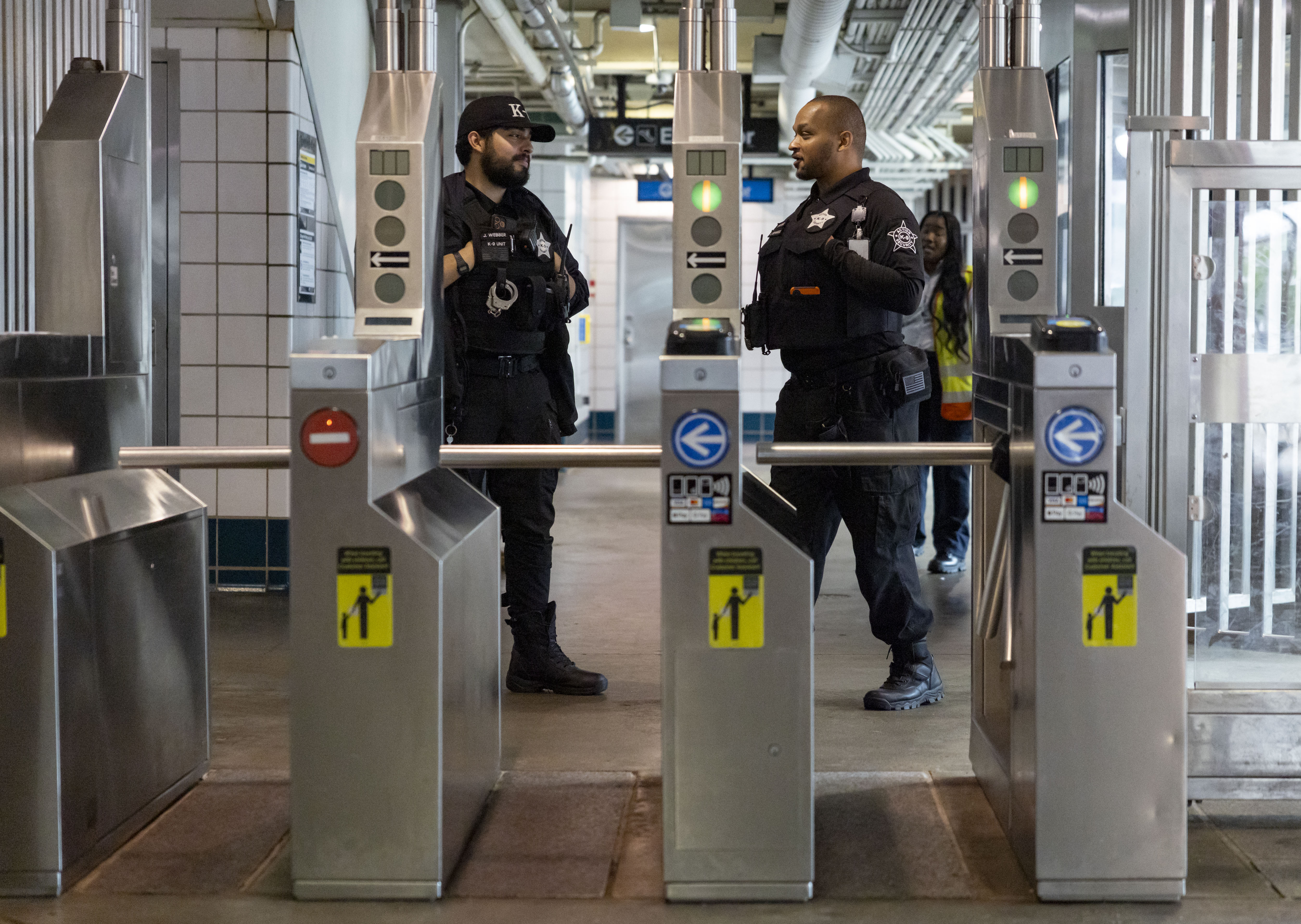
The agency’s existing turnstiles are nearing the end of their 40-year lifespan, the CTA said. The transit agency wants proposals for fare gate improvements that could not only deter turnstile-hoppers, but also improve accessibility for riders with disabilities or people lugging suitcases and strollers onto the transit system.
The request for proposals comes as some of the CTA’s peer transit agencies have experimented with modernized fare gates designed to help deter fare evasion.
The Washington Metropolitan Area Transit Authority in D.C., for instance, said in 2024 that the installation of more secure fare gates on its rail system had led to an 82% drop in fare evasion.
The CTA said it had been in touch with some other agencies about their efforts to improve their fare gates.
“Faregates are the front door to the CTA, and we want to ensure they are modern, accessible, and welcoming to all riders, while also promoting safety and deterring fare evasion,” acting CTA president Nora Leerhsen said in a statement.
The agency said earlier this year it would expand the installation of high-barrier fare gates — which are not compliant with the Americans with Disabilities Act — at station entrances with high levels of fare evasion.
Proposals for the new fare gates, however, must be ADA-compliant.
The CTA said it may select one or more fare gate proposals to test at certain stations in early 2027 for a year-long pilot. “If a proposal requires funding from CTA to pilot the solution, the overall cost to pilot a proposal (if any) may be considered with CTA’s evaluation of feasibility,” spokesperson Maddie Kilgannon said in an email.