
Oswego has been looking at the concept of raising some impact fees paid by developers, but trying to do so without stifling growth in the village.
Oswego Village Board members met as a committee of the whole recently and discussed impact fees developers pay to the village, schools, park district, library and fire district in town.
No decisions were made at the meeting.
Village staff members in March were directed to prepare a report to trustees on the feasibility of increasing all impact fees by 6.5% and then afterward annually pegged to the Consumer Price Index and a comparative analysis with what other, similar communities are charging.
Oswego Village Administrator Dan Di Santo in his report to trustees said the village’s fees are competitive. If the board wants continued growth in the village, it’s important to stay within the limits of what other towns are charging, he said.
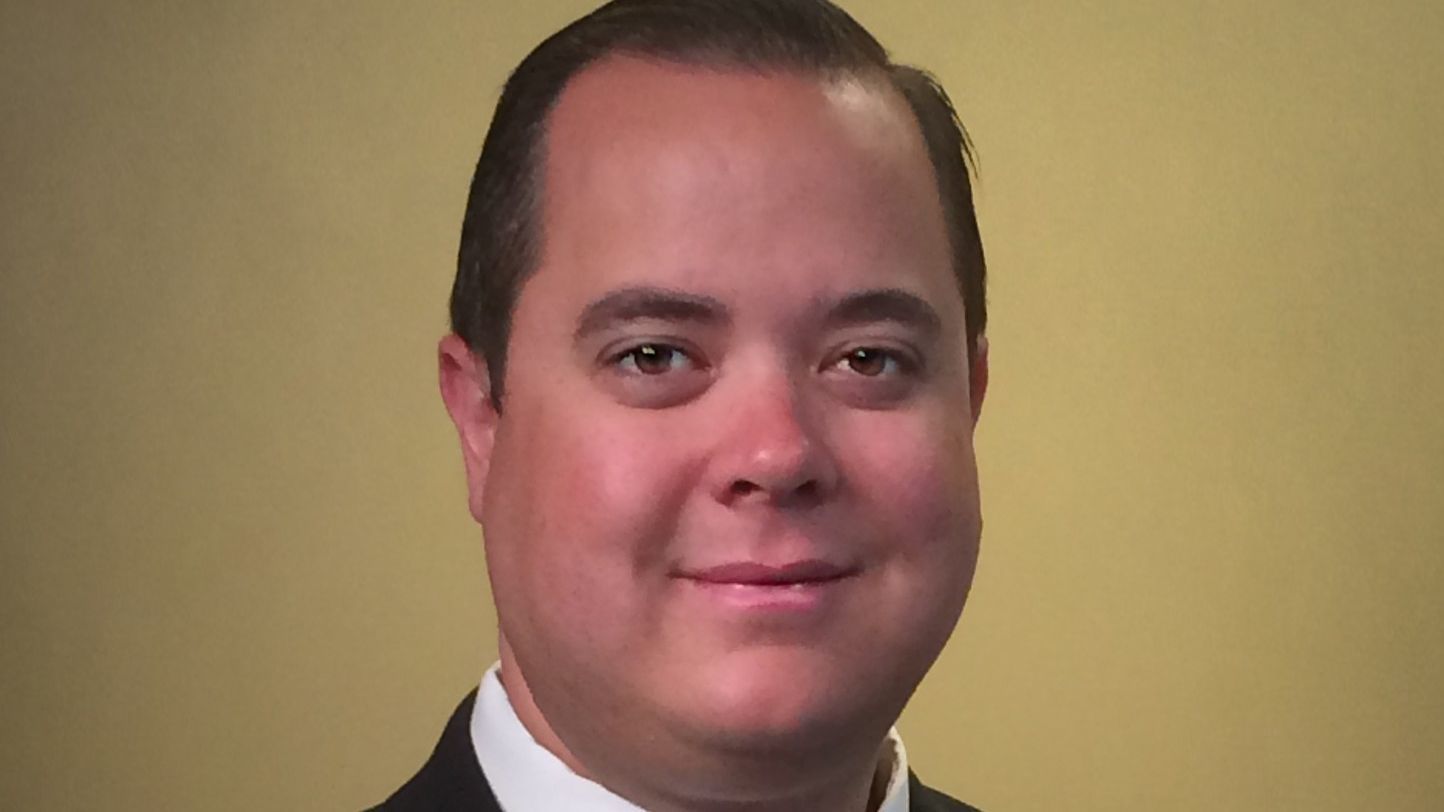
“If the fees get too high, they will not build in town. We know that from past experience and from talking to developers currently,” Di Santo said.
Automatic increases based on the Consumer Price Index are not recommended because it was a contributing factor to the drop in development in Oswego years ago, he said.
“Our recommendation is for periodic reviews rather than an automatic escalator,” Di Santo said.
Oswego Village President Ryan Kauffman said he supports periodic reviews of impact fees and not automatic increases based on the Consumer Price Index.
Kauffman was not supportive of imposing fees at a level that would turn developers away. Fees in the early 2000s were nearly $40,000 per unit and included 4% annual escalators on many of the fees, according to the village report.
That led to developers “saying they would not do anything. We slashed (impact fees) way back down,” Kauffman said. “We didn’t want growth to go around. We wanted growth to come to Oswego.”
Trustee Karin McCarthy-Lange said developers were going elsewhere with their projects when the impact fees were too high.
“At the time, it was skipping us,” McCarthy-Lange said.
Trustee Kit Kuhrt said he, too, doesn’t want to risk development coming to a halt.
“A 6.5% increase is way too much. This is a tax on developers and back when it was too high development stopped,” Kuhrt said.
Kuhrt, however, was supportive of at least doubling impact fees collected for the fire department on new senior housing developments. Data shows senior housing sees 1.8 times as many calls for fire service as non-senior housing, according to the report to trustees.
Staff has recommended giving consideration of increasing water connection fees to help reduce the burden on residents due to water rate increases that will be needed with Oswego’s eventual transition to using Lake Michigan water, Di Santo said.
“Oswego’s water fee is low compared to other communities,” he said.
Staff did a comparative analysis of impact fees in nine other municipalities including Yorkville, Montgomery and Aurora. However, it can be difficult to compare between towns because not all communities assess in the same manner, Di Santo said.
Total fees per unit in Oswego for a single-family home are approximately $24,000, which is within the market rate, according to the report. Staff recommends some level of increases, including up to $3,000 for single-family homes and $1,000 in non-village impact fees, plus increasing the water connection fee and charging a higher fee for senior housing for the fire department.
Staff also recommends grandfathering in developments that have received concept approval from Oswego if a hike in impact fees is approved. Doing otherwise could risk having the developers walk away from the projects, village officials said.
The village and School District 308 commissioned Northern Illinois University in 2001 to do a study and subsequently adopted a “complicated impact fee structure” to help taxing districts pay for capital projects related to growth, village officials said.
When development was at its peak in 2005, the Village Board more than doubled fees, officials said. Many developers would not pay them and then there was a recession, which harmed growth in Oswego, village officials said.
Oswego in 2014 partnered with other government entities to fund a new impact fee study. A new “simplified fee structure” based on the capital budgets for each taxing district and market conditions was approved in 2015 and in 2017 the village adopted another ordinance that established a fee structure for townhomes and multi-family residences, officials said.
Oswego had 96 new home starts in 2008 during the recession and in 2022 there were 371 new homes built in the village, according to the report.
Former District 308 school board member Lee Hoffer in public comments prior to the board discussion encouraged the village to consider hiking the impact fees higher than 6.5%.
Hoffer served for eight years on the school board when the district experienced significant growth but he said there wasn’t enough impact fee revenue coming in from development.
“We were getting killed with an influx of students and having to build schools without the funds to do it,” Hoffer told trustees.
Oswego is mainly residential so comparing it with other municipalities that are more industrial may not be in the village’s best interest, Hoffer said.
“Residential increases infrastructure costs, especially for schools, without providing the necessary means (to pay for its impact) unless you have good impact fees to offset the influx of students,” Hoffer said.
Linda Girardi is a freelance reporter for The Beacon-News.