

















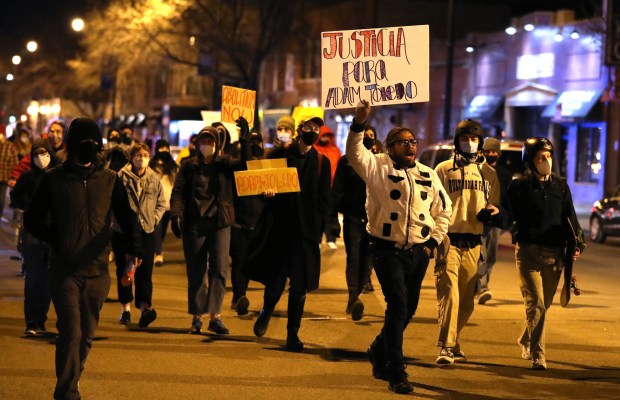

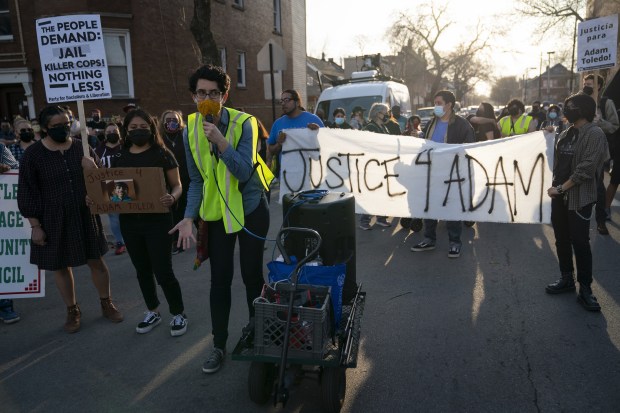


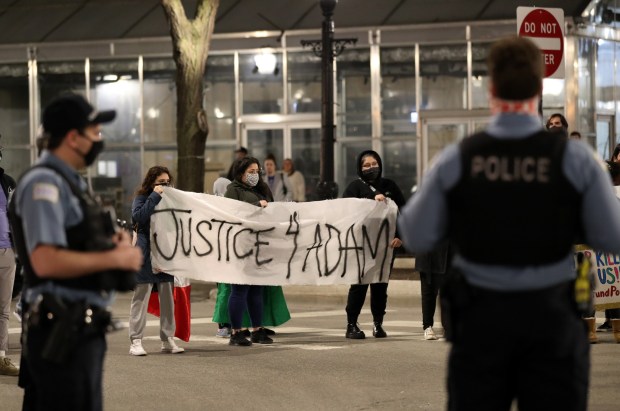


Shortly after the five-year anniversary of the killing of 13-year-old Adam Toledo by a Chicago police officer, the case was poised to move to a high-profile weekslong trial when a Cook County judge dealt a blow to the Toledo family’s case.
Judge Thomas Lyons, presiding judge of the Law Division, granted a motion from the city of Chicago to split the trial in two, severing the claims of negligent hiring by the city from the allegations around the shooting by Officer Eric Stillman.
The allegations against Stillman would proceed first, the judge ruled, and only if the Toledo family won their case would the other claims proceed — a win for the city.
About a week later, in a strategic procedural move, the attorney for Elizabeth and Marco Toledo dismissed the lawsuit against Stillman and the city, planning to refile with a fresh start.
“This step allows us to continue pursuing the case in a manner that fully protects the rights of Adam Toledo’s family,” their attorney, Adeena Weiss Ortiz, said in a statement. “Let me be clear: this case is not over. We will refile and continue seeking full accountability for what happened to Adam.”
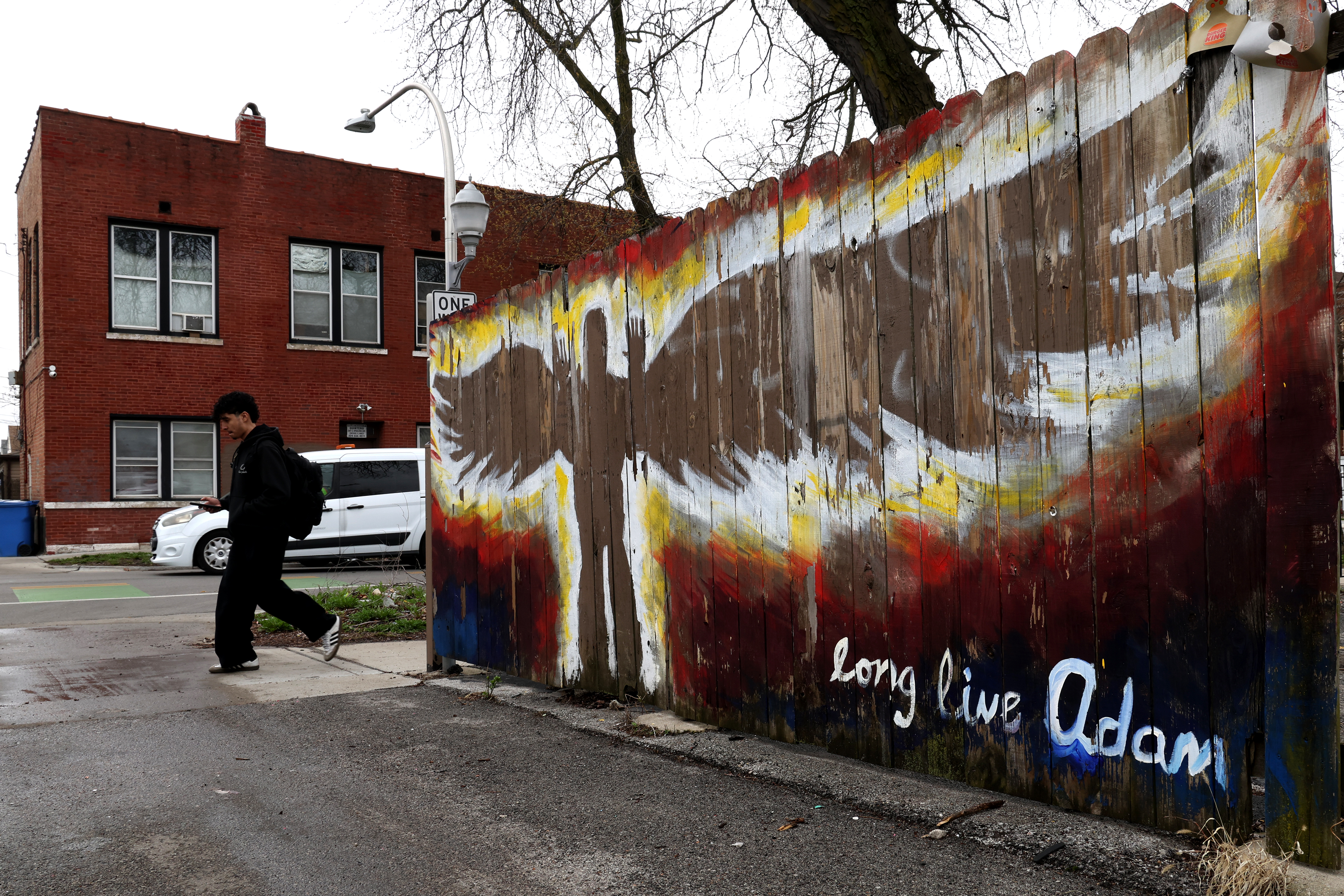
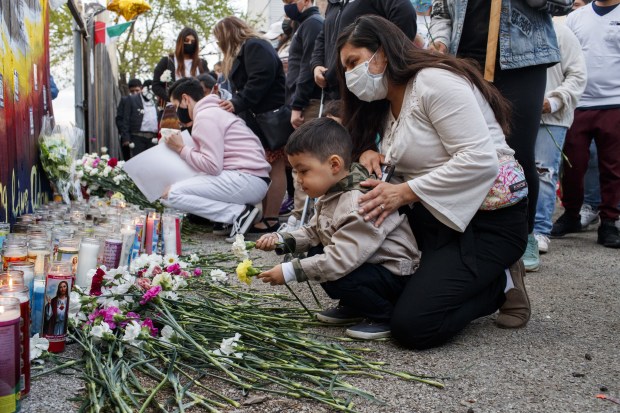
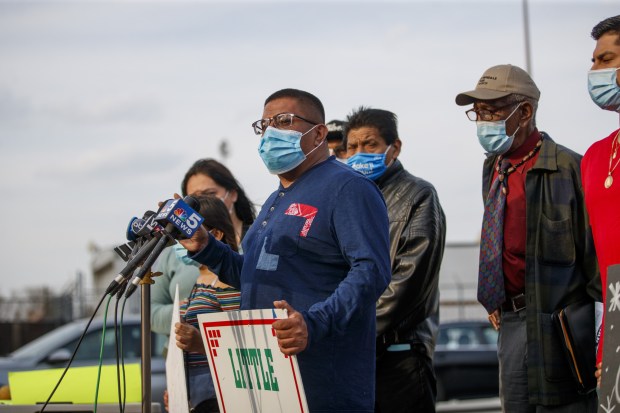
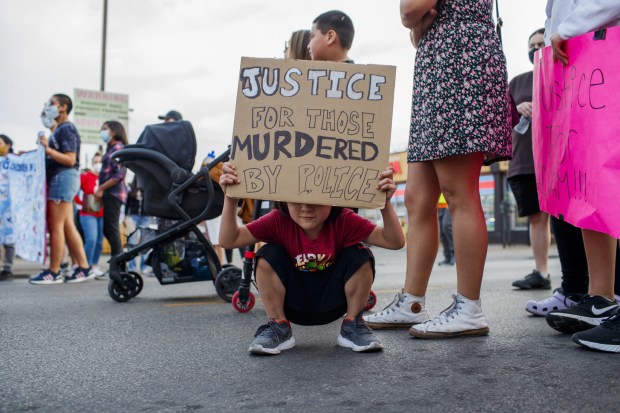
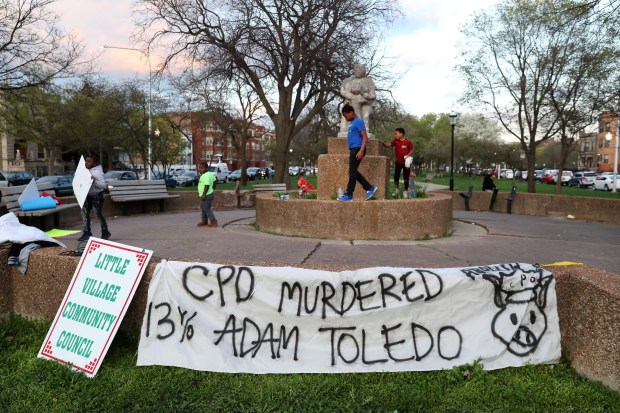
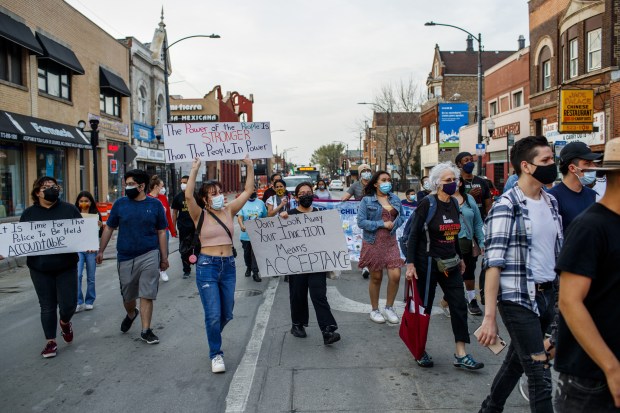
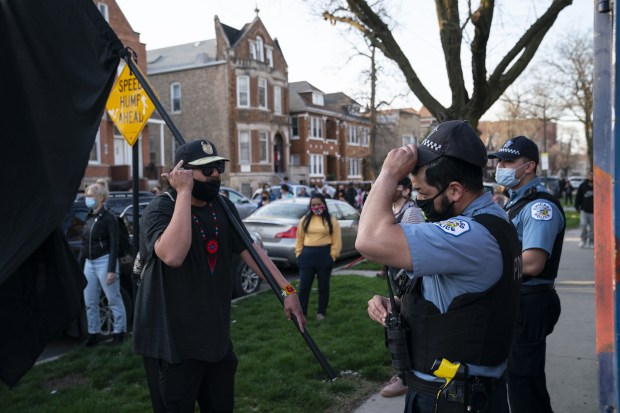
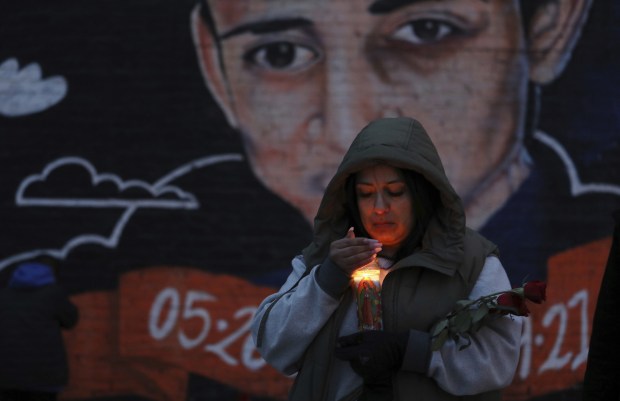
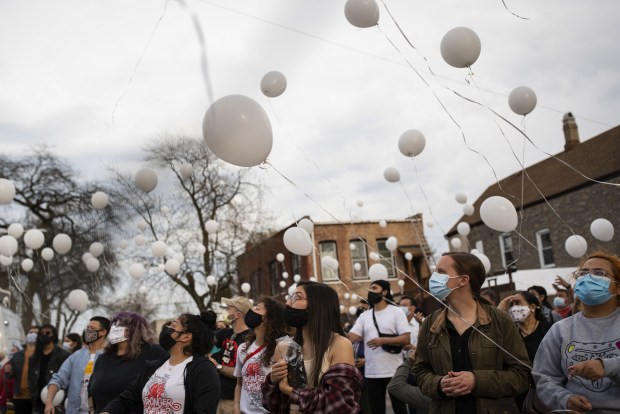
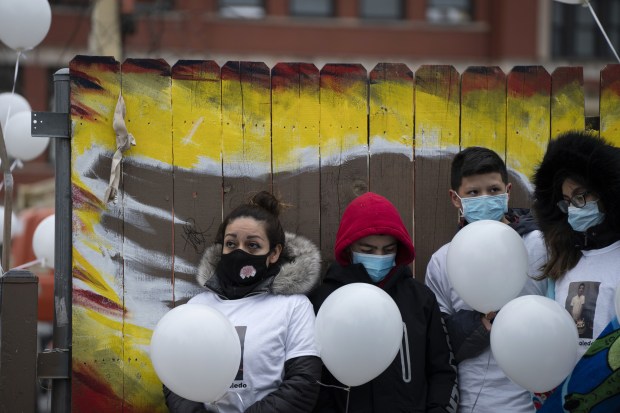
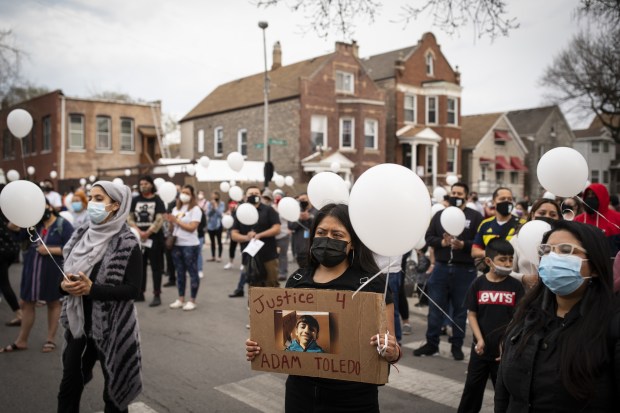
The case’s dismissal close to the eve of a planned April trial was the latest twist in a case closely watched by city residents and Little Village community members who protested and mourned in the wake of Toledo’s shooting.
The city declined to comment to the Tribune, and an attorney for Stillman did not respond to a request for comment.
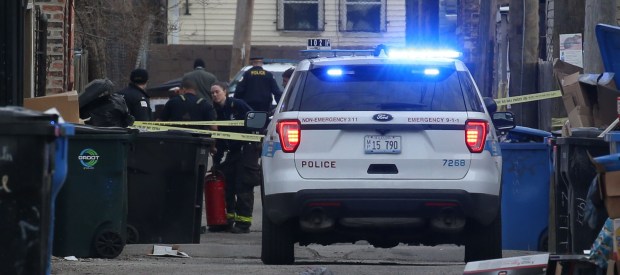
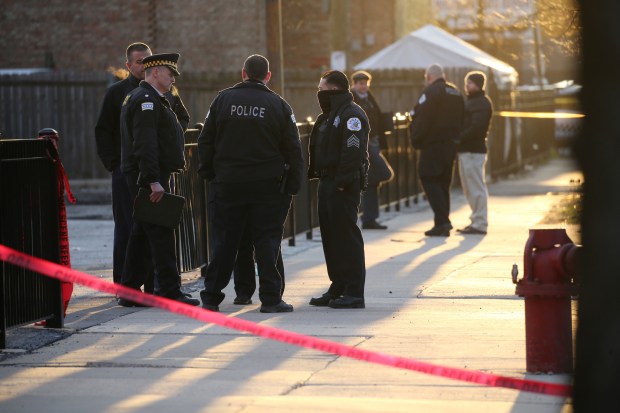
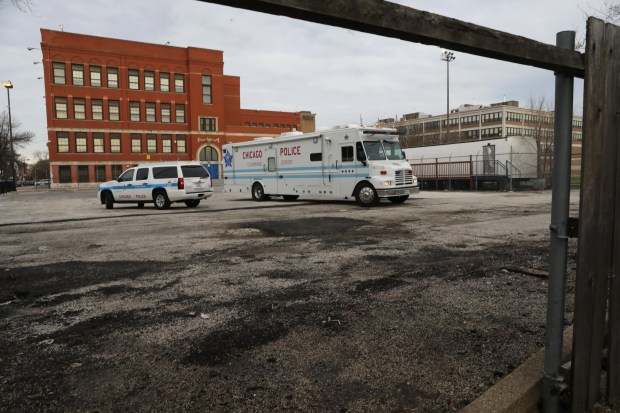
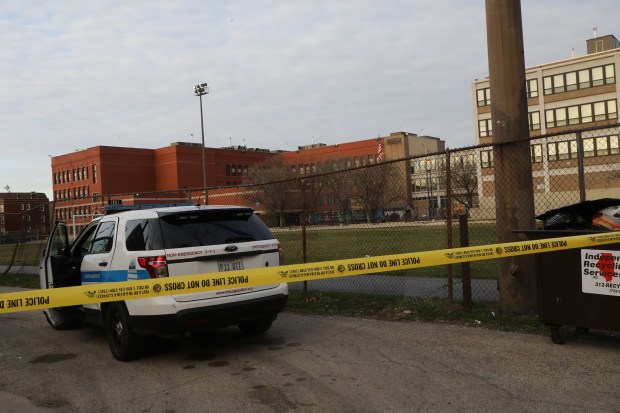
On March 29, 2021, just after 2:30 a.m., Stillman shot Toledo after a pursuit in an alley behind Farragut Career Academy High School in Little Village. At the time, the boy was the youngest person to be fatally shot by a Chicago police officer in years, with the shooting roiling the city, leading to protests, calls for reform and eventually policy changes around when and how police can chase people.
A long and complex trial could still proceed sometime this year after the family refiles their lawsuit. They have alleged Stillman wrongly killed the boy, and are accusing the city of Chicago of negligence in its hiring and training of Stillman, who had preexisting health problems, the complaint alleges.
In the days leading up to then-slated jury selection, attorneys began litigating more than 200 motions, battling over which evidence and witnesses would be presented to the jury and what arguments the parties could make.
“The evidence is what the evidence is, and we will try the case on the facts,” Lyons said during hearings earlier this month.
One of the most consequential motions was the city’s request to sever the claims.
After making his ruling on the motion to sever, according to court records, Lyons warned the attorneys to be “judicious” in what they say to the media about the high-profile case, though he noted he did not impose a gag order.
“There’s been a lot of publicity recently. But we are going to try this case on the evidence that’s heard in the courtroom,” Lyons said in court. “And I do not want to, I don’t want to hear things on the news about things that are going on in these rulings, things that are not going to be admitted into evidence.”
Though judges make determinations on what type of evidence a jury will hear, their rulings are typically open to the public, an important measure for transparency and fairness in the criminal justice system.
In its motion to sever the claims, the city argued that trying the matters together in the same proceeding would cause an unfair prejudice for Stillman and the city.
“These two categories of claims involve different legal standards, different evidence, and entirely different considerations for a jury,” the motion said.
City attorneys also argued splitting up the claims is a more efficient approach because it “creates a likelihood that a second phase of trial will be unnecessary, conserving judicial resources and minimizing the burden on the parties and the Court.”
In response, though, Weiss Ortiz argued in a motion that the decision to sever the cases does the opposite — inefficiently creating two duplicative trials with overlapping evidence and witnesses.
She also argued that the allegations against the city and Stillman are “inextricably intertwined.”
“Here, the jury cannot meaningfully evaluate Stillman’s conduct in isolation from the training, supervision, and decision-making framework that shaped that conduct,” she argued.