
Pesticides. Prices. Pride.
There are so many reasons to grow your own food.
And there are so many ways your good intentions can go south.
Rabbits helping themselves to your seedlings. Been there.
Weeds crashing the party. Experienced that.
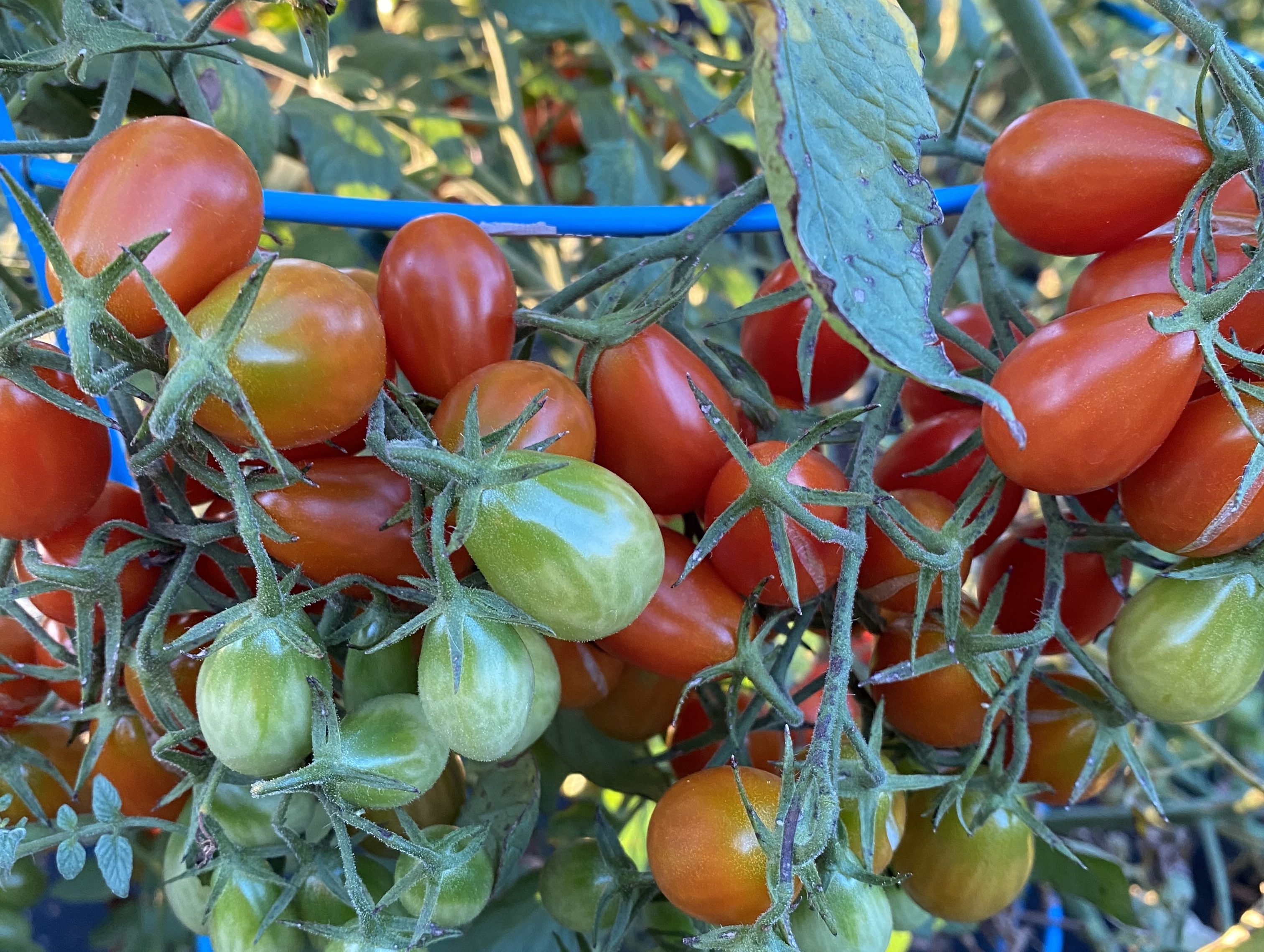
Tomato plants forming a dense hedge that is accessible only via the canopy. Lived that nightmare.
Take it from someone who’s made all the mistakes: You can learn by trial and error or you can consult an expert before you begin.
Because time is of the essence now that we have turned the corner into May, and because googling “how to garden” will get you literally a half million results, I have streamlined the helpline for you. And it is specific to northern Illinois.
Nancy Kreith is a horticulturalist and educator with the University of Illinois Extension. She loves gardening so much that she does it all day for work and then comes home and tends to her own raised beds. She knows things.
And she’s here today, with the information you need to get started planting, as well as head off troubles at the pass.
Before you put tiller to soil, read this.
“Let’s think back to elementary school and the basic needs of plants,” Kreith said.
- Good soil
- Plenty of sun
- Air
- Water
To that list, she adds support and commitment (I prefer “love and attention,” but, whatever).
It starts with the soil.
You can test it for pH and nutrient levels, as well as lead if you live in an older home. Inexpensive test kits are available online or at garden centers. I bought one a couple summers ago and learned that because I had been planting the same crops in the same space for years, the soil was in need of nitrogen. I treated it appropriately and the following year had a bumper crop.
“You want good drainage,” Kreith said. “Look for different soil mixtures. If you have good soil, lightly amend it with some compost and supplement with fertilizer at the time of planting.”
Depending on your preference, choose either a synthetic quick-release fertilizer or an organic slow-release kind that calls for a second application halfway through the season, she said.
Plant in full sun, Kreith said. That typically means on the south or west side of your home.
“Most vegetables need at least six hours of sunlight per day,” she said.
Give them some air.
“I find that a lot of new gardeners tend to put plants too close,” Kreith said. “They see a small tomato plant in the garden center and think, ‘I can plant a bunch of those in my garden space,’ not realizing how big they get.”
And how much they can yield. Two tomato plants with enough space can give you handfuls of tomatoes, she said.
Plants need good circulation. If they’re too close, they compete with each other. Lack of circulation can lead to constant disease problems, she said.
Other than onion sets, you don’t want your plants touching.
Always read the label on seeds and plant tags, and follow those guidelines for spacing, Kreith said.
Water with intention.
“Don’t just lightly water every day,” Kreith said. “Rather, encourage deep roots by watering less frequently, but more deeply.”
Plants need at least 1 inch of water per week. If it’s rainy, you may need to water less. If the plants are producing fruit, you many need to water more.
“Always water at the base. Keep leaves as dry as you can. Fungal disease is spread by water splashing onto leaves,” she said.
Water more frequently if plants are in containers or raised beds.
Be supportive.
It becomes disheartening when the plants you toiled over are destroyed by rabbits or deer, Kreith said.
Fencing is the only foolproof way to keep critters out.
But, of course, the squirrels will ignore it. “Occasionally, I plant a trap crop, such as sunflowers, to steer them in another direction, away from my vegetables,” she said.
Tomato plants can grow big. The indeterminant kind will keep growing all season, as long as you support them.
Kreith advises using heavy duty cages for tomatoes, arches for beans, stakes for peppers and eggplant, and a trellis for cucumbers, which grow as a vine.
To prevent disease, limb up tomato plants so they’re not touching the soil. To keep weeds at bay, spread sterile straw between rows.
Commitment.
Of course, you’re busy. So, start small. One tomato plant might be enough for a two-person household. Maybe two plants for a family of four, Kreith said.
Expect to be out there every other day, sometimes weeding between plants, sometimes watering, sometimes simply watching it grow.
“That’s the wonder of it. Don’t look at it as a chore, look at it as a way to relax. Exposure to nature is so good for your mental health. It’s very grounding touching the soil,” she said. “Plus, you’re growing your own food, you know where it comes from. That’s the reward.”
Know when to harvest.
If leafy greens get too big, they get bitter. So do zucchini. Overgrown tomatoes can crack.
Remember, there are three growing seasons in Illinois: spring for cool season veggies; summer for tomatoes, peppers, eggplant and cucumbers; late summer for root crops, such as carrots, radishes, peas, leafy greens, collards, kale, cilantro.
If you have questions, check out the extension’s website at extension.illinois.edu/gardening.
Share your success.
And your stories. Gardening may be a solo endeavor but it is backed by a community of hard-working people who are usually eager to share advice and, come July, a zucchini or three.
Donna Vickroy is an award-winning reporter, editor and columnist who worked for the Daily Southtown for 38 years. She can be reached at donnavickroy4@gmail.com.