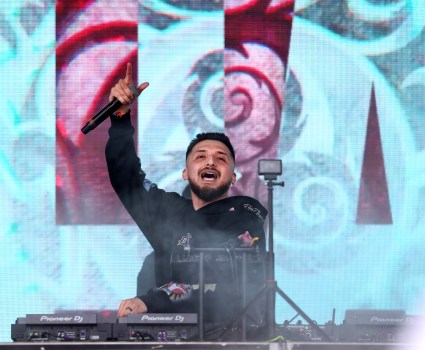
The new Forever Mine Festival transformed Union Park into a sprawling celebration of house music and 2000s R&B over Memorial Day weekend, recreating the feeling of Chicago summer cookouts and neighborhood hangouts, with throwback hits from Destiny’s Child, Lloyd and Monica filling the air. Pulsing lights and bass-heavy sets from DJs like DJ Slugo and Kaytranada transformed the park into a massive outdoor house party.
The festival was organized by Fernando Nieto and Miguel Torres of Windy City Events Management (also behind Michelada Festival). Over a busy weekend for live music, it drew nearly 20,000 to Union Park by creating a different kind of cultural gathering, one rooted in Chicago house music, R&B nostalgia and the cross-cultural sounds many Black and Latino Chicagoans grew up with.
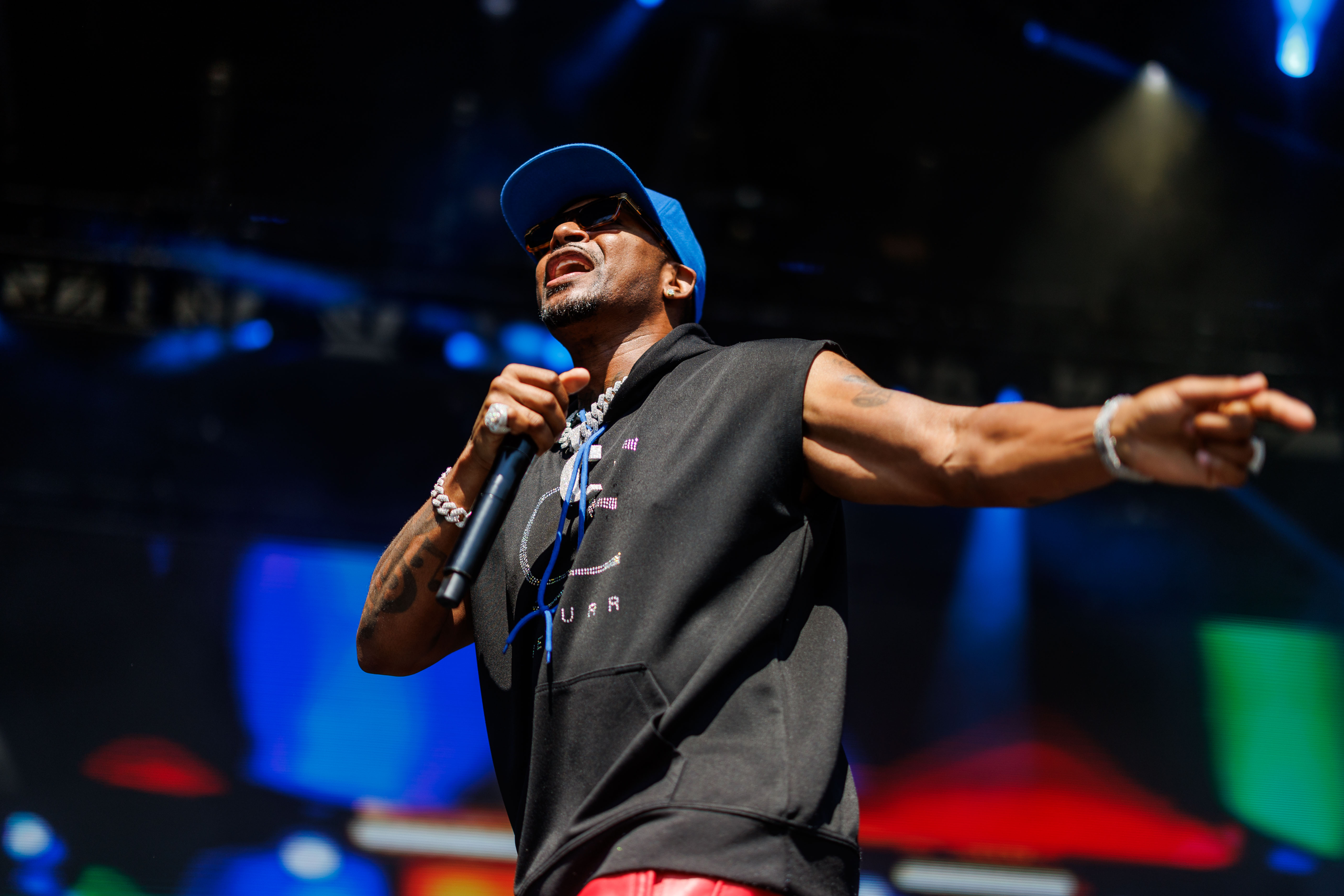
The community-driven festival spotlighted BIPOC artists and DJs while blending Chicago house music culture with early-2000s R&B. Sunday’s lineup included Juvenile, Mario, Kelly Rowland, Keyshia Cole, Chingy and Monica. Chicago house legends Lady D and Terry Hunter also performed.
For Nieto, the concept was rooted in nostalgia and a desire to create something new in Chicago’s crowded festival scene.
“It’s definitely the first house music and R&B music festival,” Nieto said. “We felt like the idea was kind of unique and niche.”
The festival also marked a return to house music promotion for Nieto and Torres, who previously organized a house music festival in Pilsen for seven years before retiring it several years ago.
“Since then, I’ve been itching to do another house-related event,” Nieto said. “There’s a lot of cool existing house music festivals in the city of Chicago that we love and support, but for me it was like, man, how do we do something new and unique? We saw an opportunity to kind of merge the world with house music and R&B since there had never been one in Chicago.”
That cross-cultural and genre-blending spirit reflects Nieto’s own upbringing in Chicago’s party scene.
“I honestly think it starts with my house party days with my best friend Marcus Olsson,” he said, referring to DJ M Doc, who opened the festival’s main stage. “We always had a love for mixing genres together. I feel like we grew up with this music and the lineup is a manifestation of what we grew up listening to.”
The event arrived less than a year after organizers were forced to cancel the 2025 Miche Fest amid cancellations of artist visas and immigrant crackdowns by the Trump administration, a setback Nieto described as devastating both culturally and economically.
“Last year was a gut punch,” he said. “Not only culturally was it hard to cancel, but it had an impact on the food vendors and the small businesses that we support.”
Even with Forever Mine’s large-scale production, organizers emphasized that it remains rooted in local collaboration and independent workers. The festival’s name also carries personal meaning for Torres. The name was inspired by his relationship with his wife and their shared love of R&B and house music.
“My wife landed on my lap in the most interesting times in my life, and at that moment I felt like she was forever mine,” Torres recalled.
Beyond the music, the festival featured local food vendors including Harold’s Chicken, Robinson’s Ribs and Taylor’s Tacos, along with a market showcasing local merchants. Organizers also partnered with Chicago R&B collective Sounds of Chicago to curate a silent disco and second-stage experience.
Nieto said the event targeted millennials seeking a more relaxed festival atmosphere than many of Chicago’s larger music events.


Joanna Garner attended the festival with a group of girlfriends. She said it brought her “way back.”
“The DJs are doing their thing. The artists are doing what they’re supposed to do, so yeah, it’s a vibe if you’re out with your girls, your family,” she said.
The all-ages event drew visitors from across the country, with attendees traveling from states including Texas, California and Pennsylvania, as well as neighboring Midwest cities.
By the end of the weekend, Forever Mine had accomplished what organizers hoped: recreating the feeling of the house parties and neighborhood gatherings many attendees grew up with in Chicago.
“We have every intention of trying to come back next year,” Nieto said. “Right now the priority is delivering a fun and exciting experience for everybody and making sure that we leave them with a good taste in their mouth.”