
Last week, Chicago police Officer John Bartholomew was murdered in the line of duty by a seven-time felon on parole who had multiple criminal arrest warrants, according to authorities. His partner remains in grave condition from the shooting.
As the wife of a Chicago police officer, my heart is broken for these officers’ families and the men and women of the Chicago Police Department.
Michael Altman, a member of the Chicago Fire Department, was killed in a March fire allegedly set by an offender who had an outstanding warrant for his arrest. Last June, Officer Krystal Rivera was killed in the line of duty by friendly fire during a chase of a suspect with a warrant. Last year, Capt. David Meyer of the Chicago Fire Department was killed in a fire set by an offender with an outstanding warrant, authorities said.
This is a public safety crisis: In the past year, the city of Chicago has lost four beloved first responders in the line of duty.
Besides the many questions that must be answered about court warrants, questions also remain regarding Cook County’s electronic monitoring and GPS programs, the provisions of the SAFE-T Act that affect judges’ detention of violent offenders and the process to appoint, assign and remove a member of the judiciary who puts the public at risk.
Earlier this year, I sponsored the resolution before the City Council to initiate the city of Chicago-Cook Violence Against Women Task Force (CCVAW). Since January, I have been leading these efforts along with Cook County Commissioner Donna Miller, and with the help of many of our colleagues on the City Council and Board of Commissioners. The CCVAW Task Force has brought together Cook County, Chicago and state of Illinois leaders, as well as experts from across the country, and we have made great strides toward improving the safety and health of women and their children.
Together, we have proved that collaboration can have impactful results. After years of data showing violence against women had been increasing, violent crimes in domestic cases have begun to decline. Homicides in domestic cases are currently down 58% in the city of Chicago compared with data from last year.
This is tremendous progress, but there is so much more work to be done.
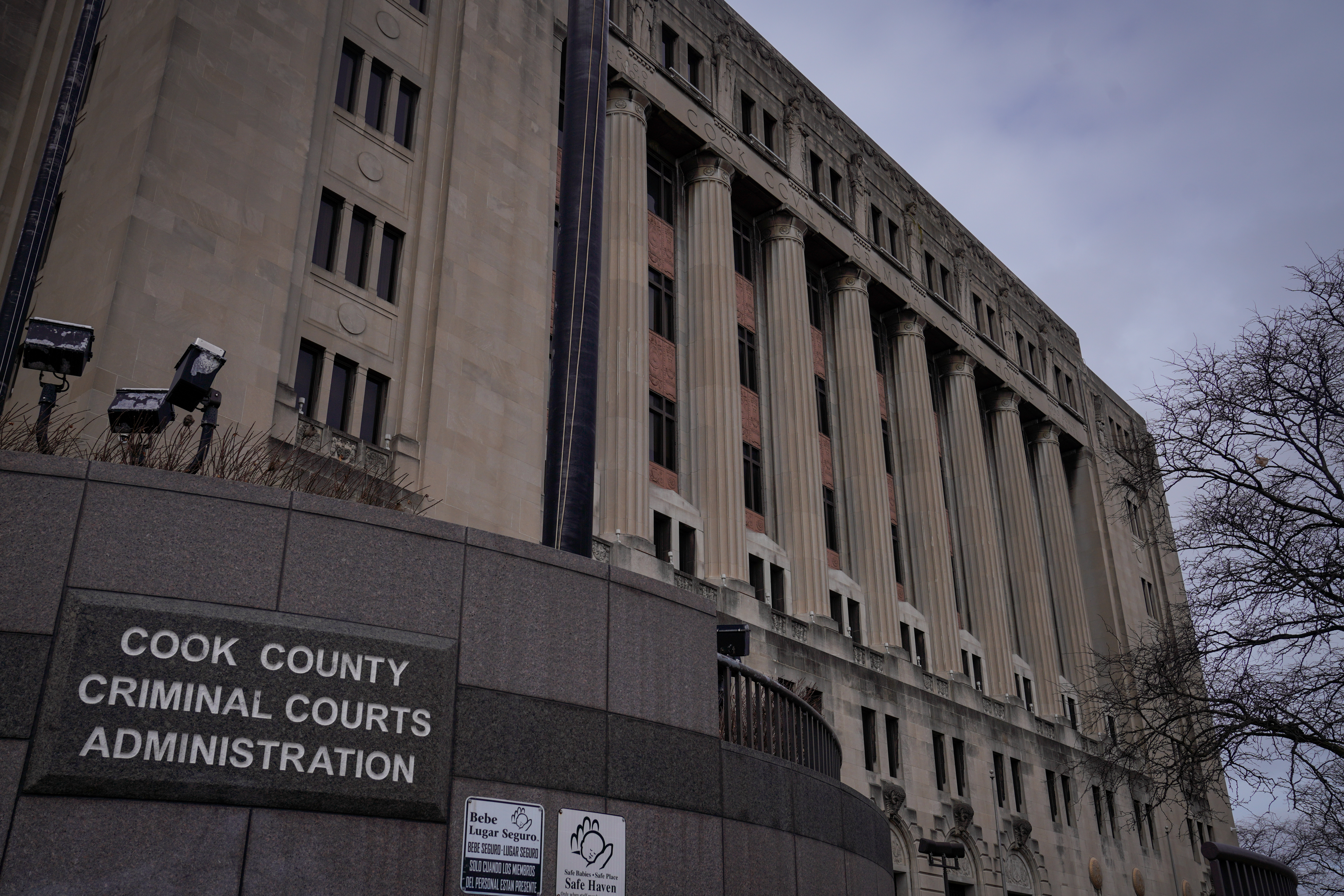
For the city of Chicago, unserved warrants from the Cook County court system can affect the operations of the Chicago Police Department. If a warrant is unserved by Cook County law enforcement, the police must make the arrest if they stop an individual with an outstanding warrant. This is extremely dangerous for officers and first responders to unknowingly interact with an individual with an active warrant. These arrests also take officers off the streets for hours to process these arrests, which inflicts a financial toll on the CPD’s overtime budget.
My family, as well as the residents of my ward, are also Cook County taxpayers. The current Cook County court system is excluded by law from compliance with the Freedom of Information Act, which is the law meant to provide accountability and transparency to the public that pays tens of billions to operate our government systems. Simply put, this means that victims and witnesses are meant to trust a court system to protect them that does not have checks and balances.
Tens of thousands of offenders are released each year while their cases proceed in the court system, and hundreds are placed in the court’s GPS program (the sheriff’s electronic monitoring program is not accepting new participants). This includes those with violent felonies, yet minimal information is being shared with the public.
Only high-profile cases receive the attention needed to dissect the complexities of the court proceedings and identify where the system failed. The news media are hindered by the lack of transparency, so even with their best efforts, not every homicide or violent crime can be reported in detail. This has created an inherent distrust of the court system and reform efforts, including the SAFE-T Act.
Instead of pointing fingers, I am seeking solutions. This month, I will be introducing a resolution inviting county agencies and city departments to a hearing before the Chicago City Council to share information about the Cook County court system and its impacts on city operations. The hearing will be public, and I invite all residents to participate.
Then, we will work together to find solutions to help prevent future tragedies, protect our residents, and develop plans for a unified approach to improving transparency and accountability.
First responders who are putting on their uniforms today to serve our city deserve more than rhetoric. They deserve action.
Ald. Silvana Tabares represents Chicago’s 23rd Ward.
Submit a letter, of no more than 400 words, to the editor here or email letters@chicagotribune.com.