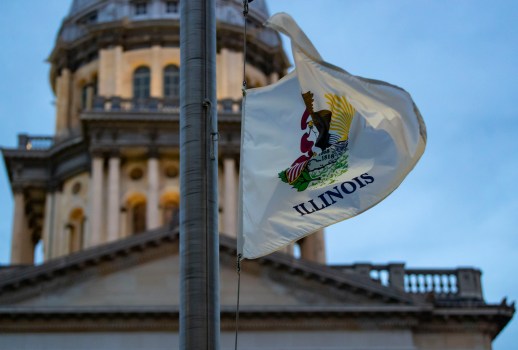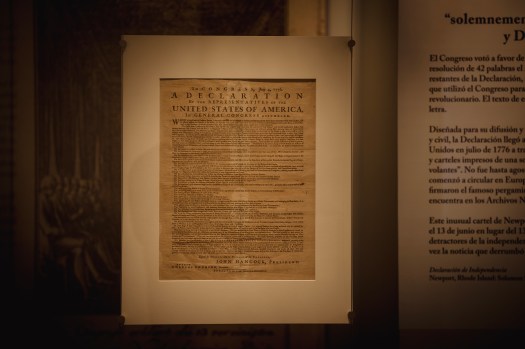

As Illinois joins the country in commemorating 250 years of American history, we’ve been given an opportunity to reflect on the people, places and institutions that have shaped our state — and how our state has helped shape this nation through innovation, culture and civic leadership.
It’s no secret that this milestone is arriving in the middle of significant tension. While so much of our attention is focused on the challenges immediately in front of us — from rising inflation to global conflict — it can be easy to overlook what connects us as Americans, to each other and to our shared history.
Luckily, spaces already exist that are specifically designed to preserve our stories, inspire creativity and help pass Illinois’ legacy on to future generations: museums, libraries, cultural organizations and other public areas that welcome residents and visitors alike.
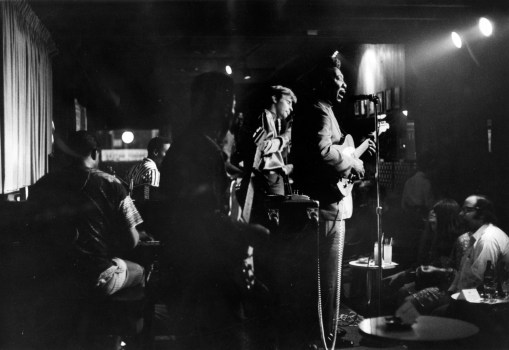
These institutions capture our most enduring contributions — genre-shaping music, sculptural architecture, great literature, vibrant visual art, provocative theater and more. By protecting and spotlighting these creations, we help the world see Illinois as a whole while ensuring these stories remain accessible for future generations.
The Tribune’s Illinois 250 project recently highlighted many of the innovations and traditions that began here and went on to influence the nation. The contributions that established our city and our state as a center of creativity and cultural expression were nurtured by generations of artists, educators, civic leaders and institutions that made creativity accessible and helped preserve our collective story. People travel from all over the world to experience a fraction of what Chicago has to offer. Those experiences leave visitors with a deeper appreciation for Illinois while reminding residents that the places they pass every day are part of a cultural legacy recognized around the world.
These landmarks are civic assets.

For years, I’ve been advocating to strengthen Chicago’s cultural campus and support the institutions that make our city a global cultural destination — not only because tourism drives economic growth, but because the impact of these spaces matters to Illinois’ own communities and strengthens neighborhoods across our city.
They educate our children. They provide lifelong learning opportunities for residents of every age. They support artists and cultural workers. They create jobs and economic activity. They preserve our history and create opportunities for people to learn from one another. Perhaps most importantly, they help foster a shared sense of identity and belonging.
These places also remind us that history is something we actively preserve, not something that simply survives on its own. Every exhibit, restored landmark, neighborhood library and public performance help connect one generation to the next. They encourage curiosity, spark conversation and provide opportunities for people of every background to better understand one another. At a time when so much seems to divide us, investing in our cultural institutions is also an investment in civic life. They give us spaces where our stories can be explored, challenged and ultimately passed on with greater understanding.
As we reflect on 250 years of American history, we should also think about the legacy we hope to leave behind in Illinois.
Future generations will inherit the institutions we choose to support today. They will learn from the stories we prioritize, the art we celebrate and the cultural spaces we invest in. The decisions we make now will help determine whether those institutions continue to thrive for decades to come.
Chicago’s cultural impact has helped shape our country’s story over the last 250 years. If we want Illinois’ museums, libraries and cultural institutions to help shape the next 250, we must treat them as essential public assets worthy of our continued support.
Ald. Samantha Nugent represents Chicago’s 39th Ward.
Submit a letter, of no more than 400 words, to the editor here or email letters@chicagotribune.com.