
Illinois is at an energy crossroads. The decisions made in Springfield over the next few years will determine whether Illinois families enjoy reliable, affordable power or pay more for a system that delivers less of it.
A decade ago, Illinois was an energy powerhouse. The state produced more electricity than it consumed and exported the surplus across the region. Today, that advantage is being legislated away.
In December, state regulators released a resource adequacy report that should have stopped Springfield in its tracks: Northern Illinois could face energy shortfalls as soon as 2029, with the rest of the state to follow by 2031 under current policy. That is a flashing red light, and policymakers should treat it as one.
Instead, Springfield is doubling down. Current policy phases out coal and natural gas baseload, the workhorses of the grid, and replaces them with intermittent generation and ratepayer-subsidized alternatives. The goal may be well intentioned, but the execution is deeply flawed.
Reliable energy is not built on aspiration. It is built on physics, fuel and steel in the ground.
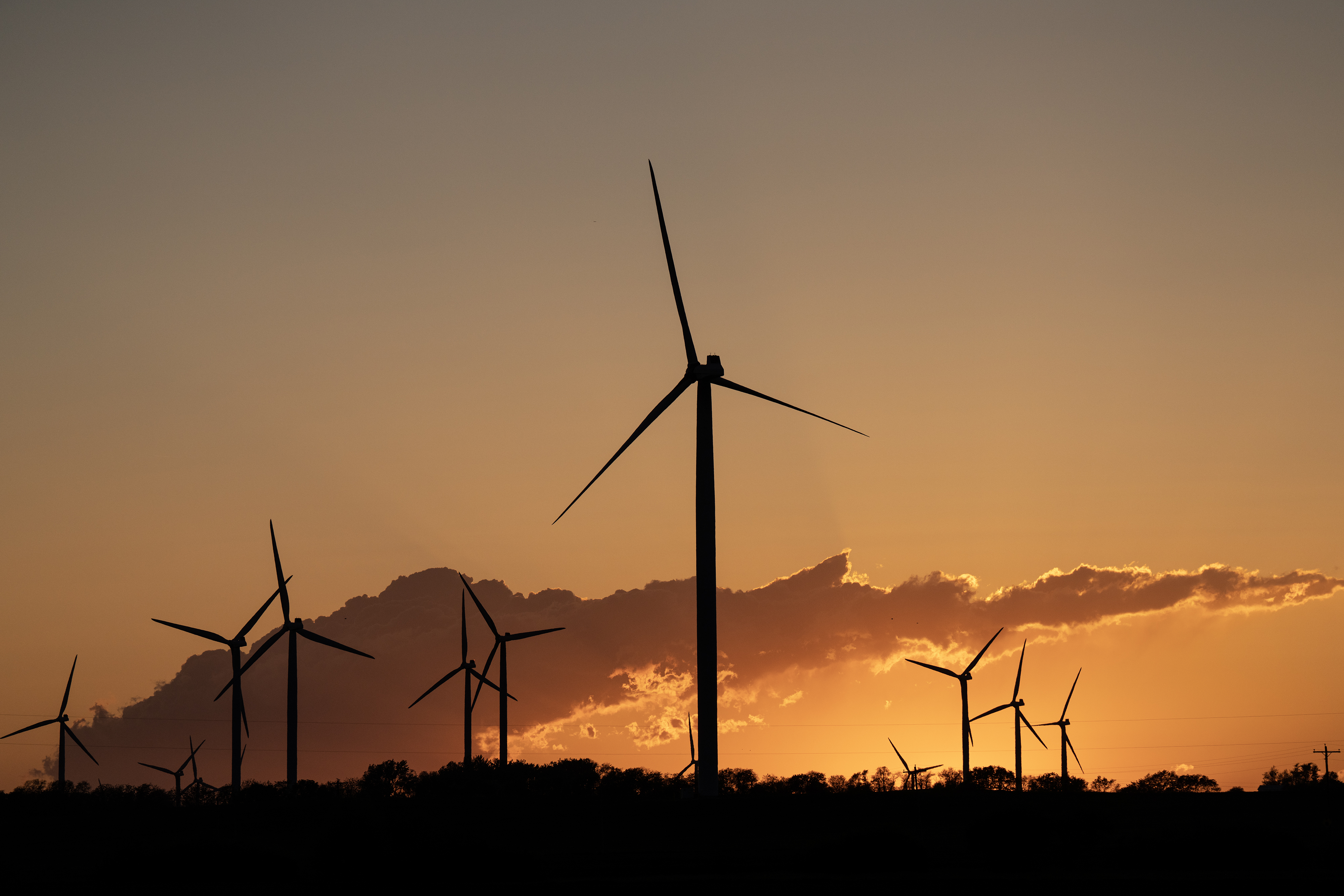
Wind and solar play an important role, but they are intermittent by design and a grid built on intermittency needs either a partner that can run on demand or a customer base that doesn’t mind the lights going out.
To paper over that gap, lawmakers turned to battery storage. Last fall, the General Assembly approved an $8 billion battery buildout financed by Illinois ratepayers. Batteries are useful, but they are not generation. The very best of those technologies can only address short-term fluctuations. Suggesting they can replace a gas or nuclear plant that runs for days, weeks or years at a stretch is wishful thinking dressed up as a news release.
The signal to existing generators is unambiguous: Your time is up. By 2030, the Climate and Equitable Jobs Act will force the retirement of roughly 12 gigawatts of dispatchable thermal capacity in northern Illinois. The previously mentioned resource adequacy report projects that ComEd will flip from electricity exporter to importer in those years, with annual power costs rising from $2.1 billion to $3.9 billion.
Generators are already reading the signal. At Elwood Energy in Will County, two-thirds of the plant, roughly 900 megawatts, are being dismantled and shipped to Texas, the Tribune Editorial Board reported. For Illinois, that means fewer jobs, less investment, less tax base and one more hole in the supply curve. Capital follows certainty, and policy hostility produces exits.
The market is already pricing the consequences. PJM Interconnection, the regional grid operator that serves northern Illinois, sets a portion of every ComEd bill through its annual capacity auction. In December, that auction hit the federal price cap of $333.44 per megawatt-day, more than 10 times the 2023 price of $28.92, and even at the cap, it fell 6,600 megawatts short of the region’s reliability requirement, the first such shortfall in PJM’s history. ComEd customers absorbed a 20% to 25% supply rate increase in June 2025, with another already set for this June.
That is not a forecast. That is a bill in the mail.
Demand, meanwhile, is going in the opposite direction. Northern Illinois expects electricity demand to rise roughly 24% by 2030, driven largely by artificial intelligence and the data centers powering it, and those data centers drove nearly 94% of the year-over-year increase in PJM’s 2027-28 peak load forecast. Illinois should compete hard for those investments, but the question is whether the grid can serve them. Illinois cannot win the AI race on a grid that is being deliberately weakened.
California offers a preview. After years of retiring dispatchable generation for intermittent supply, the state now lives with rolling blackouts and emergency conservation orders and has among the highest electricity prices in the country. Illinois is not there yet, but it is on the road that leads there.
This is a choice, not a fate. Illinois has the resources, the workforce, the nuclear fleet, the gas infrastructure and the geography to build a balanced portfolio that protects climate and consumer at once. That is energy expansion, not energy retreat: molecules and electrons working together, with renewables where they fit, gas for reliability, nuclear for baseload, and storage where it earns its place.
A grid does not care about good intentions. It cares about megawatts.
Illinois lawmakers can keep prioritizing ideology over reliability and hope the system holds, or they can choose a path that protects ratepayers, attracts investment and keeps the lights on. The choice is clear, and the clock is running.
Dan Brouillette was U.S. secretary of energy from 2019 to 2021 and is co-chair of the consultancy Torridon Group.
Submit a letter, of no more than 400 words, to the editor here or email letters@chicagotribune.com.